
How to Create a Dining Space Without a Designated Dining Room

Not every home comes with the luxury of a dedicated dining room. If you’re living in a smaller space or an open-concept layout, finding a spot to enjoy meals can feel tricky. But with a little creativity and strategic design, you can carve out a beautiful, functional dining area that fits seamlessly into your home. Here’s how to make it happen:

1. Utilize a Kitchen Nook

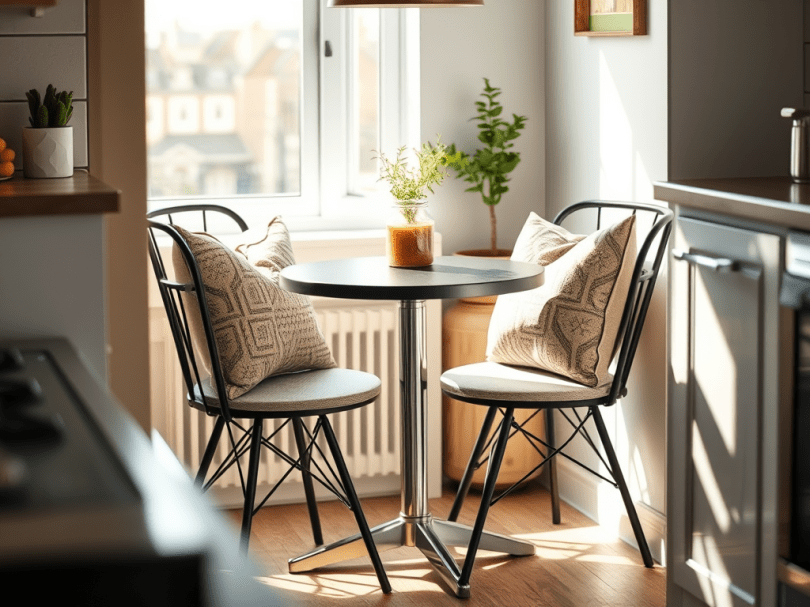
Look around your kitchen. Is there an empty corner or a small nook? Even the tiniest space can become a cozy dining spot. Consider a small bistro table and chairs, or a corner bench with a rectangular table. Adding cushions and decor will help define the area and make it inviting.

2. Multifunctional Furniture

Invest in a drop-leaf table or an extendable dining table that can double as extra counter space or a work area when not in use. Foldable chairs can be tucked away to save space and brought out when it’s time for a meal.

3. Maximize Your Living Room

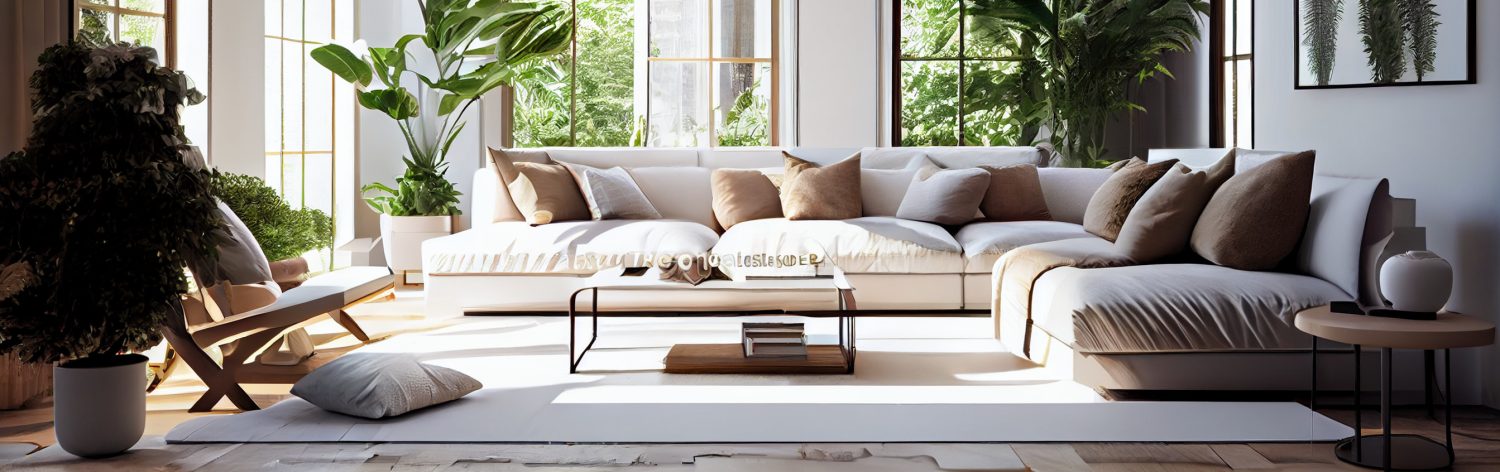
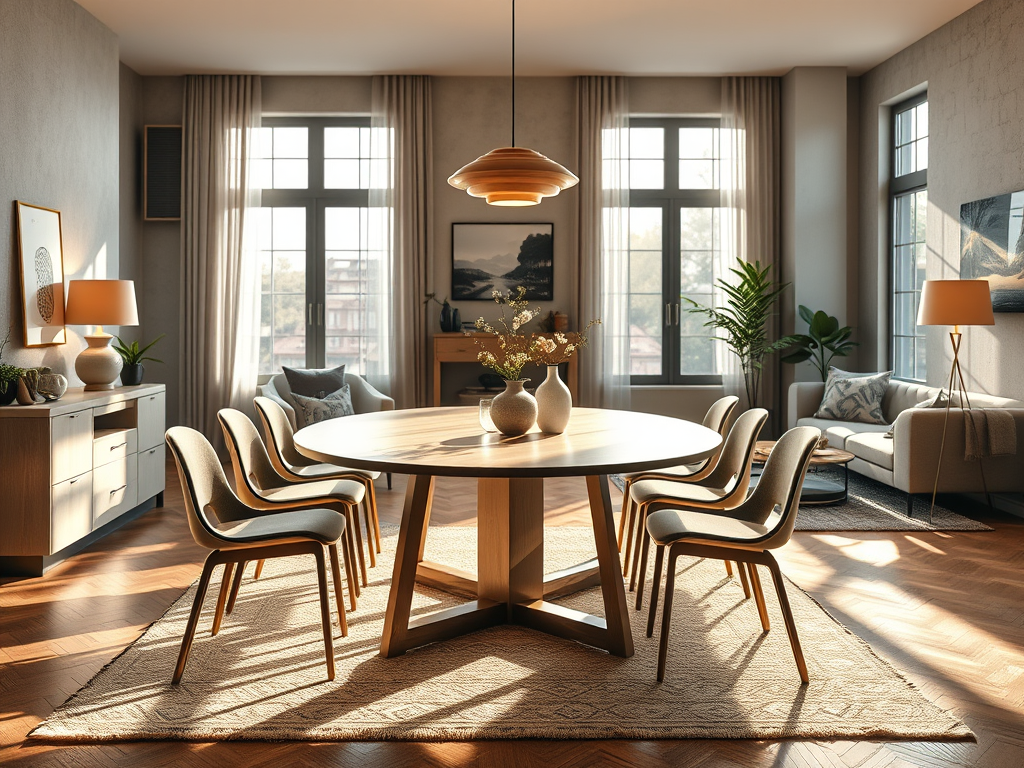
If your living room is spacious enough, designate one corner for dining. A round table can soften the area, and a rug underneath will anchor the space, making it feel intentional rather than accidental. Use a pendant light or a floor lamp above the table to add further definition.

4. Breakfast Bar or Island Seating

If you have a kitchen island or counter, add bar stools to create a casual dining area. This option works well for quick meals or small gatherings. Choose stools that complement your kitchen design to create a cohesive look.

5. Transform a Wall or Alcove

A wall-mounted drop-leaf table can be folded down when needed and stored flat when not in use. Alternatively, turn a built-in alcove or unused wall space into a dining zone by adding a small table and a bench. Shelving above can serve as storage for dishes or decor.

6. Use Room Dividers

Create a subtle separation between your dining area and other parts of your home using a stylish room divider, bookshelf, or curtain. This can give the illusion of a designated dining space without requiring extra square footage.

7. Balcony or Outdoor Dining

If you have a balcony or patio, take advantage of the outdoor space. A small outdoor dining set can be a charming solution for meals, especially during warmer months. String lights or potted plants can enhance the ambiance.

8. Blend with Existing Furniture

Incorporate your dining area into your existing furniture layout. A coffee table that raises into a dining table or a console table that expands can serve multiple functions while saving space.

9. Floating Shelves and Compact Storage

Utilize vertical space by installing floating shelves for plates, glasses, and other dining essentials. This keeps your dining area functional and organized without taking up valuable floor space.
Final Thoughts

Creating a dining space without a dedicated dining room requires a blend of functionality and design. By repurposing existing spaces, investing in versatile furniture, and using creative layouts, you can enjoy meals comfortably and stylishly, no matter the size of your home.

Choosing Cabinet Colors: How to Use Color to Make Your Kitchen Stand Out

Your kitchen cabinets are more than just functional storage spaces; they are an essential part of your kitchen’s overall design. The color you choose for your cabinets can dramatically change the look and feel of your kitchen, transforming it from ordinary to extraordinary. But how do you decide which color is right for you? Should you follow the latest trends, or should you step outside the box and create a unique, personalized look?

1. Understanding the Power of Color

Color has the ability to influence mood and perception. Light colors can make a kitchen feel bright and open, while darker tones add depth and sophistication. Bold colors can energize the space, and soft pastels can create a calming atmosphere. Choosing the right cabinet color is about balancing your personal style with the ambiance you want to cultivate.

  • Bright Whites and Neutrals – A timeless choice that never goes out of style. White or light gray cabinets give the kitchen a clean, fresh feel and work well with almost any design style.
  • Bold and Vibrant Hues – Rich blues, deep greens, or even bright yellows can bring personality to your kitchen. These colors make a statement and can serve as a focal point.
  • Earthy Tones – Olive greens, warm taupes, and soft terracottas bring a sense of warmth and connection to nature.
  • Two-Tone Cabinets – Mixing colors, such as white upper cabinets with navy lower cabinets, adds contrast and visual interest.

2. Trends to Watch

Kitchen cabinet color trends are constantly evolving, and staying up to date can breathe new life into your space. Here are some of the hottest trends right now:

  • Deep Greens and Blues – Shades inspired by nature are making a splash, adding richness and tranquility to kitchens.
  • Matte Finishes – Glossy cabinets are being replaced by matte finishes, which give a more understated and modern appearance.
  • Natural Wood with Color Accents – Pairing natural wood cabinets with painted accent pieces, like islands or pantry doors, is on the rise.
  • Black and Charcoal – Dark, moody kitchens with black or charcoal cabinets exude elegance and drama.

3. Tips and Tricks to Individualize Your Kitchen

If you want to create a one-of-a-kind kitchen, consider these tips:

  • Mix and Match – Don’t be afraid to mix multiple colors in your kitchen. Try combining a neutral base with a bold accent color for the island.
  • Add Personal Touches – Incorporate cabinet hardware in unique shapes or finishes to add personality.
  • Custom Colors – Choose a custom cabinet color that reflects your favorite shade, even if it’s not typical for kitchens.
  • Open Shelving – Paint the backs of open shelves in a contrasting color to add a pop of vibrancy.
  • Incorporate Patterns – Use patterned wallpaper or textured panels inside glass cabinet doors for a subtle yet striking effect.

4. Coordinating with the Rest of Your Kitchen

When choosing cabinet colors, consider how they will complement the other elements in your kitchen, such as countertops, backsplashes, and flooring.

  • Contrasting Countertops – Dark cabinets with light countertops create a striking balance, while light cabinets paired with dark countertops can add a grounding element.
  • Matching Appliances and Fixtures – Coordinating your cabinet color with your appliances or hardware can create a cohesive look.
  • Accentuating Features – Use cabinet color to draw attention to specific features, like an island or a pantry wall, by painting them in a contrasting shade.

5. Test Before You Commit

Paint samples can look different under various lighting conditions. Test a few colors by painting small swatches on your cabinets and observing them throughout the day. This will help you visualize the final result and ensure you love the color before making a full commitment.

6. Making the Final Decision

Ultimately, the best cabinet color for your kitchen is one that you love and feel comfortable living with every day. Whether you choose to follow the latest trends or pave your own path, let your personality shine through your color choices. After all, the kitchen is the heart of the home—make it a space that reflects who you are.

Conclusion

Choosing the right cabinet color is one of the most important design decisions you can make for your kitchen. It sets the tone for the entire space and can influence how you feel each time you step inside. By carefully considering trends, coordinating with the rest of your kitchen, and adding personal touches, you create a space that is both stylish and unique to you. The goal is to craft a kitchen that not only stands out visually but also feels inviting and timeless. With the right color choices, your kitchen can become a place of inspiration, gathering, and warmth that you will cherish for years to come.

How to Find the Perfect Comforter Set to Match Your Bedroom Decor

Your bedroom is your personal sanctuary, and one of the easiest ways to transform its look and feel is by updating your bedding. Comforter sets are often a go-to for many homeowners because they offer convenience, cohesive design, and a quick way to refresh a room. But is a comforter set the best choice for your space, or should you opt for individual pieces to craft a unique look? Here’s a breakdown to help you decide.

Why Choose a Comforter Set?

A comforter set typically includes a comforter, pillow shams, and sometimes matching sheets, bed skirts, or decorative pillows. The biggest advantage of buying a set is simplicity. Everything is designed to coordinate, saving you time and effort.

Pros of Comforter Sets:

  • Time-Saving: No need to hunt for matching pieces.
  • Cohesive Design: Provides a well-matched, put-together look.
  • Cost-Effective: Sets can often be more affordable than buying each piece individually.
  • Seasonal Updates: Easy to switch out as seasons change.

Cons of Comforter Sets:

  • Limited Personalization: Designs are pre-determined, leaving little room for mixing and matching.
  • Quality Variability: Sometimes, sets prioritize aesthetics over durability.

When to Buy Individual Pieces

For those who love curating a one-of-a-kind space, buying individual bedding pieces allows more creativity and flexibility. You can mix textures, patterns, and colors that reflect your personal style.

Pros of Individual Pieces:

  • Customization: Choose colors and textures that match your unique taste.
  • Higher Quality: Focus on quality by selecting items from different brands.
  • Layering Opportunities: Experiment with layering throws, quilts, and decorative pillows for added depth.

Cons of Individual Pieces:

  • Time-Consuming: Finding matching or complementary pieces takes time.
  • Higher Cost: Purchasing items separately can add up quickly.

How to Choose the Right Comforter Set for Your Room

  1. Consider Your Room’s Existing Color Palette: Stick to hues that complement your walls, furniture, and decor. If your room is neutral, opt for bold or patterned comforters to add interest. Alternatively, if your space already has vibrant decor, a simple, solid-colored comforter can provide balance.
  2. Think About Texture: Velvet, cotton, linen, or faux fur? Textures add depth to a bedroom, so consider the feel you want to achieve.
  3. Seasonality Matters: Lightweight comforters work well for summer, while plush, down-filled sets are perfect for winter.
  4. Size and Fit: Ensure the comforter fits your bed size perfectly. An oversized comforter can create a luxurious, cozy look.
  5. Maintenance and Durability: Check care labels. Some comforters require dry cleaning, while others are machine-washable.

Styling Tips for Bedding

  • Layering is Key: Use a base comforter or duvet and add layers with throws and decorative pillows for a cozy, luxurious feel.
  • Mix and Match Patterns: Don’t be afraid to combine florals, stripes, and solids. Just keep the color scheme cohesive.
  • Add Texture: Incorporate different materials like knit throws, silk pillowcases, and faux fur accents to add visual interest.
  • Focus on a Statement Piece: Use your comforter as the focal point of the bed and style around it with neutral or complementary pillows and sheets.
  • Coordinate with Room Decor: Match your bedding with elements like curtains, rugs, or wall art to create a seamless design.
  • Seasonal Swaps: Rotate lighter, airy comforters for summer and heavier, plush options for winter to keep your room seasonally appropriate.

Mixing and Matching: The Best of Both Worlds

If you can’t decide between a set and individual pieces, consider using a comforter set as a base and layering additional elements. A plain comforter set can be elevated with decorative throws and unique pillows, creating a customized yet cohesive design.

Final Thoughts

Comforter sets are an easy, cost-effective way to refresh your bedroom, but buying individual pieces allows for greater personalization. Whether you lean toward convenience or creativity, the key is to choose pieces that reflect your personal style while complementing the overall aesthetic of your bedroom.

What’s your preferred approach—comforter sets or hand-picked bedding? Share your thoughts in the comments below!

Are Sound Machines Worth It? A Guide to Sleep, Style, and Serenity

If you’ve ever found yourself tossing and turning at night, you’re not alone. Millions of people experience difficulty falling asleep or staying asleep. Enter sound machines – the unsung heroes of restful nights. But are they worth adding to your bedroom? Let’s explore the benefits, aesthetics, and top-rated sound machines that could elevate both your sleep and your decor.

The Benefits of Sound Machines for Sleep

Sound machines produce soothing background noises, often referred to as white noise, pink noise, or nature sounds. This steady hum can mask disruptive external sounds, helping to create a calm environment for sleep. They’re especially beneficial for light sleepers, individuals living in noisy urban areas, and even babies.

Studies have shown that white noise can improve sleep quality by helping people fall asleep faster and stay asleep longer. Many users also report feeling more refreshed in the morning.

Key Benefits:

  • Blocks distractions: Masks snoring, outside traffic, and other disruptive noises.
  • Promotes relaxation: Creates a tranquil ambiance that encourages sleep.
  • Improves focus: Can also be used during the day to enhance concentration.

Stylish Sound Machines for Design Lovers

For home enthusiasts who prioritize aesthetics, the idea of adding a clunky device to a thoughtfully curated bedroom may raise eyebrows. Luckily, modern sound machines have evolved to fit seamlessly into stylish spaces.

Here are some chic options that blend functionality with design:

  1. Hatch Restore
    Why it’s great: The Hatch Restore doubles as a sunrise alarm clock and reading light, featuring customizable soundscapes and a sleek, minimalist design. Its soft fabric exterior complements contemporary or Scandinavian-style bedrooms.
    Customer Review: “I love how this fits right into my nightstand setup. The light is soft and the sounds are perfect for winding down.” – Emily R.
  2. Yogasleep Dohm Classic
    Why it’s great: A cult favorite, the Dohm Classic offers a fan-based white noise experience in a compact, simple design. Available in neutral tones, it fits into various decor styles without standing out.
    Customer Review: “I’ve used the Dohm for years, and it’s never failed me. It’s like a gentle breeze at night.” – Mark T.
  3. LectroFan Evo
    Why it’s great: This sound machine boasts 22 unique sounds, including white noise, fan sounds, and ocean waves. Its modern, matte black finish makes it a subtle addition to sleek or industrial-style bedrooms.
    Customer Review: “It’s small but mighty. I keep it on my dresser, and it blends in perfectly.” – Jasmine L.
  4. SNOOZ Smart White Noise Machine
    Why it’s great: This compact, app-controlled sound machine features real fan sounds without the bulk. Its simple design and soft, neutral colors make it an easy match for minimalist decor.
    Customer Review: “The app control is a game-changer, and the design is sleek. Highly recommend.” – David P.

Are Sound Machines Right for You?

If you find yourself struggling to sleep or stay asleep, a sound machine could be the missing piece of your nightly routine. Whether you need to drown out noisy neighbors or simply crave a calming bedtime ritual, sound machines offer a simple yet effective solution.

Plus, with so many stylish options available, you don’t have to sacrifice aesthetics for functionality. Consider adding one to your bedroom – your sleep (and your decor) will thank you.

Have you tried a sound machine? Share your experiences in the comments!

Finding the Right Night Light for Your Child’s Bedroom: Comfort, Safety, and Sweet Dreams

Finding the Right Night Light for Your Child’s Bedroom: Comfort, Safety, and Sweet Dreams

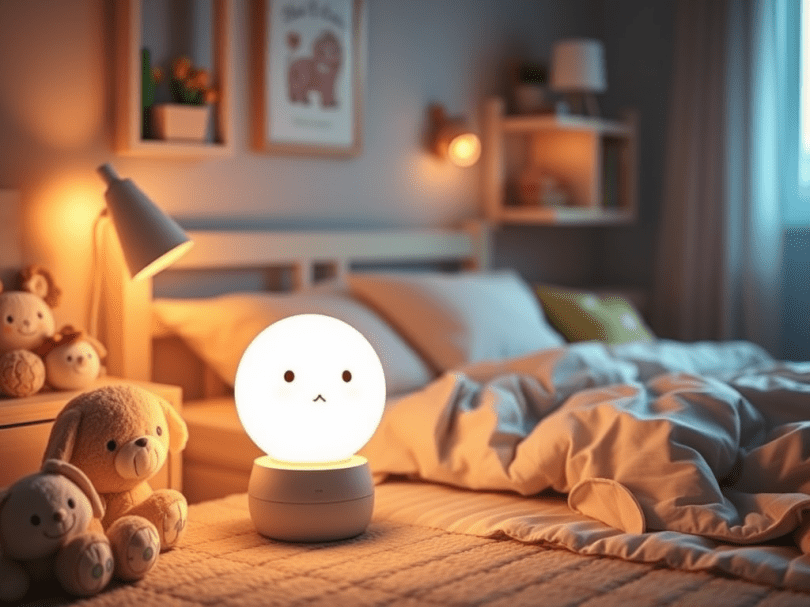
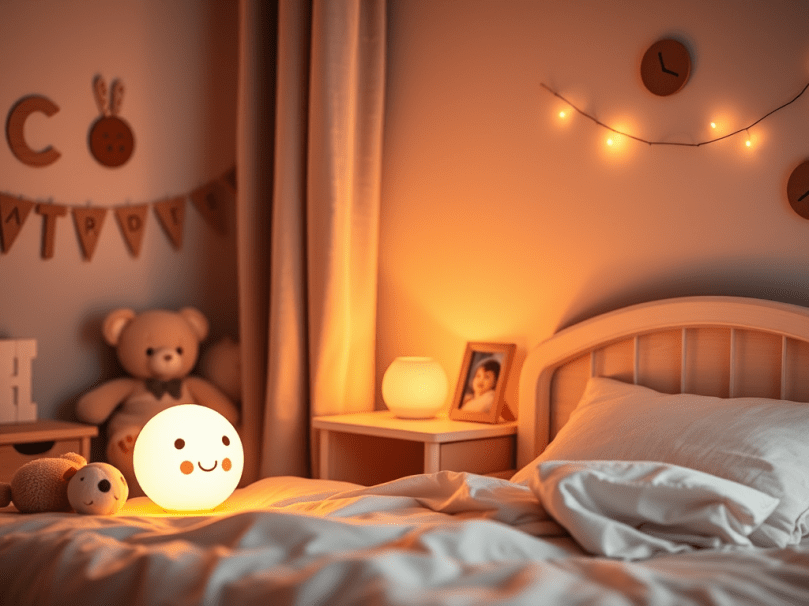
A night light can be more than just a soft glow in your child’s room—it can be a source of comfort, security, and even an essential part of their bedtime routine. For children who are afraid of the dark, the right night light can ease anxiety and promote restful sleep. But with so many options on the market, how do you find the perfect one? Let’s explore the best night lights, customer experiences, and tips for keeping your child’s bedroom safe and serene.

Why a Night Light Matters

Children who experience fear of the dark often find solace in even the faintest light. Night lights can:

  • Reduce anxiety by providing a soft glow
  • Help parents check on their children without disturbing them
  • Provide enough illumination for midnight bathroom trips
  • Create a cozy, calming environment

Tips for Parents

  1. Involve Your Child: Let your child pick the night light. It can help them feel more in control of their bedtime routine.
  2. Create a Bedtime Ritual: Combine the night light with a calming bedtime story or lullaby.
  3. Position Wisely: Place the light in a spot that’s visible but not too close to their bed.
  4. Check for Hazards: Keep cords tucked away and avoid lights that get too hot.

Why a Night Light Matters

Children who experience fear of the dark often find solace in even the faintest light. Night lights can:

  • Reduce anxiety by providing a soft glow
  • Help parents check on their children without disturbing them
  • Provide enough illumination for midnight bathroom trips
  • Create a cozy, calming environment

What to Look for in a Night Light

When shopping for a night light, consider the following:

1. Adjustable Brightness: Choose a light with dimming features to control brightness as needed.

2. Timer Function: A timer allows the light to turn off after your child falls asleep.

3. Soft Light Color: Warm tones like yellow or orange are less likely to disrupt sleep compared to blue or white light.

4. Fun Designs: Animals, stars, or characters your child loves can make the light feel more personal and inviting.

5. Safety Features: Ensure the light is cool to the touch, shatterproof, and free from choking hazards.

Top Night Light Recommendations

1. Hatch Rest+ Baby Sound Machine and Night Light
Customer Review: “This light is a lifesaver! It has customizable colors, sounds, and a timer. My daughter loves choosing the color each night, and the soft glow helps her feel safe.”
Why It’s Great: Combines a sound machine and light, perfect for babies and young children.

2. VAVA Home Night Light
Customer Review: “I love the soft silicone cover. It’s easy for my toddler to carry around, and the dimmable light is perfect for bedtime stories.”
Why It’s Great: Portable, durable, and safe for little hands.

3. Munchkin Light My Way Nightlight
Customer Review: “Simple and effective. My son adores the owl shape, and the auto-shutoff after 20 minutes saves battery life.”
Why It’s Great: Battery-operated, with a kid-friendly design.

Keeping Your Child Safe at Night

Aside from the right night light, ensuring your child’s bedroom is safe contributes to peace of mind.

  • Secure Furniture: Anchor heavy furniture to the wall to prevent tipping.
  • Clear Pathways: Avoid clutter on the floor to prevent trips and falls.
  • Window Safety: Use window guards or locks to prevent accidents.
  • Smoke Detectors: Ensure smoke detectors are installed and functional.

Final Thoughts

The right night light can transform your child’s room into a safe haven that fosters peaceful sleep and reduces nighttime fears. By choosing a light that fits your child’s personality and needs, you’re not just brightening their room—you’re brightening their sense of security and well-being. A night light can be more than just a soft glow in your child’s room—it can be a source of comfort, security, and even an essential part of their bedtime routine. For children who are afraid of the dark, the right night light can ease anxiety and promote restful sleep. But with so many options on the market, how do you find the perfect one? Let’s explore the best night lights, customer experiences, and tips for keeping your child’s bedroom safe and serene.