
What Does the Color of Your Front Door Say About Your Home?

The front door is often the first impression someone has of your home. It’s a small yet powerful element of curb appeal that can express personality, style, and even hint at the energy inside. But how do you choose the right color for your door, and does it really say something about you and your home?

The Psychology of Door Colors

Colors evoke emotions and can influence perceptions. This extends to your front door, where the choice of color might be telling more about your home than you realize. Here’s a look at common door colors and what they could signify:

  • Red – Bold, inviting, and energetic. A red door is often associated with warmth and hospitality. Historically, in some cultures, a red door signaled a safe place to rest.
  • Blue – Calm, trustworthy, and serene. A blue door often gives off a feeling of peace and tranquility, suggesting a relaxing environment inside.
  • Yellow – Cheerful, bright, and welcoming. A yellow door is lively and hints at a vibrant and creative household.
  • Black – Sophisticated, timeless, and elegant. Black doors suggest power and formality, signaling a structured and classic home.
  • Green – Balanced, natural, and harmonious. Green symbolizes growth and stability, often reflecting a connection to nature.
  • White – Clean, simple, and pure. White doors reflect minimalism and orderliness.
  • Gray – Subtle, balanced, and neutral. Gray doors suggest practicality and understated elegance.

How to Choose the Right Color for Your Door

Choosing the right color for your front door depends on several factors, including your home’s architecture, your personal style, and the surrounding environment. Here are some tips to help you decide:

  1. Consider Your Home’s Exterior – Take a look at the color palette of your home’s exterior. Choose a door color that complements or contrasts it in a pleasing way. For example, a dark door can stand out beautifully against a light-colored facade.
  2. Reflect Your Personality – Your front door can be a reflection of your personal style. If you enjoy bold choices, go for vibrant colors like red or yellow. For a more traditional look, opt for neutral tones like black or gray.
  3. Think About Your Neighborhood – Consider the surrounding homes and neighborhood aesthetic. While you want your home to stand out, you also want it to fit into the overall look of the area.
  4. Seasonal and Regional Influences – If you live in a coastal area, lighter and brighter tones may feel more fitting. In colder climates, darker and warmer hues might provide a cozy feel.
  5. Test the Waters – Don’t be afraid to test out a few swatches before committing. Paint a small section of the door and observe how the color looks at different times of the day.

Final Thoughts

The color of your front door is more than just a design choice – it’s a statement. Whether you’re looking to create a bold entrance or a subtle, calming facade, the right door color can add charm, personality, and value to your home. Take the time to explore your options, and don’t be afraid to let your door make a statement that reflects who you are.
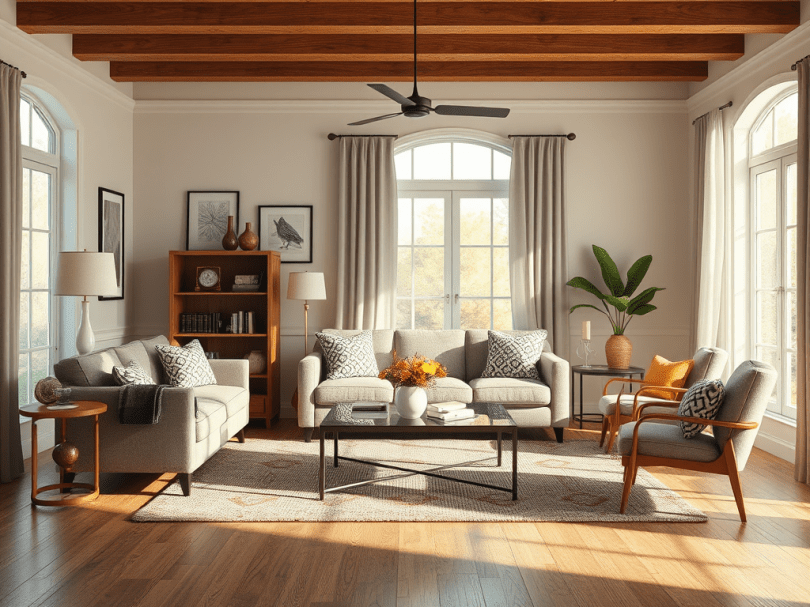
Are Furniture Sets a Thing of the Past?

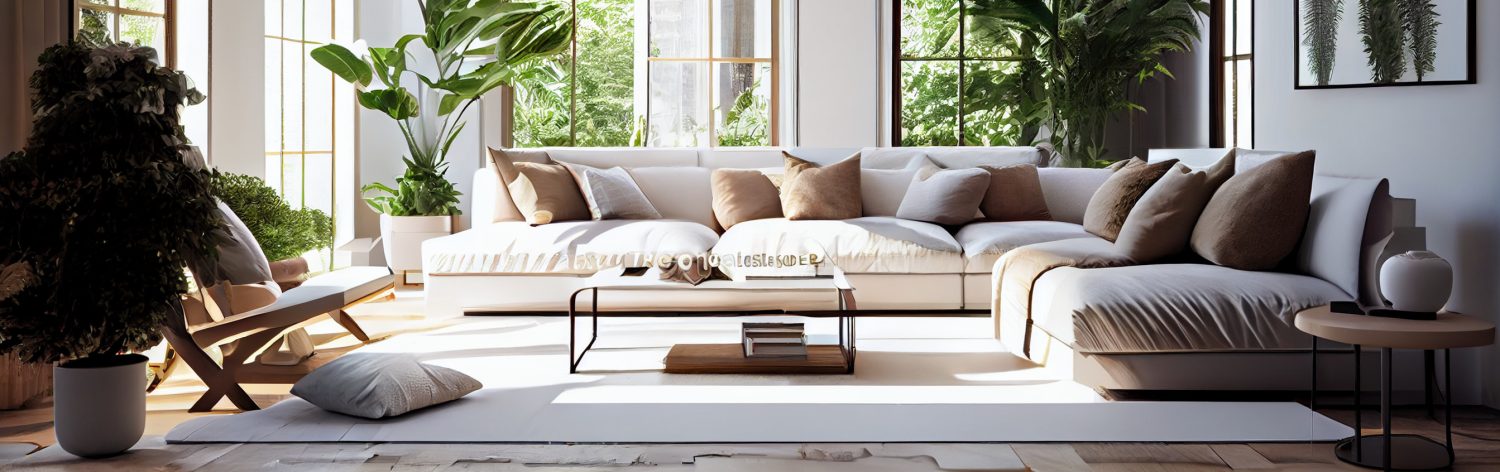
Furniture sets used to be the standard for decorating a room. Matching sofas, coffee tables, and chairs created a cohesive look that felt polished and complete. However, with the rise of eclectic design and personal expression in home decor, many homeowners are beginning to question whether buying furniture sets is still the best route.

Are People Still Buying Furniture Sets?

The short answer is: yes, but not as often. While some people still prefer the convenience and uniformity of a furniture set, the trend is shifting towards purchasing individual pieces that reflect personal style and adapt to changing needs. Many retailers still offer furniture sets, especially for dining rooms and bedrooms, but shoppers are becoming more selective.

Pros and Cons of Buying Furniture Sets

Pros:

  • Cohesive Look: Furniture sets are designed to match, ensuring that everything fits together seamlessly.
  • Time-Saving: Buying a full set can eliminate the hassle of searching for individual pieces.
  • Cost-Effective: Purchasing a set is often more affordable than buying items separately.
  • Availability: Sets are widely available at major furniture stores and online retailers.

Cons:

  • Lack of Personality: Furniture sets can sometimes feel generic or uninspired.
  • Limited Flexibility: Sets may not fit unique room layouts or evolving design preferences.
  • Overly Matching: Too much uniformity can make a room feel stale and predictable.
  • Replacement Challenges: If a piece from the set is damaged, finding an exact match can be difficult.

Trends in Furniture Buying

Current trends show a move towards mixing and matching furniture pieces to create a curated, layered look. Homeowners are blending vintage finds with modern designs, and incorporating one-of-a-kind statement pieces. This eclectic approach allows for more personalization and can result in a space that feels more authentic and inviting.

Additionally, sustainability is playing a role in this shift. People are more interested in repurposing and reimagining furniture rather than purchasing entire new sets. Second-hand markets and upcycling projects are gaining popularity, allowing for unique, eco-friendly decor solutions.

Should You Buy Individual Pieces or Sets?

The answer depends on your design goals and lifestyle. If you’re furnishing a new home quickly or prefer a uniform look, a furniture set might be the best option. On the other hand, if you enjoy collecting pieces over time or want to showcase a unique style, buying individual items can offer greater flexibility and creativity.

Ultimately, the best approach may be a blend of both. Start with key foundational pieces, such as a sectional or dining table, and gradually add complementary items to reflect your personality. This way, you can achieve a harmonious balance between structure and individuality in your home.

Shower or Tub: How to Choose What’s Right for Your Bathroom

When redesigning or updating your bathroom, one of the biggest decisions you’ll face is choosing between a shower, a tub, or both. Each option offers unique benefits and potential drawbacks, making the choice dependent on your lifestyle, space, and aesthetic preferences. Here’s a breakdown to help you decide which option best fits your needs.

The Shower: Modern, Efficient, and Space-Saving

Perks of a Shower:

  1. Space Efficiency: Showers generally take up less room, making them ideal for small bathrooms or en-suites.
  2. Accessibility: Walk-in showers are easier to access for individuals with mobility issues, and they can be designed to be wheelchair-friendly.
  3. Quick and Convenient: Showers are perfect for fast-paced lifestyles, allowing for a quick rinse without the time commitment of filling a tub.
  4. Water Efficiency: Showers typically use less water than a full bath, making them an eco-friendly and cost-effective choice.
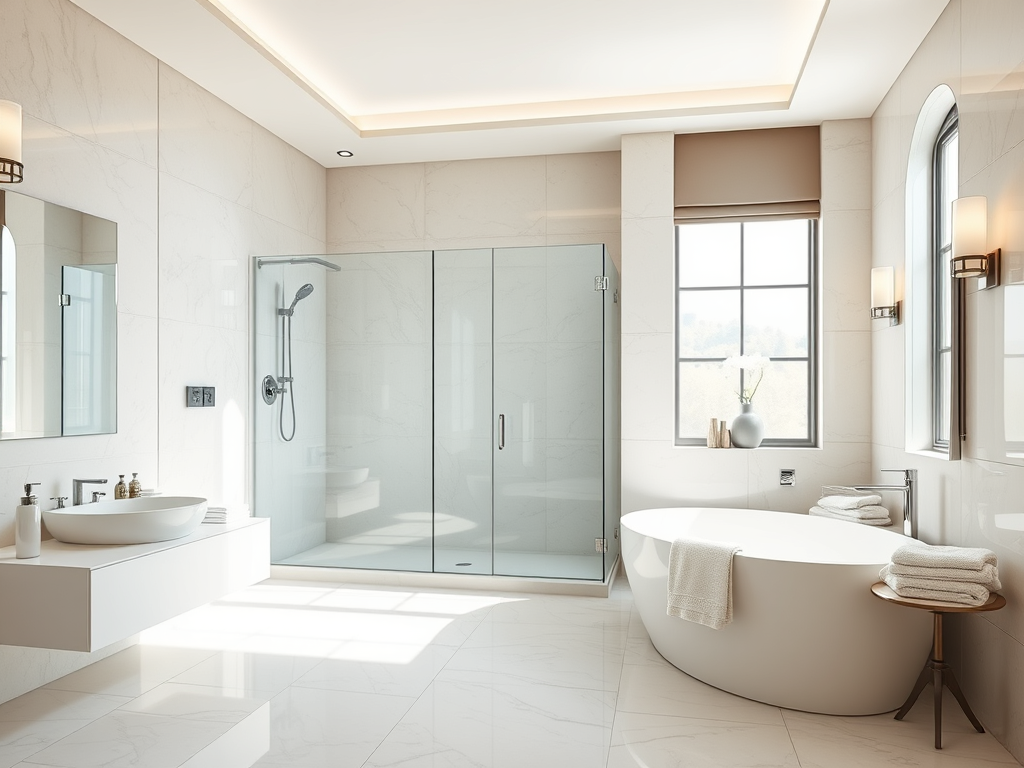
  5. Modern Appeal: A sleek glass-enclosed shower can add a contemporary and luxurious touch to your bathroom.

Design Trends and Product Information:

  • Frameless Glass Showers: Frameless designs continue to be a top trend, offering a clean and minimalist look that makes smaller bathrooms appear larger.
  • Rainfall Showerheads: These oversized showerheads provide a spa-like experience and are popular in luxury bathrooms.
  • Smart Showers: Digital showers with temperature controls and programmable settings are gaining popularity, adding convenience and customization.
  • Tile Choices: Large format tiles, natural stone, and bold patterns are being used to create statement shower walls.

Cons of a Shower:

  1. Relaxation Factor: Showers don’t offer the same level of relaxation as a long soak in the tub.
  2. Child-Friendly Limitations: Bathing young children can be more challenging without a tub.
  3. Resale Considerations: Some buyers may prefer homes with at least one bathtub, especially families with small children.

The Bathtub: Classic Comfort and Style

Perks of a Tub:

  1. Relaxation and Therapy: A warm bath can be therapeutic, helping to relieve stress and muscle aches.
  2. Versatility: Bathtubs are great for both adults and children, making them family-friendly.
  3. Aesthetic Variety: Freestanding tubs can become the centerpiece of a bathroom, adding a touch of elegance and charm.
  4. Increased Home Value: A house with at least one bathtub can be more appealing to potential buyers.

Design Trends and Product Information:

  • Freestanding Tubs: Freestanding tubs are highly sought after for their sculptural beauty and flexibility in placement.
  • Clawfoot Tubs: This vintage style is making a comeback, adding a timeless and classic appeal to bathrooms.
  • Japanese Soaking Tubs: Deeper and more compact, these tubs provide a luxurious soaking experience without taking up much space.
  • Materials: Acrylic and stone resin are popular for their durability and sleek finishes.

Cons of a Tub:

  1. Space Requirements: Tubs require more floor space, which may not be feasible in smaller bathrooms.
  2. Water Usage: Filling a tub uses significantly more water than a shower.
  3. Time Commitment: Baths take more time, which might not align with a busy schedule.
  4. Accessibility Concerns: Stepping in and out of a tub can be difficult for older adults or those with mobility issues.

Why Not Both? The Best of Both Worlds

If space and budget allow, incorporating both a shower and a tub can provide ultimate flexibility. A tub-shower combo offers a practical solution, while separate standalone showers and freestanding tubs cater to different moods and needs. This approach not only maximizes functionality but also enhances the overall luxury and appeal of your bathroom.

Design Trends and Product Information:

  • Tub-Shower Combos: These are increasingly stylish, with glass partitions and tiled surrounds making them feel more modern.
  • Luxury Spa Bathrooms: Homes with ample space are leaning towards designing spa-inspired bathrooms with both freestanding tubs and expansive walk-in showers.
  • Mixed Materials: Combining different materials like glass, metal, and wood elements creates a dynamic and textured aesthetic.

Final Considerations

  • Space: Measure your bathroom carefully and visualize how each option fits.
  • Lifestyle: Consider who will be using the bathroom most often.
  • Budget: A high-end tub or a custom shower can vary significantly in cost.
  • Aesthetics: Choose the option that complements your overall bathroom design.

Ultimately, the choice between a shower, a tub, or both comes down to personal preference, lifestyle, and the overall goals for your bathroom space. Whether you lean towards the efficiency of a shower or the indulgence of a tub, creating a bathroom that suits your needs will ensure satisfaction for years to come.

The Power of Orange: Adding a Bold Yet Balanced Touch to Your Home

Orange is a color often associated with energy, warmth, and creativity. It can invigorate a space, adding personality and vibrance. But is orange a good color to use in your home? Absolutely. When used thoughtfully, orange can transform a room from bland to bold without overpowering the senses. Let’s dive into how you can incorporate this lively color in your home decor.

Why Choose Orange?

Orange is unique because it blends the cheerfulness of yellow with the passion of red. It can make spaces feel cozier, brighter, and more inviting. Whether you prefer a subtle peach or a deep burnt orange, the shade you choose can evoke different emotions and atmospheres.

Benefits of Using Orange:
  • Mood Booster: Orange can uplift the spirit and inject positivity.
  • Warmth and Comfort: Soft oranges create a cozy environment.
  • Creative Spark: Bright orange can inspire creativity, making it ideal for studios or workspaces.

How to Use Orange Without Overwhelming Your Space

One concern with orange is its boldness. Here are a few ways to integrate it in moderation, ensuring balance and harmony:

  1. Accent Walls: A single orange accent wall can add warmth to a room without dominating the space. Pair it with neutral colors like white, beige, or gray for balance.
  2. Soft Furnishings: Throw pillows, blankets, or curtains in shades of orange can provide subtle pops of color.
  3. Artwork and Decor: Incorporate orange through artwork, vases, or decorative bowls. These small touches can break up monochromatic spaces.
  4. Rugs and Carpets: An orange area rug can ground a room, adding warmth underfoot while acting as a focal point.
  5. Furniture: Consider an orange armchair or ottoman to create a statement piece without overwhelming the room.

Unexpected Ways to Make Orange Pop

Want to surprise yourself with how versatile orange can be? Here are some unexpected ideas to make orange pop:

  • Front Door Appeal: An orange front door makes a bold first impression and adds curb appeal.
  • Kitchen Accents: Orange bar stools or small appliances can energize the kitchen.
  • Ceilings and Trim: For a creative twist, paint the ceiling a soft orange or use orange trim to frame a space.
  • Mixed Palettes: Pair orange with cool blues, deep greens, or soft pinks for an eclectic, refreshing contrast.

Room-by-Room Orange Inspiration

Looking for room-specific ideas? Here are creative ways to bring orange into different parts of your home:

Living Room:

  • Add an orange statement couch or sectional to serve as a lively centerpiece.
  • Use orange throw pillows, lampshades, or artwork to create small bursts of color without overwhelming the room.

Bedroom:

  • Consider burnt orange or terracotta bedding for a warm, cozy atmosphere.
  • Incorporate an orange accent wall behind the headboard for a bold yet relaxing touch.

Bathroom:

  • Brighten the space with orange towels, shower curtains, or bath mats.
  • Add small orange tiles in a backsplash or as decorative insets to contrast with neutral tones.

Dining Room:

  • Use orange dining chairs or an orange light fixture to create a welcoming, cheerful environment.
  • An orange centerpiece or table runner can add seasonal warmth, especially in autumn.

Home Office:

  • Orange office chairs or desk accessories can boost creativity and energy.
  • Paint one wall orange to inspire productivity and create a dynamic backdrop for virtual meetings.

Children’s Room or Playroom:

  • Bright orange shelves, rugs, or toy bins can create a fun and lively space.
  • Use orange wall decals or murals for a playful yet stylish design.

Final Thoughts

Orange is a dynamic color that can transform your home in exciting ways. The key is balance. Whether you go big with an accent wall or stay subtle with accessories, orange can breathe life into your space, creating an environment that feels both vibrant and welcoming. Don’t shy away from experimenting – sometimes, the boldest choices lead to the most stunning results.

How to Incorporate Picture Frames in Your Home Without Overwhelming the Space

Picture frames are a timeless way to personalize your home, showcasing cherished memories, art, and inspiring quotes. But when not styled thoughtfully, too many frames can create visual clutter. The key is to find a balance that enhances your decor without overwhelming the space. Here’s how you can fill your home with frames while maintaining a cohesive and serene environment.

1. Choose a Unified Theme

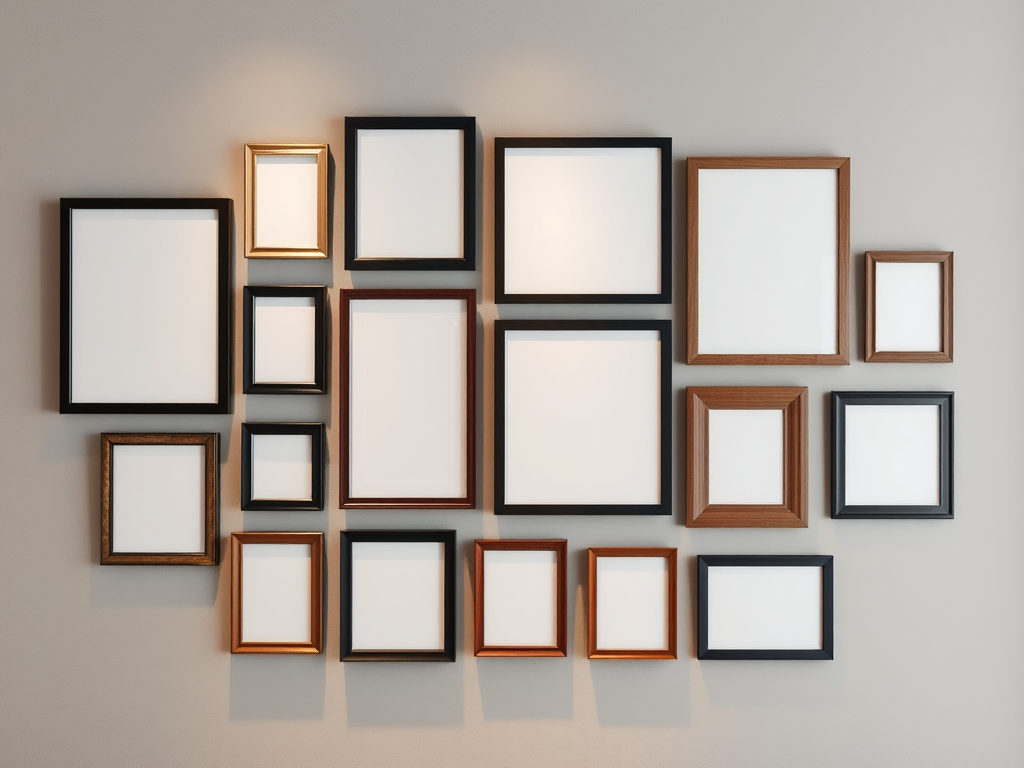
One of the simplest ways to prevent a chaotic look is to select frames that follow a cohesive theme. Whether you prefer sleek black frames, natural wood, or metallic finishes, consistency in color and material creates harmony. Mix in different sizes and orientations, but keep the theme intact to avoid a mismatched appearance.

Tip: Stick to two or three frame colors throughout a room for a curated yet diverse aesthetic.

2. Create a Gallery Wall

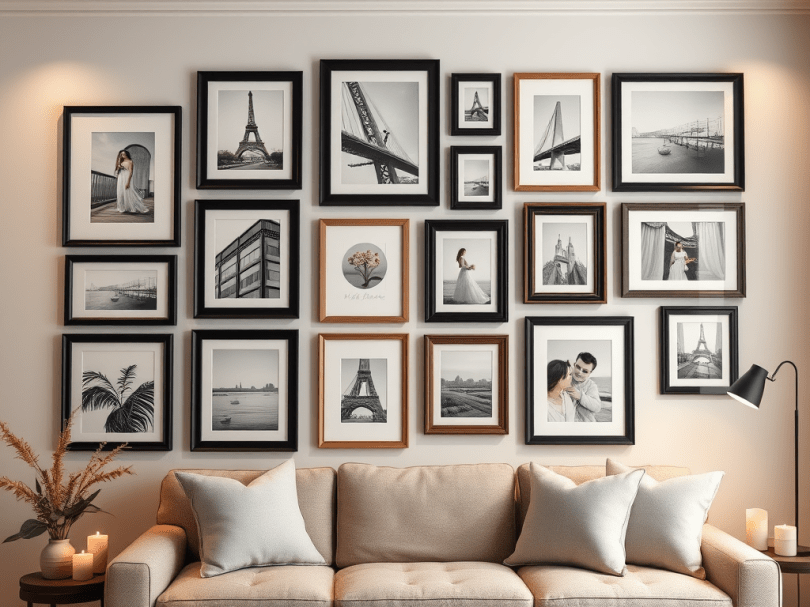
Instead of scattering frames across multiple surfaces, consolidate them into a gallery wall. This method transforms a collection of frames into a single focal point. Lay out your frames on the floor first to determine the best arrangement before hanging them.

Balanced Approach: Mix family photos with art prints or typography for variety. Use different frame sizes but maintain even spacing to ensure a structured look.

3. Layer Frames on Shelves or Mantels

If you prefer a more casual display, lean framed photos against the wall on shelves, mantels, or console tables. Layering frames of varying heights and widths creates depth without cluttering wall space.

Styling Idea: Pair framed photos with decorative objects like candles, vases, or books to create a balanced vignette.

4. Use Grids for Symmetry

A grid layout of identical frames offers a clean, organized aesthetic. This approach is perfect for showcasing black-and-white photography or abstract art. The symmetry of grid-style framing brings order and a sense of calm to a space.

Where to Try It: Consider a grid frame display above the couch, bed, or dining room table.

5. Limit the Number of Surfaces

To avoid overwhelming a room, limit picture frames to certain areas. For example, focus on one or two prominent walls and avoid placing frames on every available surface. This creates intentional displays rather than scattered visuals.

Key Areas to Frame:

  • Entryways
  • Hallways
  • Staircases
  • Bedrooms

6. Mix Frame Sizes and Shapes Thoughtfully

A mix of frame sizes can add visual interest, but too many contrasting shapes can feel chaotic. Aim for a balance by selecting one large statement frame and surrounding it with smaller, complementary frames.

Visual Tip: Use matting inside the frames to add white space around images, creating breathing room and an upscale look.

7. Rotate Displays Seasonally

Keep your decor fresh by rotating framed photos and artwork seasonally. This prevents visual fatigue and allows you to highlight new memories or holiday-themed art throughout the year.

Bonus: Use storage boxes to keep off-season framed photos organized and ready to swap out.

Final Thoughts

Picture frames add warmth and personality to any home, but the secret to avoiding an overwhelming look lies in strategic placement, cohesive styling, and curated displays. By following these tips, you can enjoy the charm of framed memories and art without sacrificing your space’s overall harmony.