
How to Find a Coffee Table That’s Both Functional and Stylish

A coffee table is more than just a place to set your morning cup of coffee or stack your favorite books. It’s a centerpiece that anchors your living room, serving both functional and aesthetic purposes. Whether you’re designing your space from scratch or giving it a refresh, finding a coffee table that’s both stylish and practical can transform your living room into a harmonious and inviting retreat.

Here’s how to choose the perfect coffee table for your home, along with some top recommendations and insights from customer experiences.


1. Consider the Functionality You Need

Before diving into aesthetics, think about how you plan to use your coffee table. Ask yourself:

  • Do you need storage for books, remote controls, or blankets?
  • Will the coffee table double as a workspace or dining surface?
  • Do you have young children or pets that may require rounded edges or durable materials?

Functional Recommendations:

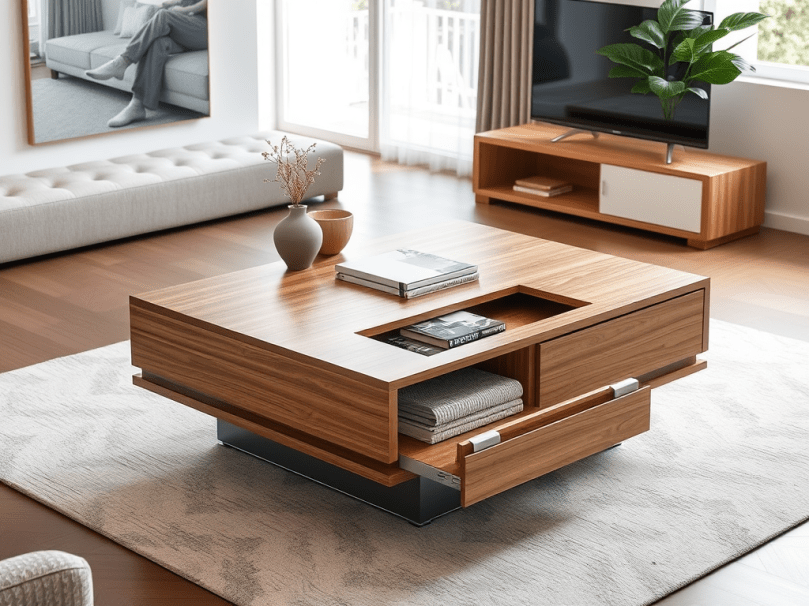
  • Lift-Top Coffee Tables: These are great for those who work from their living room or need extra storage. For example, the Yaheetech Lift-Top Coffee Table offers hidden compartments and a smooth lift-top mechanism. Customers rave about its sturdiness and how it keeps clutter at bay.
  • Ottoman-Style Coffee Tables: If comfort and multi-functionality are your priorities, ottoman coffee tables can act as seating, a footrest, or even hidden storage. The HomePop Round Ottoman Coffee Table is a favorite among families for its soft edges and versatility.

2. Match the Style to Your Space

Your coffee table should complement your room’s overall style while adding a touch of its own flair.

  • For Modern Spaces: Opt for sleek lines and minimal designs. Glass-top tables with metal frames, like the Walker Edison Glass Coffee Table, are perfect for adding an airy, contemporary vibe.
  • For Rustic or Farmhouse Designs: Choose wooden tables with distressed finishes. The Ashley Furniture Bolanburg Coffee Table features a two-tone design and storage options, blending charm and practicality.
  • For Eclectic or Bohemian Looks: Consider bold materials like rattan or unique shapes. The Safavieh Grayson Drum Coffee Table made from mango wood adds character to any space.

3. Think About the Size and Shape

Proportions matter when it comes to coffee tables. A table that’s too big can overwhelm the room, while one that’s too small might feel out of place.

Tips for Choosing the Right Size:

  • The table should be about two-thirds the length of your sofa.
  • The height should be roughly the same as the sofa cushions or slightly lower.

Shape Recommendations:

  • Rectangular Tables: Ideal for longer sofas or sectional arrangements.
  • Round or Oval Tables: Perfect for smaller spaces or rooms with heavy foot traffic. Many parents appreciate the lack of sharp corners, like those on the West Elm Anton Oval Coffee Table.
  • Nesting Tables: These offer flexibility for compact spaces, as they can be spread out or tucked away as needed. Check out the Nathan James Oraa Nesting Tables for a chic and functional option.

4. Explore Materials That Fit Your Lifestyle

The material of your coffee table influences both its durability and visual appeal.

  • Glass: Creates an open feel and is easy to clean but may show fingerprints and scratches.
  • Wood: Offers warmth and sturdiness; ideal for traditional or rustic homes.
  • Metal: Provides a sleek, industrial edge and pairs well with modern decor.
  • Marble or Stone: Adds luxury but can be heavy and prone to staining.

Customer Tip: “We chose a reclaimed wood coffee table to match our rustic living room, and it’s been perfect. The surface hides minor scratches, and it’s incredibly durable,” says one happy reviewer of the Pottery Barn Livingston Coffee Table.


5. Don’t Forget Maintenance

A stylish coffee table should be easy to maintain. Consider your lifestyle when choosing materials and finishes.

  • Families with kids might prefer spill-resistant options.
  • Homes with pets may benefit from scratch-resistant surfaces.
Final Thoughts

The perfect coffee table balances form and function, enhancing your living space while catering to your needs. By considering your lifestyle, room dimensions, and decor style, you can find a table that’s both practical and beautiful.

What’s Your Coffee Table Story?
Have you found the coffee table of your dreams? Share your experiences and recommendations in the comments below—we’d love to hear how your coffee table has transformed your living space!

Choosing the Right Size Bed for Your Space: A Comprehensive Guide

Your bed is the focal point of your bedroom—the place where you relax, recharge, and unwind. But choosing the right size bed isn’t just about comfort; it’s also about ensuring the bed fits seamlessly into your space without overwhelming the room. So, how do you determine which bed size is right for you? This guide will walk you through everything you need to consider to find the perfect fit for your space and lifestyle.

1. Understand Standard Bed Sizes

Before diving into specifics, it’s important to understand the standard bed sizes available:

  • Twin (39” x 75”): Ideal for kids, single sleepers, or small guest rooms.
  • Twin XL (39” x 80”): A bit longer than a twin, perfect for taller individuals.
  • Full (54” x 75”): Great for single adults who want more space or couples who don’t mind snug sleeping quarters.
  • Queen (60” x 80”): The most popular size, fitting for couples or those who enjoy extra room.
  • King (76” x 80”): A luxurious choice for couples, allowing plenty of personal space.
  • California King (72” x 84”): Longer but narrower than a standard king, perfect for taller individuals.

2. Measure Your Space

Accurate measurements are key to finding the right bed size. Follow these steps:

  • Measure the room dimensions: Ensure you have the room’s width and length measured.
  • Consider furniture placement: Factor in bedside tables, dressers, and other furniture.
  • Allow for walking space: Leave at least 2 to 3 feet around the bed for ease of movement.

Pro Tip: Use painter’s tape to outline the bed size on the floor to visualize how it will fit in your space.

3. Assess Your Lifestyle and Sleeping Needs

Your lifestyle plays a crucial role in bed size selection:

  • Do you sleep with a partner? Opt for a queen or larger to ensure both of you have enough space.
  • Do you have pets or children? A king or California king may provide the extra room you need.
  • Do you move around a lot in your sleep? A larger bed can prevent disturbances during the night.

4. Factor in Room Style and Aesthetics

A large bed can dominate a small room, making it feel cramped. Conversely, a small bed in a large room can seem disproportionate. Balance is key:

  • Small bedrooms: Consider a full or queen bed to maintain open space.
  • Spacious master suites: A king or California king can anchor the room beautifully.

5. Storage Considerations

If storage is an issue, consider these options:

  • Platform beds with built-in drawers
  • Beds with under-bed storage bins
  • Lofted beds to maximize floor space

6. Budget Considerations

Larger beds and mattresses generally cost more, not just for the bed itself but for bedding and accessories. Be sure to factor this into your decision.

7. Final Tips

  • Think long-term: If you’re planning on moving, consider how the bed will fit in future spaces.
  • Comfort first: While size is essential, mattress comfort should also be a priority.
  • Test it out: Visit a showroom to try different sizes and get a feel for what suits you best.

Choosing the right size bed doesn’t have to be complicated. By considering room size, lifestyle, and aesthetics, you can find a bed that perfectly fits both your space and your needs. Happy bed hunting!

Choosing the Perfect Bar Stools for Your Breakfast Bar

A breakfast bar can be the focal point of your kitchen, offering a cozy spot for quick meals, morning coffee, or casual conversations. But to truly enjoy the space, you need the right bar stools. The key to selecting the perfect bar stools lies in finding the right height, style, and material that complements your home decor.

How to Find the Right Height for Your Breakfast Bar

One of the most important factors when choosing bar stools is height. A stool that is too tall or too short can make sitting uncomfortable and disrupt the overall look of your breakfast bar. Here’s a quick guide to help you find the right height:

  • Counter Height (24 to 27 inches): Ideal for counters or breakfast bars that are around 36 inches high. This is the standard height for most kitchen counters.
  • Bar Height (28 to 32 inches): Perfect for bar tops that are approximately 40 to 42 inches high. These are typically used in home bars or taller breakfast bars.
  • Extra Tall (33 to 36 inches): Designed for counters over 42 inches, often seen in commercial settings or unique home designs.

Tip: Leave about 9 to 12 inches between the seat of the stool and the underside of the counter for comfortable legroom.

Types of Bar Stools

Bar stools come in a variety of styles and materials, allowing you to choose one that best fits your kitchen’s aesthetic and functional needs. Here are some popular types to consider:

  • Backless Bar Stools: Sleek and minimal, these stools are easy to tuck under the counter when not in use. Ideal for small spaces.
  • Swivel Bar Stools: Provide mobility and flexibility, making them great for social settings.
  • Upholstered Bar Stools: Offer comfort and elegance. These stools often have padded seats and backs, perfect for long sitting periods.
  • Adjustable Height Bar Stools: Versatile and functional, these stools can adapt to different counter heights, making them a great option for families.
  • Armrest Bar Stools: Add a touch of luxury and extra support, enhancing the comfort level for guests.

Top Brand Recommendations

To help narrow down your search, here are some top brands known for their quality, style, and durability:

  1. West Elm – Known for modern and mid-century designs, West Elm offers stylish and sturdy bar stools with high-quality materials.
  2. Article – Article’s contemporary bar stools are sleek, durable, and available in a variety of materials like leather and wood.
  3. Pottery Barn – A go-to for classic and rustic designs, Pottery Barn offers bar stools that blend well with farmhouse and traditional decor.
  4. IKEA – Budget-friendly and practical, IKEA’s bar stools come in various designs that fit modern and minimalist kitchens.
  5. CB2 – For those who love contemporary and edgy designs, CB2 provides bar stools with bold, unique aesthetics.

Final Thoughts

Choosing the right bar stools can transform your breakfast bar into a stylish and functional space. Focus on height, comfort, and style to ensure your stools enhance your kitchen’s look and provide a welcoming atmosphere for family and guests. Happy decorating!

Designing the Perfect Theater Room: TV or Projector, Screen Size, and Stylish Functionality

Creating a home theater room is an exciting project that blends entertainment with interior design. Whether you’re a movie buff, sports fan, or gamer, having a dedicated theater space can transform your home experience. However, one of the most important decisions you’ll face is whether to install a TV or a projector. Additionally, choosing the right screen size and designing a stylish yet functional space are crucial for maximizing comfort and enjoyment.

TV vs. Projector: Which is Right for Your Theater Room?

TV Advantages:

  • Brightness: TVs generally offer better brightness, making them ideal for rooms with ambient light.
  • Ease of Use: TVs are simple to set up and require less maintenance.
  • Resolution: Modern TVs can provide 4K and even 8K resolutions with incredible clarity.
  • Sound: TVs often come with built-in sound systems, reducing the need for additional speakers (though external speakers can enhance the experience).

Projector Advantages:

  • Screen Size: Projectors can display much larger images, which is perfect for creating a true cinematic experience.
  • Cost Efficiency (for Size): Projectors offer more screen real estate for the price compared to larger TVs.
  • Flexibility: Projectors can be ceiling-mounted or placed on shelves, allowing for versatile placement.
  • Immersion: The large image size immerses viewers, replicating the theater experience.

Considerations:

  • Room Size and Lighting: TVs work better in smaller rooms or those with lots of ambient light. Projectors shine in larger, darker rooms.
  • Budget: High-end TVs can get expensive, especially for larger screens. Projectors, combined with retractable screens, might be more cost-effective for large viewing areas.
  • Content Use: If you primarily watch movies, a projector might be your best bet. For casual viewing and gaming, a TV might serve better.

Finding the Right Screen Size

TVs:

  • For TVs, a general rule of thumb is that the screen size (in inches) should be approximately half the distance (in inches) from where you’ll sit. For example, if your seating area is 10 feet (120 inches) away, a 60-inch TV is recommended.

Projectors:

  • With projectors, the sky is the limit. However, a screen size between 100-150 inches is often ideal for a balance between immersion and practicality.
  • Calculate viewing distance using this formula: Viewing Distance (in inches) / 1.5 = Ideal Screen Size. For instance, if you’re sitting 150 inches away, a 100-inch screen is optimal.

Stylish and Functional Design Tips

  1. Comfortable Seating: Choose plush recliners or sectional sofas with cupholders and armrests to create a luxurious feel. Arrange seating in tiers if space allows for a true theater vibe.
  2. Sound System: Install a surround sound system for immersive audio. Wall-mounted or in-ceiling speakers save space and enhance aesthetics.
  3. Lighting Control: Use blackout curtains, dimmable sconces, and LED strip lights for customizable ambiance. Consider smart lighting systems for remote control convenience.
  4. Acoustics: Add acoustic panels or heavy curtains to minimize sound reflection and improve audio quality. Carpeting also helps with sound absorption.
  5. Storage and Decor: Use stylish media consoles or floating shelves to house streaming devices, gaming consoles, and decor. Incorporate movie posters, framed art, or vintage film reels to personalize the space.
  6. Multifunctional Features: Include a minibar or snack station for convenience. Consider a hidden projector screen or retractable TV to maximize space versatility.

A home theater room is more than just a place to watch movies—it’s an experience. By choosing the right screen, designing for comfort, and adding stylish touches, you can create a space that impresses guests and offers endless entertainment.

Prepping Your Home for Snow: Winter Weather Preparation Tips

As winter approaches, snow and freezing temperatures can take a toll on your home if you’re not prepared. Taking the time to winterize your space can prevent costly damage and ensure your home stays warm and cozy throughout the season. Here are some essential tips for preparing your home for snow and harsh winter weather.

1. Inspect and Seal Windows and Doors Drafty windows and doors can make your heating system work overtime. Inspect the seals and caulking around windows and doors, and replace any that show signs of wear. Consider adding weather stripping or thermal curtains for extra insulation.

2. Service Your Heating System Schedule a professional inspection of your furnace or heating system before the cold sets in. Replace filters, check for leaks, and ensure the system is running efficiently. If you use a fireplace, have the chimney cleaned and inspected to prevent fire hazards.

3. Protect Your Pipes Frozen pipes are a common issue during winter, often leading to expensive repairs. Insulate exposed pipes, especially in basements, attics, and exterior walls. Let faucets drip during extreme cold to keep water moving and reduce the risk of freezing.

4. Stock Up on Supplies Prepare for snowstorms by keeping essential supplies on hand. This includes snow shovels, ice melt, sand, and warm blankets. Make sure your emergency kit is stocked with flashlights, batteries, and non-perishable food in case of power outages.

5. Inspect the Roof and Gutters Heavy snow can put stress on your roof. Check for loose shingles or damage and repair as needed. Clear gutters of leaves and debris to prevent ice dams, which can lead to leaks and structural damage.

6. Prepare Outdoor Spaces Bring in or cover outdoor furniture and store garden tools. Drain and shut off exterior faucets to prevent freezing. If you have trees near your home, trim any branches that could break under the weight of snow and ice.

7. Test Safety Devices Winter increases the risk of fire and carbon monoxide poisoning. Test smoke and carbon monoxide detectors, and replace batteries if needed. Keep a fire extinguisher accessible and in good working order.

8. Consider Backup Heat Sources In case of heating failure, having an alternative heat source can be crucial. Consider investing in a portable heater or generator. Be sure to follow safety guidelines to avoid fire or carbon monoxide risks.

9. Create a Snow Removal Plan Make sure you have a reliable snow removal plan in place. Whether you shovel yourself or hire a service, keeping walkways and driveways clear helps prevent accidents and injuries.

By taking these steps to prepare your home for winter weather, you can protect your property, reduce energy costs, and enjoy a warm, stress-free season. Stay safe and cozy this winter!