
TV Trays: The Unsung Heroes of Functional Home Decor

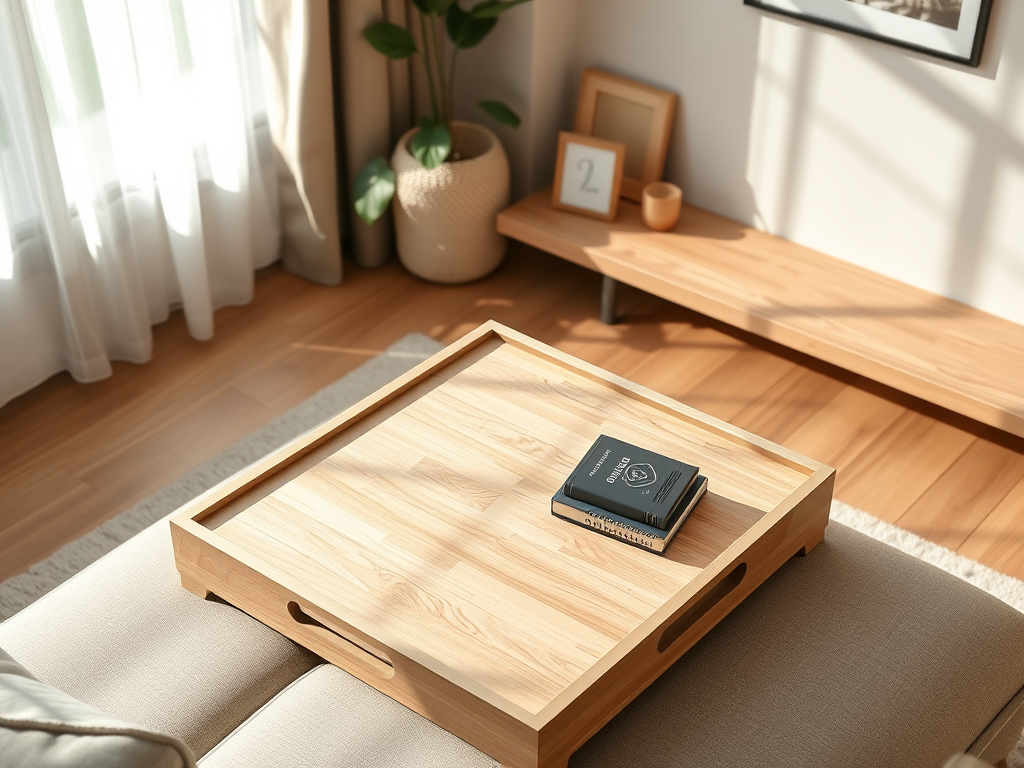
When you hear “TV trays,” you might think of retro, flimsy fold-out tables from decades past. But today, TV trays have evolved into functional and stylish additions to any home. Whether you’re a movie night enthusiast, a multitasking professional, or just someone who loves breakfast in bed, TV trays can be an excellent investment. Let’s explore their functionality, versatility, and some top brand recommendations for sturdy options.

How Functional Are TV Trays?

TV trays are more than just small tables for holding snacks during your favorite shows. Their compact design makes them ideal for numerous purposes, including:

  • Dining: Perfect for enjoying meals without setting the dining table.
  • Work: Use them as makeshift desks for laptops, writing, or reading.
  • Hobbies: Great for crafts, puzzles, or even holding gaming equipment.
  • Entertaining: Provide guests with a convenient surface for drinks and snacks.

Their lightweight nature means you can easily move them around the house, making them a practical solution for temporary surface needs.

Are TV Trays Versatile?

Absolutely! TV trays are among the most versatile pieces of furniture you can own. Here are a few ways to use them:

  1. In the Living Room: Keep one handy as a side table for remote controls, drinks, or snacks.
  2. In the Bedroom: Use them as a bedside table alternative or a breakfast-in-bed station.
  3. For Outdoor Use: Opt for weather-resistant trays to use on patios or balconies.
  4. For Kids: Perfect for children’s activities like coloring, homework, or snack time without a big mess.
  5. For Small Spaces: Ideal for apartments or dorm rooms where space is at a premium.

With a wide variety of designs, from sleek and modern to rustic and foldable, you’re sure to find a style that complements your home.

Where Can You Use TV Trays?

TV trays can be used in virtually any part of your home or even outside. Here are some placement ideas:

  • Living Room: Beside the couch or recliner for convenience.
  • Bedroom: Near the bed for morning coffee or late-night snacks.
  • Kitchen: As an extra prep surface or for casual meals.
  • Office: As a supplementary workspace or document holder.
  • Outdoor Spaces: On patios or balconies for alfresco dining.

Recommended Brands for Sturdy TV Trays

If you’re in the market for durable and stylish TV trays, consider these top-rated options:

  1. Winsome Wood TV Tray Set
    • Features a sturdy wooden construction with a classic finish.
    • Comes in a set of four with a convenient storage rack.
    • Great for families or those who host frequently.
  2. Linon Home Decor Tray Table Set
    • Stylish designs with options like faux marble tops.
    • Durable build and easy to clean.
    • Includes a stand for compact storage.
  3. Amazon Basics Classic TV Tray Set
    • Affordable yet sturdy.
    • Foldable and lightweight, making them easy to store.
    • Available in various finishes to match your decor.
  4. Sauder Multi-Purpose Table
    • Versatile design suitable for dining or working.
    • Made of high-quality engineered wood for durability.
    • Sleek, modern aesthetic.
  5. Table Mate II Pro Folding Tray Table
    • Adjustable height and angle for ultimate versatility.
    • Lightweight but stable, with a built-in cup holder.
    • Ideal for work, meals, or leisure.

Final Thoughts

TV trays may not seem like the most glamorous piece of furniture, but their functionality and versatility make them a must-have for any home. Whether you’re curling up on the couch with a bowl of popcorn or tackling a last-minute work assignment, a sturdy and stylish TV tray can make your life easier. Consider investing in one of the recommended brands for a durable option that suits your style and needs.
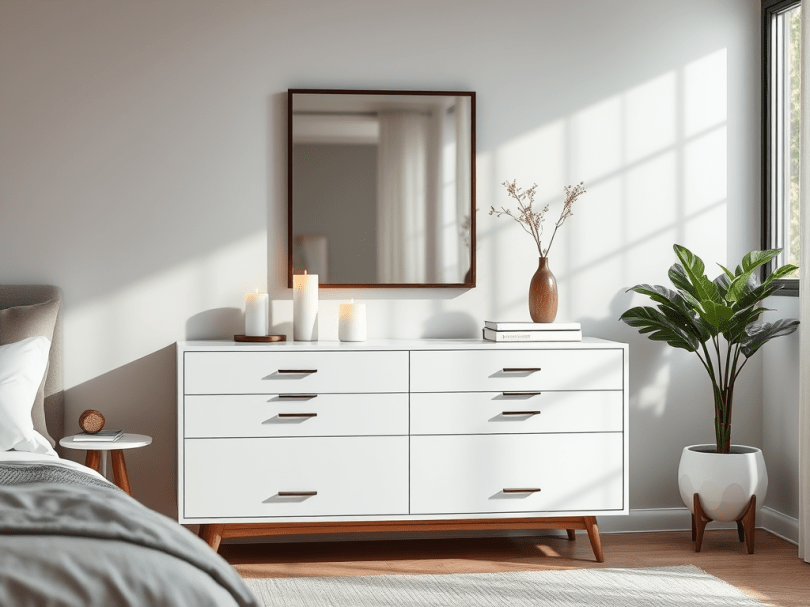
Do People Still Have Bedroom Dressers? Exploring Their Modern-Day Necessity and Multifunctionality

The bedroom dresser has long been a staple of home decor and functionality. But with evolving interior design trends and the rise of minimalist living, some might wonder: Do people still have bedroom dressers? And if they do, are these pieces purely functional, or have they transformed into multifunctional decor essentials? Let’s dive into the role of dressers in today’s bedrooms and explore whether they’re still necessary to complete your room’s style.

The Classic Role of Bedroom Dressers

Traditionally, dressers served as essential storage units for clothing, accessories, and personal items. They were often paired with a mirror, making them a multifunctional spot for both storage and grooming. In many homes, the dresser was not just a practical piece but also a centerpiece of bedroom design, reflecting the owner’s style and taste.

Are Dressers Still Relevant?

The short answer is yes, but their role has evolved. While some homeowners have shifted to built-in closets or open shelving systems, dressers remain a popular choice for many reasons:

  1. Storage Needs: Not everyone has the luxury of a walk-in closet, and even those who do often find dressers essential for organizing smaller items like undergarments, socks, and accessories.
  2. Aesthetic Appeal: Dressers come in a variety of designs, from sleek modern styles to ornate vintage options, making them a versatile element in bedroom decor.
  3. Space Efficiency: For smaller bedrooms, a dresser can serve as both storage and display, maximizing functionality in limited spaces.

Multifunctionality in Modern Dressers

Today’s dressers are more than just storage units. Designers have embraced multifunctionality to meet the needs of contemporary living. Here are some innovative uses for modern dressers:

  • Media Centers: In bedrooms without a separate TV stand, a dresser can double as a media center, providing a stylish base for your television and storage for electronics.
  • Vanity Stations: Adding a mirror and a few organizers can turn your dresser into a chic vanity.
  • Decorative Displays: The top of a dresser offers prime real estate for decorative items like framed photos, candles, vases, or even houseplants.
  • Workspaces: In smaller homes or apartments, a wide dresser can also function as a makeshift desk, especially for those who need a compact work-from-home solution.

Are Dressers Necessary to Complete Your Room’s Style?

While not strictly necessary in every room, dressers often anchor the design of a bedroom. They provide:

  • Balance and Proportion: A well-chosen dresser adds balance to the room’s layout, especially when paired with a bed or other large furniture pieces.
  • Texture and Personality: Materials like wood, metal, or glass can complement your room’s overall aesthetic, whether it’s modern, rustic, or eclectic.
  • Customization Opportunities: Dressers can be easily updated with new hardware, a fresh coat of paint, or even wallpaper accents, making them a flexible design element.

Conclusion: The Timeless Appeal of Bedroom Dressers

Despite changes in home design trends, bedroom dressers remain a relevant and practical piece of furniture. Their ability to combine storage, style, and multifunctionality ensures they’re not going anywhere anytime soon. Whether you’re designing a minimalist retreat or a lavish sanctuary, a dresser can play a pivotal role in completing your bedroom’s look and feel.

So, do people still have bedroom dressers? Absolutely. And with their evolving designs and uses, they’re more versatile than ever. If you’re considering adding or updating a dresser in your bedroom, think about how it can serve both your practical needs and your aesthetic vision. The right dresser can truly elevate your space, proving that this classic piece is far from outdated.

Embracing Your Spouse’s Style: Incorporating Their Favorite Furniture Pieces into Your New Home

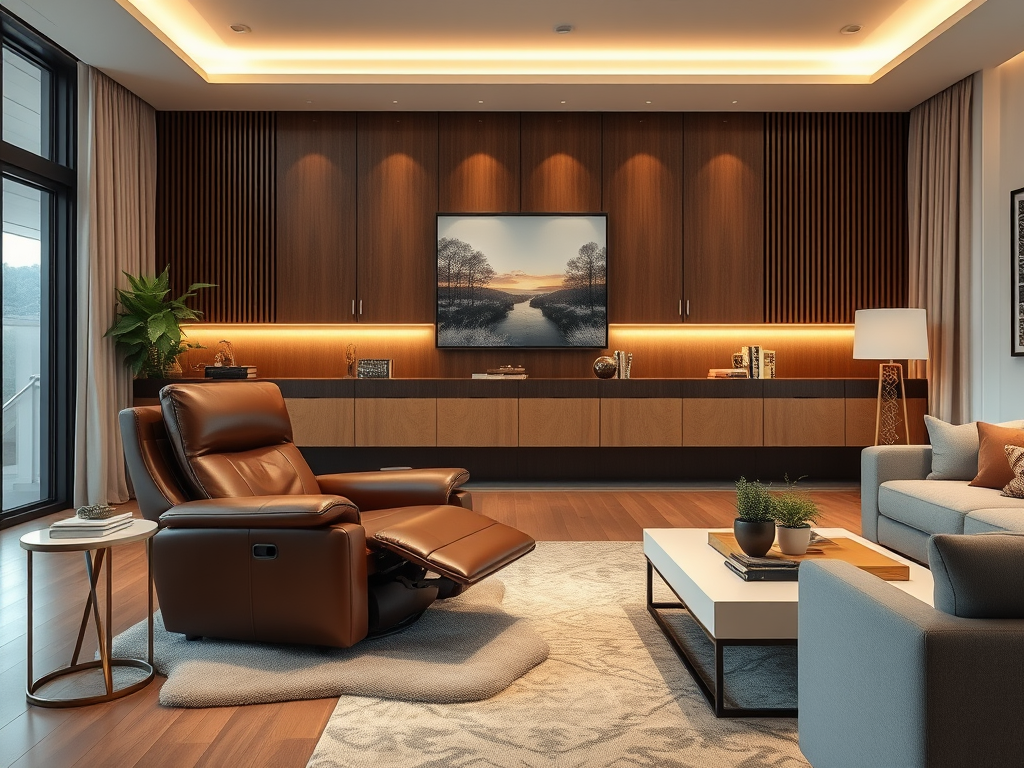
Moving into a new home with your spouse is an exciting milestone, but it often comes with the challenge of blending your unique styles. You might adore minimalist decor, while your partner treasures an oversized leather recliner or a vintage wooden coffee table. Rather than viewing these differences as obstacles, think of them as opportunities to create a home that reflects both of you. Here are some practical tips to help incorporate your spouse’s favorite furniture pieces into your shared space while maintaining a cohesive design.

1. Take Inventory Together

Before deciding what stays and what goes, go through all your furniture pieces together. Discuss the sentimental value or functional importance of each item. This will help you understand why certain pieces are non-negotiable for your spouse. For instance, that antique rocking chair might have belonged to their grandmother, or the bright yellow ottoman might hold memories of their first apartment.

2. Find a Common Theme

Once you know what furniture pieces are important, identify a common design theme that can unify your styles. This could be a shared color palette, material preference (like wood or metal), or a design era (e.g., mid-century modern, industrial, or farmhouse chic). Incorporating these elements can help disparate pieces feel intentional rather than mismatched.

3. Prioritize Functionality

Functionality should always come first when designing your home. If your spouse’s furniture is practical and serves a purpose, it’s easier to justify its place in your space. For example, a bulky but comfortable armchair might become the go-to spot for movie nights or a well-loved bookshelf could house your combined book collection.

4. Blend Old with New

Mixing your furniture with your spouse’s doesn’t mean you have to compromise on style. Pair older, sentimental pieces with modern accents to create balance. A vintage coffee table can look stunning alongside a sleek sofa, or a bold, patterned armchair can pop in a neutral-toned room. Accessories like throw pillows, rugs, and wall art can also help tie different styles together.

5. Get Creative with Placement

If you’re struggling to make a particular piece fit the main living areas, consider placing it in a less central part of the home. That oversized recliner could find a cozy spot in a reading nook or a home office. By assigning sentimental pieces their own space, you can honor your spouse’s preferences without overwhelming shared areas.

6. Use Decorative Storage Solutions

For smaller or more eclectic furniture items, decorative storage can help integrate them seamlessly. For example, a mismatched side table can be repurposed as a bedside table with the addition of a chic lamp or stacked books. Decorative baskets or bins can add practicality and style to quirky pieces.

7. Make It a Collaborative Effort

The key to blending furniture styles is open communication and compromise. Work together to arrange and rearrange the space until you’re both happy. Involving your spouse in the process will make them feel valued and invested in creating a home that suits both of you.

8. Embrace the Story

Every piece of furniture has a story, and combining your collections creates a unique narrative for your new home. That mix of styles, textures, and colors is a reflection of your journey as a couple. Celebrate the quirks and imperfections—they make your space truly yours.

Conclusion

Incorporating your spouse’s favorite furniture pieces into your new home doesn’t have to mean sacrificing style or comfort. With a little creativity, compromise, and a shared vision, you can design a space that feels like home to both of you. Remember, the ultimate goal isn’t perfection—it’s creating a space that reflects your love and shared life together.

How to Determine Your Furniture Style

Finding the right style of furniture can transform your home into a space that reflects your personality and meets your needs. But with so many options available, it’s easy to feel overwhelmed. Here’s a guide to help you uncover your preferred furniture style and create a cohesive, beautiful home.


1. Assess Your Lifestyle

Your daily life plays a significant role in determining the furniture that suits you best. Consider the following:

  • Family Needs: Do you have children or pets? Sturdy, easy-to-clean furniture like leather sofas or performance fabric chairs might be ideal.
  • Entertaining: If you host gatherings, prioritize dining tables with extendable features and comfortable seating.
  • Relaxation: Love lounging? Go for plush sectional sofas or recliner chairs that focus on comfort.

2. Take Inspiration from Your Wardrobe

Your clothing choices often mirror your design preferences. Look for these clues:

  • Colors: Do you gravitate toward neutral tones or bold, vibrant shades?
  • Patterns: If your wardrobe includes florals or geometrics, you might like eclectic or bohemian styles.
  • Fabric Choices: Love natural fibers? Opt for furniture in linen, cotton, or leather.

3. Browse Magazines and Online Platforms

Spend time exploring design websites, Pinterest, Instagram, or even interior design magazines. Save images of furniture and room designs that resonate with you. Over time, patterns will emerge, whether it’s the clean lines of modern furniture, the charm of rustic decor, or the glamour of Art Deco.


4. Consider Your Home’s Architecture

The style of your home can guide your furniture choices. For instance:

  • A mid-century modern home pairs well with minimalist, clean-lined furniture.
  • A Victorian-style house may inspire you to choose ornate, traditional pieces.
  • An open-concept loft might suit industrial-style furnishings.

5. Mix and Match Thoughtfully

If you love multiple styles, don’t worry. Eclectic design allows you to combine pieces from various styles. The key is to ensure balance and harmony by using:

  • A consistent color palette.
  • Matching finishes, like wood tones or metals.
  • Accessories that tie the room together.

6. Visit Showrooms and Test Furniture

Seeing furniture in person can make a big difference. Sit on chairs, lie on beds, and open drawers to test functionality and comfort. You might discover you prefer furniture that feels solid and substantial, or you might lean toward lighter, more delicate designs.


7. Reflect on Emotional Connections

Think about what makes you feel at home. Do you love the nostalgic charm of vintage furniture or the sleek sophistication of contemporary designs? Your emotional response is a reliable guide to finding furniture you’ll cherish.


8. Start Small

If you’re unsure, begin with a single piece, like a coffee table, accent chair, or bookshelf. Gradually build your collection as you refine your taste and confidence.


Final Thoughts

Determining your furniture style is a journey of self-discovery. By considering your lifestyle, preferences, and the space you’re decorating, you can create a home that’s both functional and visually appealing. Remember, your style doesn’t have to fit into one category. The best homes tell the unique story of the people who live in them.


What’s your favorite furniture style, and how did you discover it? Share your thoughts in the comments below!

Celebrating African Style Furniture: A Journey Through Culture and Craftsmanship

African style furniture offers a unique blend of tradition, artistry, and functionality, making it a popular choice for homeowners looking to infuse their spaces with character and cultural richness. Drawing inspiration from the diverse cultures, landscapes, and histories of the African continent, this furniture style showcases natural materials, intricate craftsmanship, and bold aesthetics.

The Essence of African Style Furniture

African style furniture is deeply rooted in the cultural and artistic traditions of various African regions. It is characterized by:

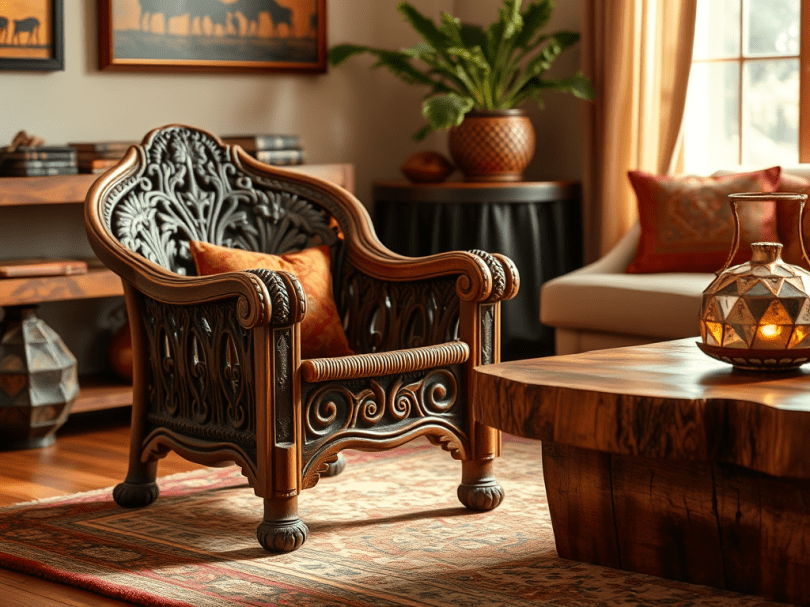
  1. Natural Materials: Wood, leather, rattan, and metals are commonly used, often sourced locally and sustainably. These materials add an organic and earthy feel to the pieces.
  2. Bold Patterns and Textures: Intricate carvings, geometric patterns, and textured surfaces reflect the vibrant artistic traditions of Africa.
  3. Rich Colors: Earthy tones such as browns, reds, and golds dominate, often accented with brighter hues inspired by African landscapes and textiles.
  4. Handcrafted Details: Many African furniture pieces are handmade, showcasing the exceptional skill of local artisans. Each piece often tells a story or represents cultural symbols.

Key Pieces of African Style Furniture

1. Wooden Chairs and Stools

Carved wooden chairs and stools are iconic in African design. The designs range from minimalist to highly ornate, often reflecting tribal influences. Many of these pieces are functional works of art, doubling as decorative elements in modern homes.

2. Coffee Tables

African coffee tables are often low to the ground, featuring carved legs or inlaid patterns. Tables made from reclaimed wood or tree stumps add a rustic charm to living spaces.

3. Beds and Headboards

African-style beds and headboards incorporate bold carvings or woven elements, creating statement pieces for the bedroom. They often blend traditional craftsmanship with contemporary design elements.

4. Storage Units

Cabinets, chests, and shelves crafted in African styles often feature intricate carvings and colorful accents. These pieces are both practical and artistic, adding a cultural touch to any room.

5. Accent Pieces

Side tables, ottomans, and benches crafted in African styles make excellent accent pieces. They’re perfect for adding a touch of African artistry without overwhelming the space.

Incorporating African Furniture into Modern Homes

African furniture seamlessly blends with various interior design styles, from bohemian to contemporary. Here are some tips for incorporating it into your decor:

  • Mix and Match: Pair African furniture with neutral walls and modern pieces to balance traditional and contemporary styles.
  • Layer with Textiles: Add African-inspired rugs, throws, or cushions featuring bold patterns to enhance the cultural aesthetic.
  • Emphasize Natural Elements: Use plants, woven baskets, and other organic decor items to complement the natural materials in African furniture.
  • Create Focal Points: Let a standout piece, like a carved chair or bold coffee table, serve as the centerpiece of the room.

Where to Find African Style Furniture

For authentic African furniture, consider:

  1. Local Artisans: Support African artisans and small businesses by purchasing directly from them. This ensures authenticity and supports sustainable practices.
  2. Specialty Stores: Many online and brick-and-mortar stores specialize in African-inspired furniture.
  3. Fair Trade Shops: Look for fair trade certifications to ensure ethical sourcing.

The Timeless Appeal of African Furniture

African style furniture is more than just decor—it’s a celebration of culture, history, and artistry. Whether you’re designing an entire room or adding a few accent pieces, these unique creations bring warmth, character, and a sense of connection to your home. By embracing African furniture, you’re not only enhancing your living space but also honoring the rich traditions and incredible craftsmanship of the African continent.