Contemporary home style is one of the most sought-after looks in today’s interior design world—and for good reason. It’s clean, comfortable, flexible, and effortlessly stylish. But what makes a home contemporary, exactly? And how can you bring this look into your own space without it feeling cold or overly minimal?

Let’s break down what contemporary home style really means and how you can design your home using its core principles.
What Is Contemporary Home Style?
Contemporary style refers to what’s current—the design trends happening right now. Unlike modern style (which refers to a specific time period), contemporary style is ever-evolving. Today’s contemporary homes usually include:
- Clean, smooth lines
- Neutral color palettes
- Natural light
- Innovative materials
- Thoughtful use of texture
- Minimal yet warm décor choices
- Open layouts that feel airy and uncluttered
You can think of contemporary design as a blend of minimalism + comfort + artistic expression.
1. Start With a Neutral Foundation
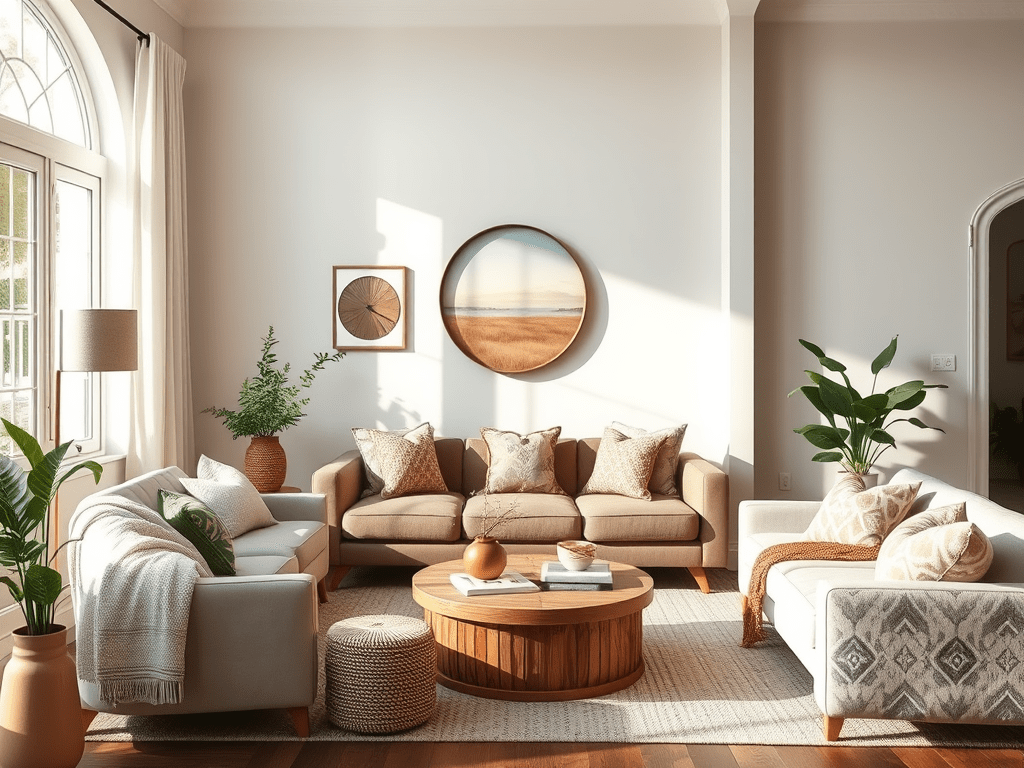
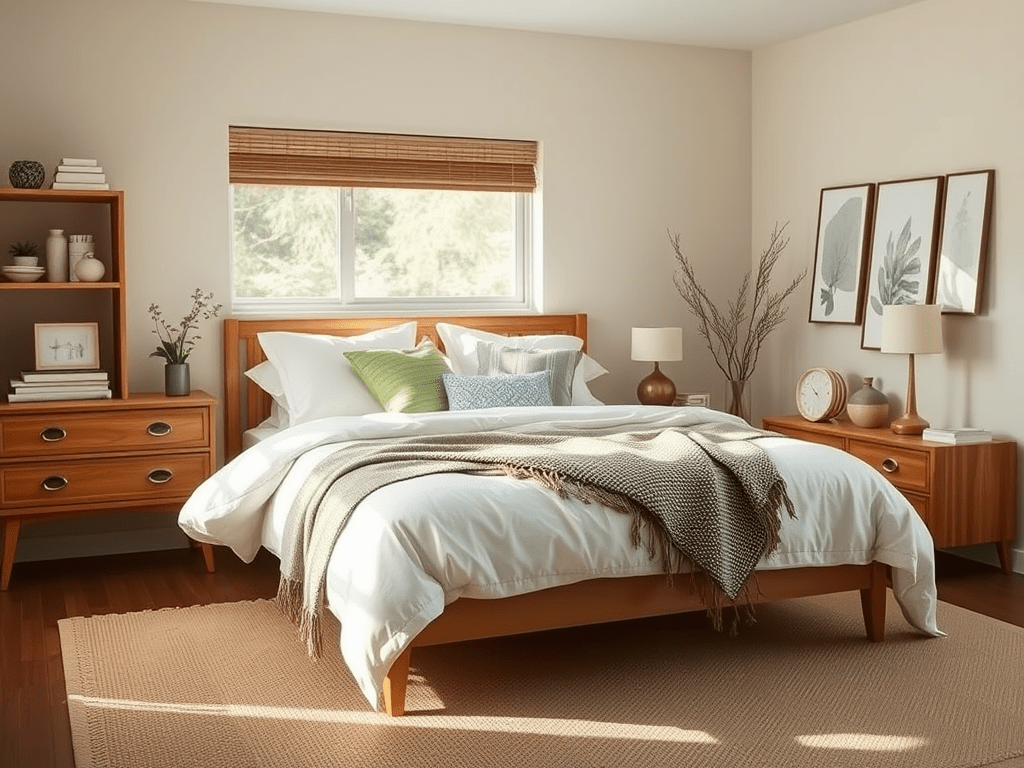
Contemporary interiors typically begin with a neutral palette. Think soft whites, creams, taupes, warm grays, and blacks. This doesn’t mean your home has to be colorless—these neutrals simply serve as your backdrop.
Tips to achieve this:
- Paint walls in warm white or light beige to keep the space bright.
- Choose large furniture pieces in solid, neutral colors.
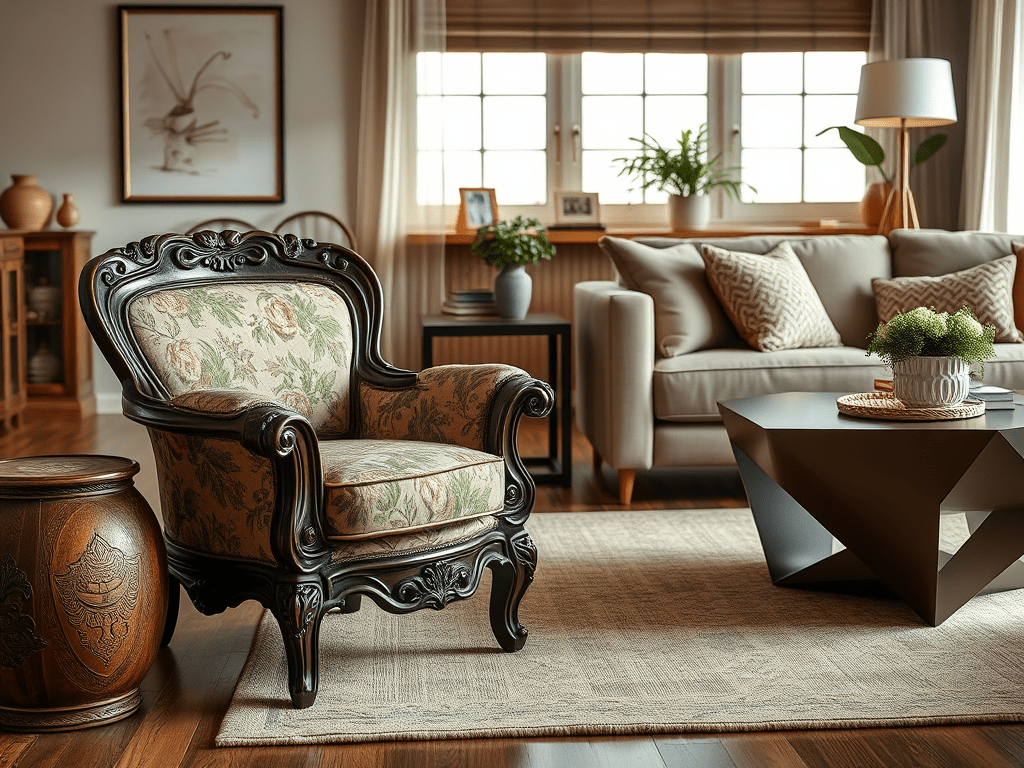
- Add contrast with black hardware, dark accent chairs, or charcoal decor.
This foundational palette allows your artwork, textures, and statement pieces to shine.
2. Embrace Clean, Simple Lines
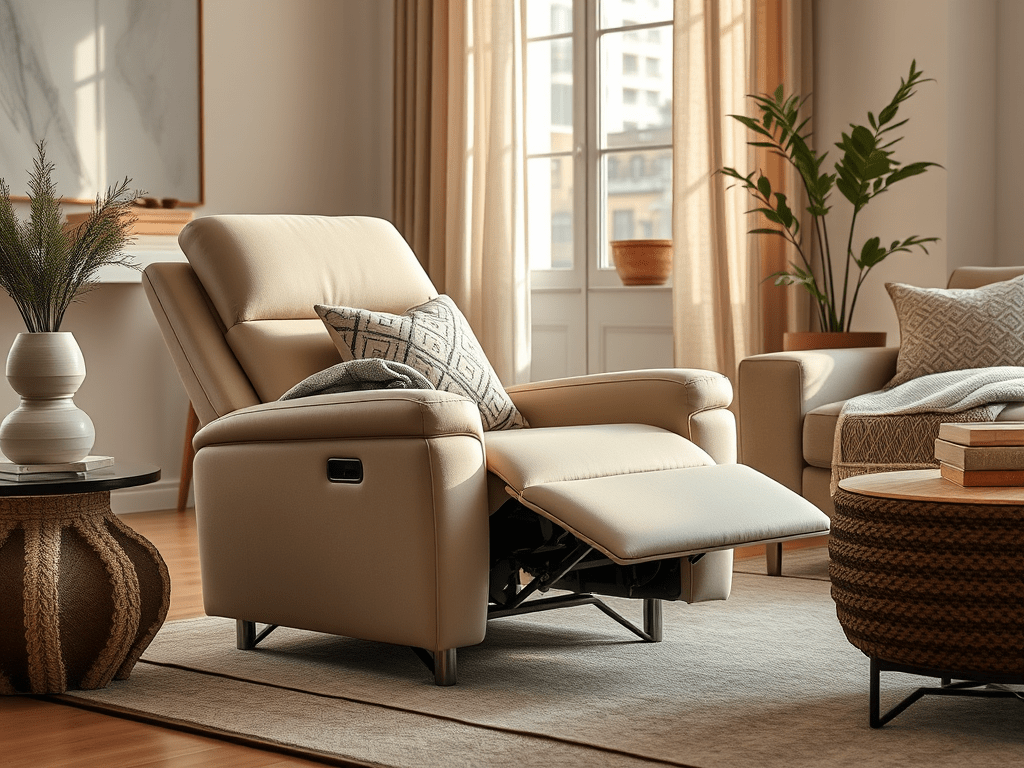
Straight, smooth, and unembellished lines define contemporary style. Everything from your sofa arms to your cabinetry to your lighting should feel sleek and intentional.
Where to incorporate this:
- Opt for streamlined furniture—avoid ornate details.
- Choose flat-panel kitchen cabinets.
- Use slender, minimalistic lighting fixtures.
- Select geometric shapes for décor and furniture (rectangles, ovals, rounded edges).
This keeps your home feeling fresh rather than busy.
3. Incorporate Natural Light
Light plays a huge role in contemporary design. The goal is to create spaces that feel open, airy, and connected to the outdoors.
Simple ways to maximize light:
- Use sheer curtains or roller shades instead of heavy drapery.
- Add mirrors to reflect light.
- Keep window trim and furniture placement minimal.
- Choose light fixtures with warm LED bulbs for a soft glow.
Natural light helps neutral colors feel more vibrant and textured.
4. Mix Materials for Added Interest
Because contemporary style is clean and simple, mixing materials is essential for preventing your home from feeling flat.
Try pairing:
- Glass with metal
- Wood with stone
- Leather with fabric
- Polished surfaces with matte finishes
Think: a marble coffee table, a wood accent wall, or a metal-framed mirror. Each adds depth without adding clutter.
5. Let Texture Speak for You
Contemporary design uses texture to add personality, especially when the color palette is neutral.
Textures that work well:
- Textured rugs (looped, woven, or shag)
- Bouclé or linen upholstery
- Slatted wall panels
- Ceramic vases
- Soft, layered throws
Texture warms up the space and balances clean lines.
6. Use Minimal but Meaningful Decor
Contemporary homes aren’t empty—they’re simply curated. Every piece should feel intentional, adding purpose or beauty.
Ideas for décor:
- Oversized abstract artwork
- Sculptural vases
- One or two impactful statement pieces
- Plants with architectural shapes (snake plants, fiddle leaf figs)
- Open space as a “design element”
Think quality over quantity. Less visual noise = more impact.
7. Create Open, Functional Layouts
The heart of contemporary design is flow. Rooms should feel connected, uncluttered, and easily navigated.
How to achieve this:
- Keep pathways clear.
- Float furniture rather than pushing everything against the wall.
- Use multifunctional pieces (storage ottomans, nesting tables).
- If you have a small space, choose furniture with legs instead of bulky bases to keep things airy.
8. Add Pops of Color Through Art and Accessories
While contemporary homes lean neutral, they are not afraid of bold color—it’s just used strategically.
Use color in:
- Artwork
- Accent cushions
- Rugs
- A single statement chair
- Floral arrangements
This allows flexibility: you can change the vibe of your home seasonally without fully redecorating.
9. Keep Clutter Out of Sight
Storage is your friend. Contemporary homes thrive when surfaces stay clean and items are tucked away.
Quick clutter-free rules:
- Invest in closed storage cabinets.
- Use decorative baskets for everyday items.
- Make a habit of “one in, one out” when buying decor.
- Keep kitchen and bathroom counters clear.
A clean environment feels instantly more contemporary.

Final Thoughts
Designing a contemporary home is all about balance—simple but warm, clean but lived-in, neutral but expressive. When you combine smooth lines with natural light, thoughtful textures, curated decor, and a functional layout, your home becomes a calming yet stylish reflection of today’s design trends.
Whether you’re updating one room or your entire home, contemporary style offers a versatile, timeless foundation that adapts as trends evolve.