
Minimalism may feel like a modern trend, but the truth is… it has a deeper story—one rooted in culture, art, and even the way we choose to live our lives. If you’ve ever looked around your space and craved less clutter, more calm, and a sense of intentional living… you’re already connecting with something that started long before today’s Pinterest boards and Instagram homes.Minimalism didn’t suddenly appear in modern homes—it actually traces back thousands of years.
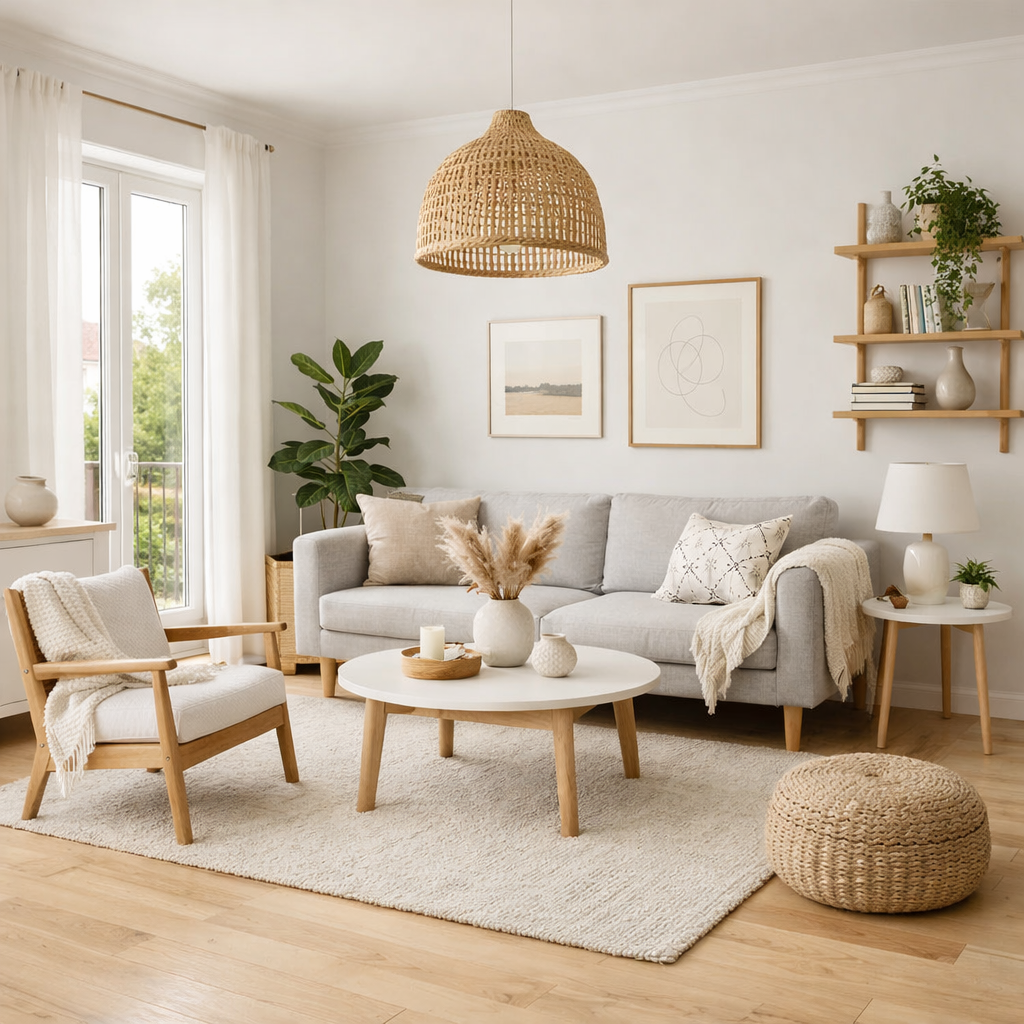
Let’s take a journey through the history of minimalistic style—when it began, where it came from, and why it became such a powerful movement.
The True Origins of Minimalism (It Started Before We Called It “Minimalism”)
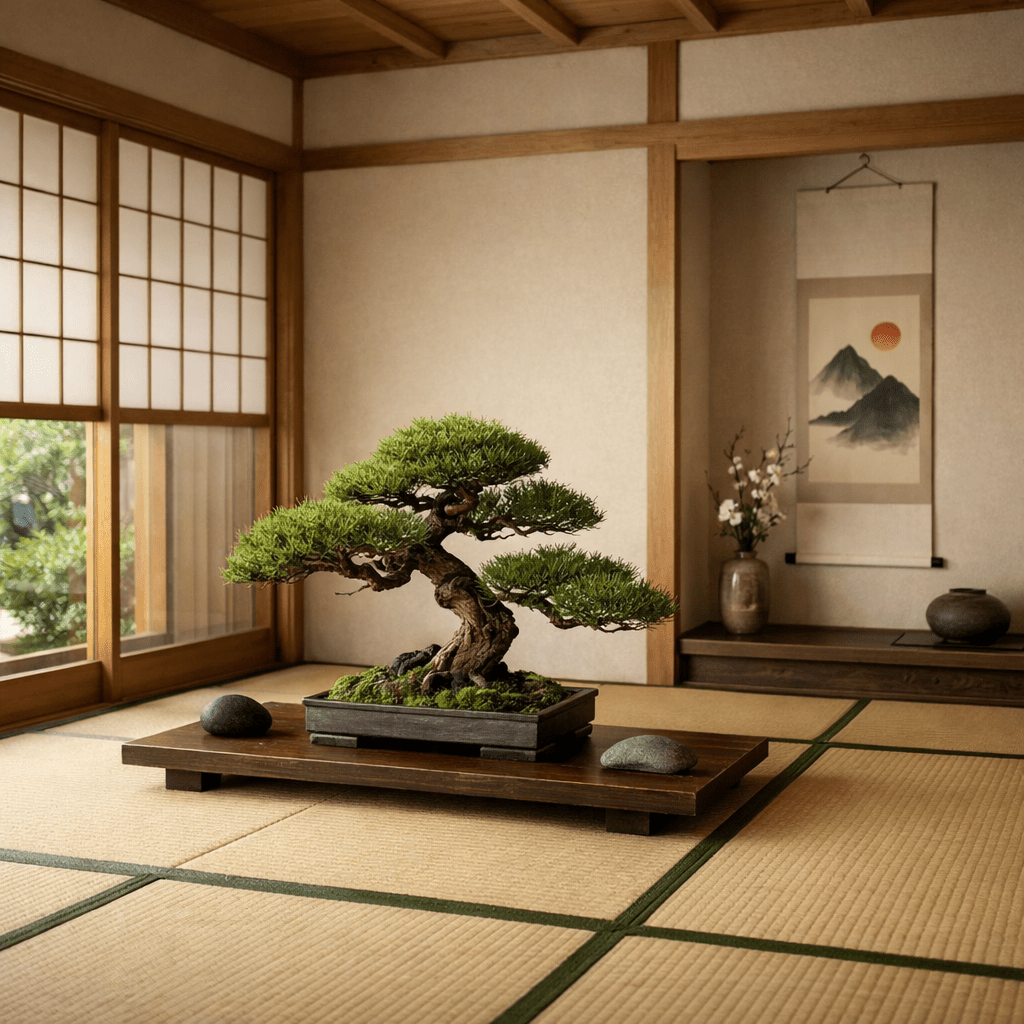
Early Influences: Japan & Zen Philosophy
One of the strongest roots of minimalism comes from traditional Japanese design, especially influenced by Zen Buddhism (around the 12th century).
In these spaces, you would find:
- Clean lines
- Open space
- Natural materials like wood and stone
- Very few decorative items
The philosophy behind it?
Simplicity creates peace.
Homes were intentionally uncluttered because the belief was that your environment affects your mind. Less visual noise = more clarity, more calm, more presence.
This idea still shapes minimalism today—especially in modern “Japandi” style (a blend of Japanese and Scandinavian design).
Minimalism in Art (1940s–1960s: When It Became a Movement)
Fast forward to the mid-20th century, and minimalism officially became a recognized movement—this time in art and design.
Where It Began: United States (Post–World War II)
Minimalism as we know it started gaining attention in New York during the 1940s–1960s.
Artists were reacting against:
- Overly emotional abstract art
- Busy, complex designs
- Excess and decoration
Instead, they chose:
- Simple geometric shapes
- Neutral colors
- Repetition
- Clean, intentional design
Famous minimalist artists like Donald Judd and Frank Stella focused on one idea:
Art doesn’t need to be complicated to be powerful.
This mindset quickly spread beyond art… and into architecture and interiors.
Minimalism Enters Architecture & Interior Design
As the art movement grew, architects and designers began applying the same philosophy to spaces.
Key Influence: Modern Architecture
One of the most famous figures tied to minimalist design is Ludwig Mies van der Rohe, known for the phrase:
“Less is more.”
During the mid-1900s, architecture began shifting toward:
- Open floor plans
- Large windows
- Functional furniture
- Clean, uncluttered layouts
Homes became less about decoration and more about purpose and flow.
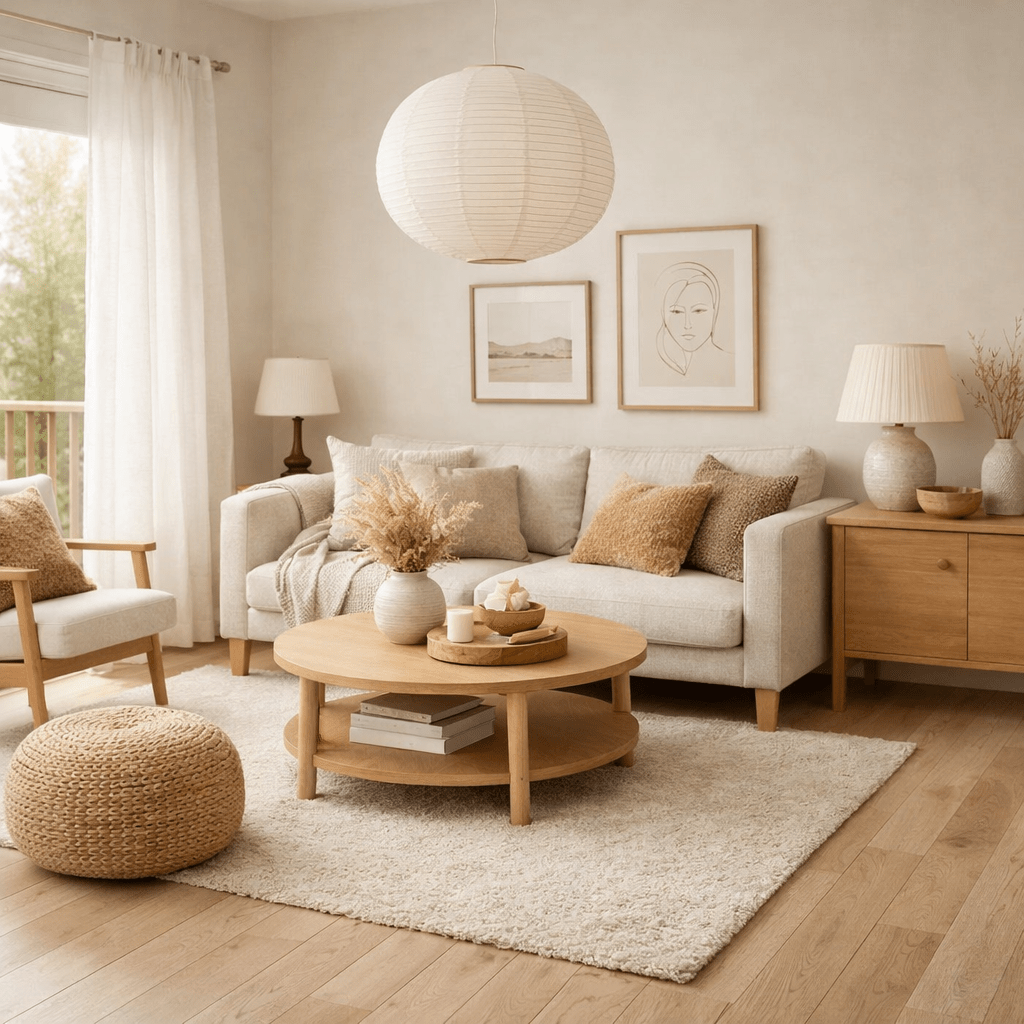
Scandinavian Design (1950s–1970s): Making Minimalism Livable
While minimalism could feel a little cold at first, Scandinavian countries softened it and made it feel… like home.
Where: Denmark, Sweden, Norway, Finland
Scandinavian design brought:
- Warm neutrals
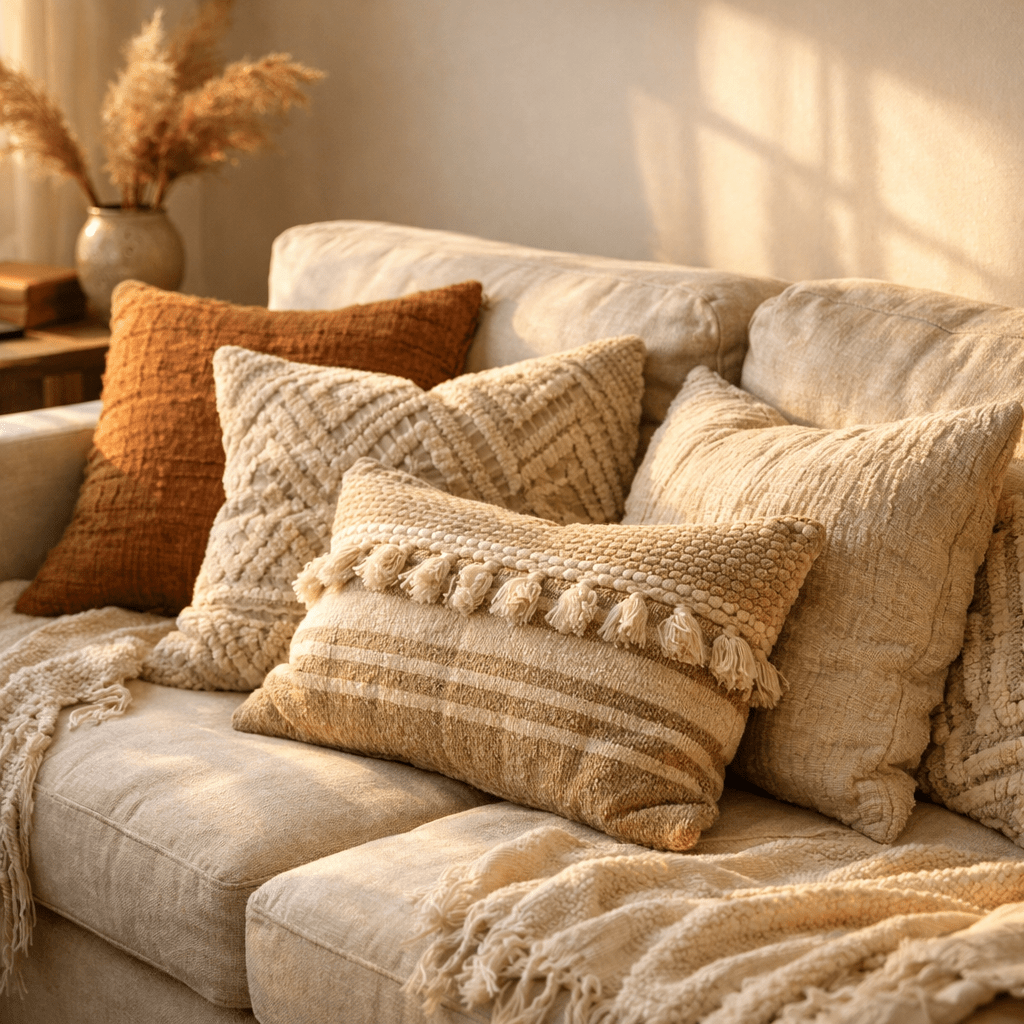
- Cozy textures
- Functional yet beautiful furniture
- Light-filled spaces
The focus became:
Simple living, but comfortable living.
This is where minimalism started to feel more relatable—less like an art concept and more like a lifestyle.
Why Minimalism Became So Popular
Minimalism didn’t just “become a thing” because it looked good—it became popular because people needed it.
1. Reaction to Consumerism
As the world became more focused on buying more, owning more, and filling every space… people started feeling overwhelmed.
Minimalism offered an alternative:
You don’t need more to feel fulfilled.
2. Smaller Living Spaces
Urban living led to:
- Smaller apartments
- Less storage
- Multi-functional rooms
Minimalism became practical, not just aesthetic.
3. Mental Clarity & Wellness
Studies (and real life) show that clutter can:
- Increase stress
- Make spaces feel chaotic
- Impact productivity
Minimalism promotes:
- Calm environments
- Intentional living
- Peace of mind
The Modern Minimalism Movement (2000s–Today)
Minimalism truly exploded in popularity in the early 2000s and 2010s, especially with the rise of:
- Social media
- Home decor blogs (yes, like yours)
- Lifestyle influencers
- The “declutter your life” movement
Think:
- Marie Kondo’s “spark joy” philosophy
- The Minimalists (Joshua Fields Millburn & Ryan Nicodemus)
- Tiny home living
Minimalism became more than design—it became a lifestyle choice.
Minimalism Today: It’s Not One-Size-Fits-All
Here’s something important (especially for your audience):
Minimalism today isn’t about having nothing.
It’s about keeping what matters.
Modern minimalism can look like:
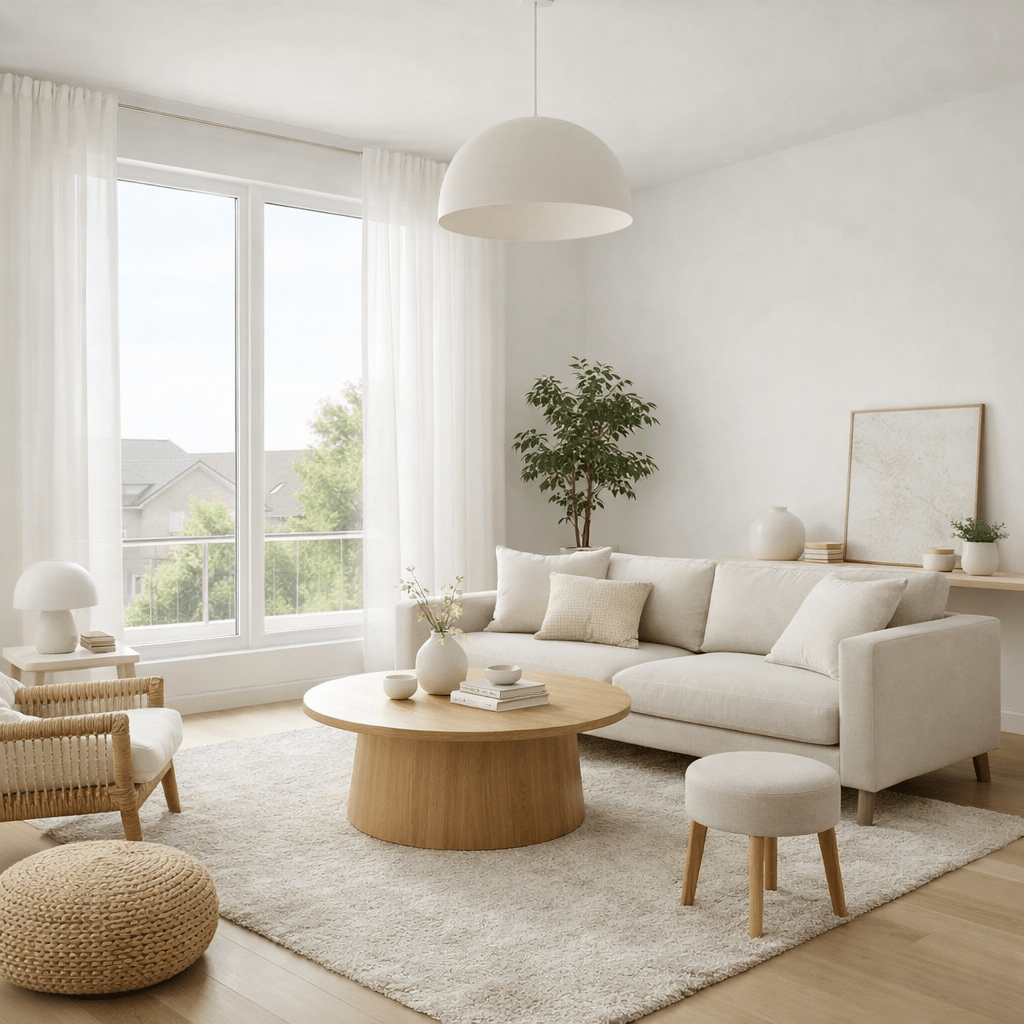
- Neutral, airy spaces
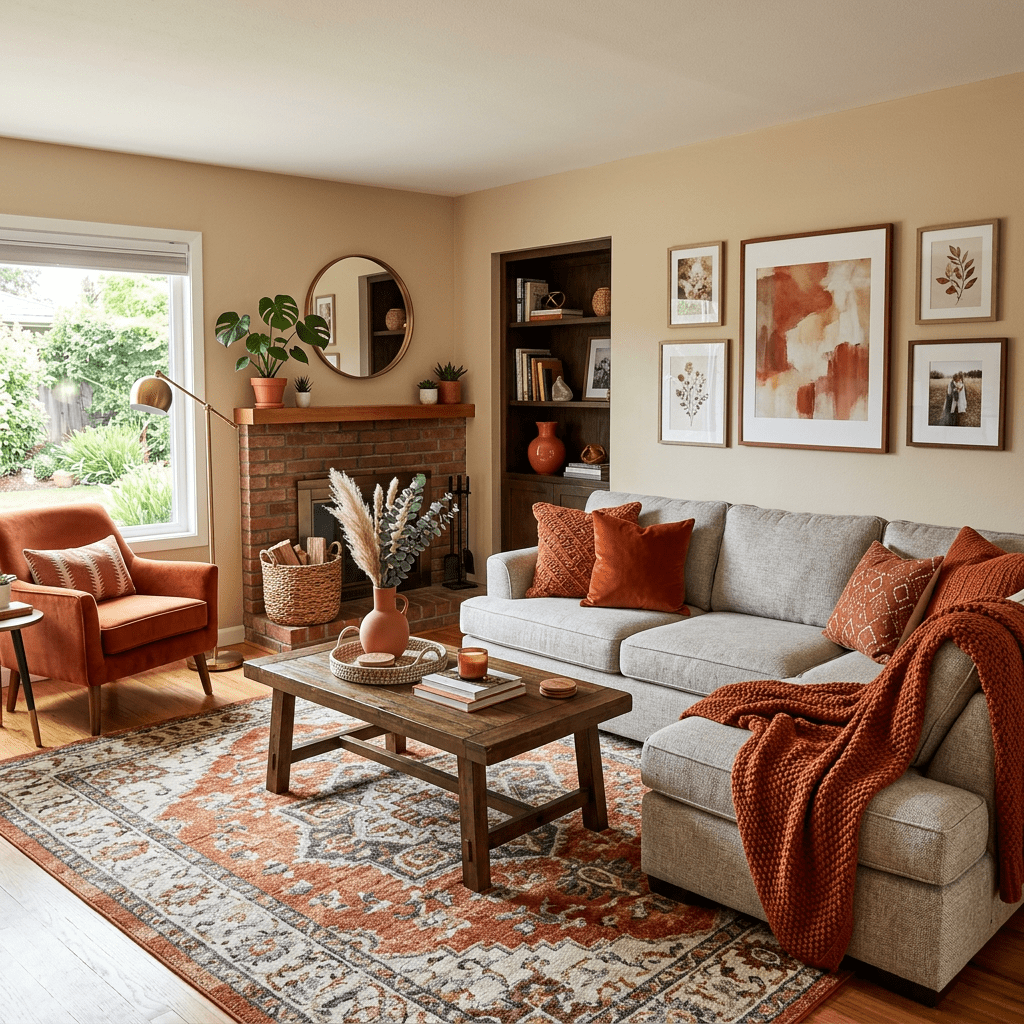
- Or colorful but uncluttered rooms
- Or a mix of styles with intentional design
It’s flexible. It’s personal. And it’s evolving.
Final Thoughts: Why Minimalism Still Matters
Minimalism has lasted for centuries because it speaks to something deeper than trends.
It reminds us:
- Your home should support your peace
- Your space should reflect intention, not excess
- You don’t need more… you need what works for you
And honestly? In a world that constantly tells us to do more, buy more, and be more…
minimalism gently says:
“You’re allowed to have less—and still live beautifully.”

 Discoveringlifellc
Leave a comment