
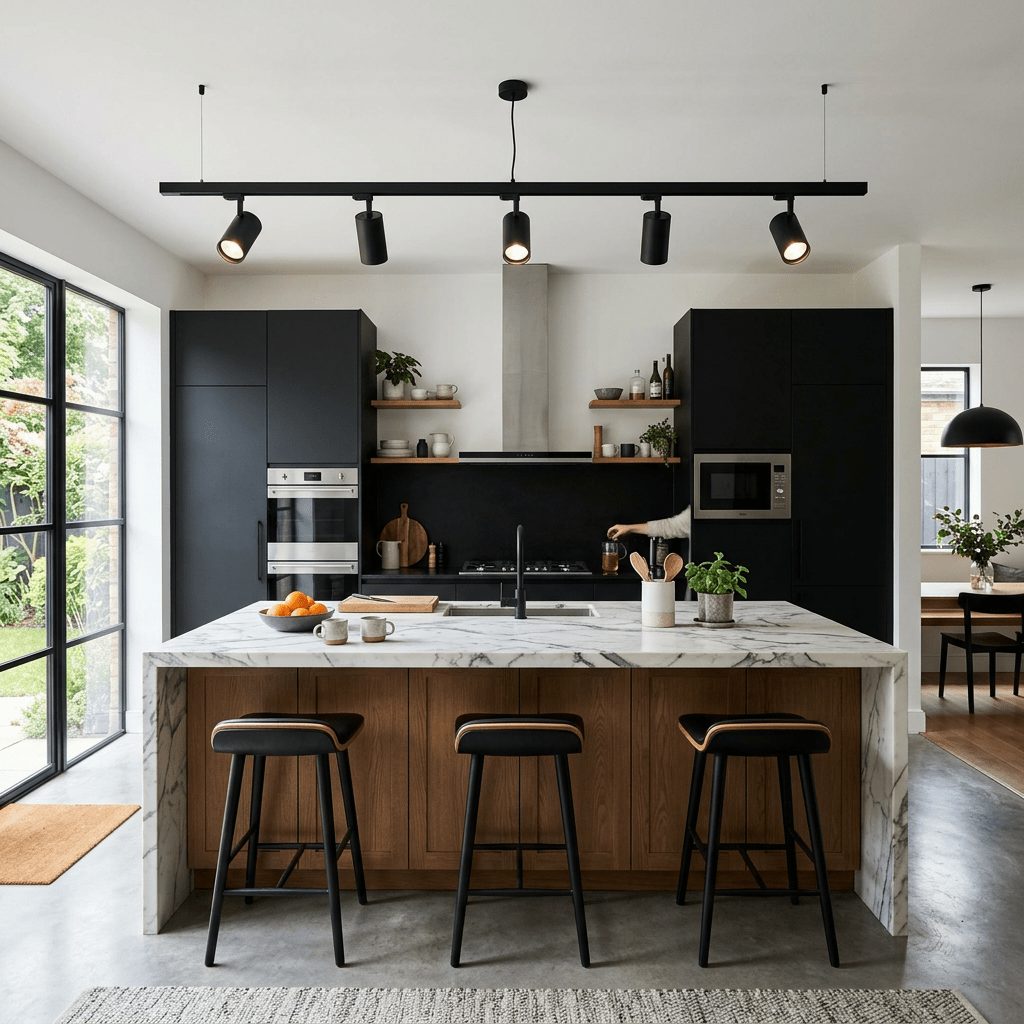
There was a time when track lighting was everywhere. Walk into a home built or remodeled in the 1970s, 1980s, or even early 1990s, and chances are you would spot a row of adjustable lights stretching across the ceiling. For many homeowners, track lighting became the symbol of modern design. It felt sleek, futuristic, practical, and stylish all at once.
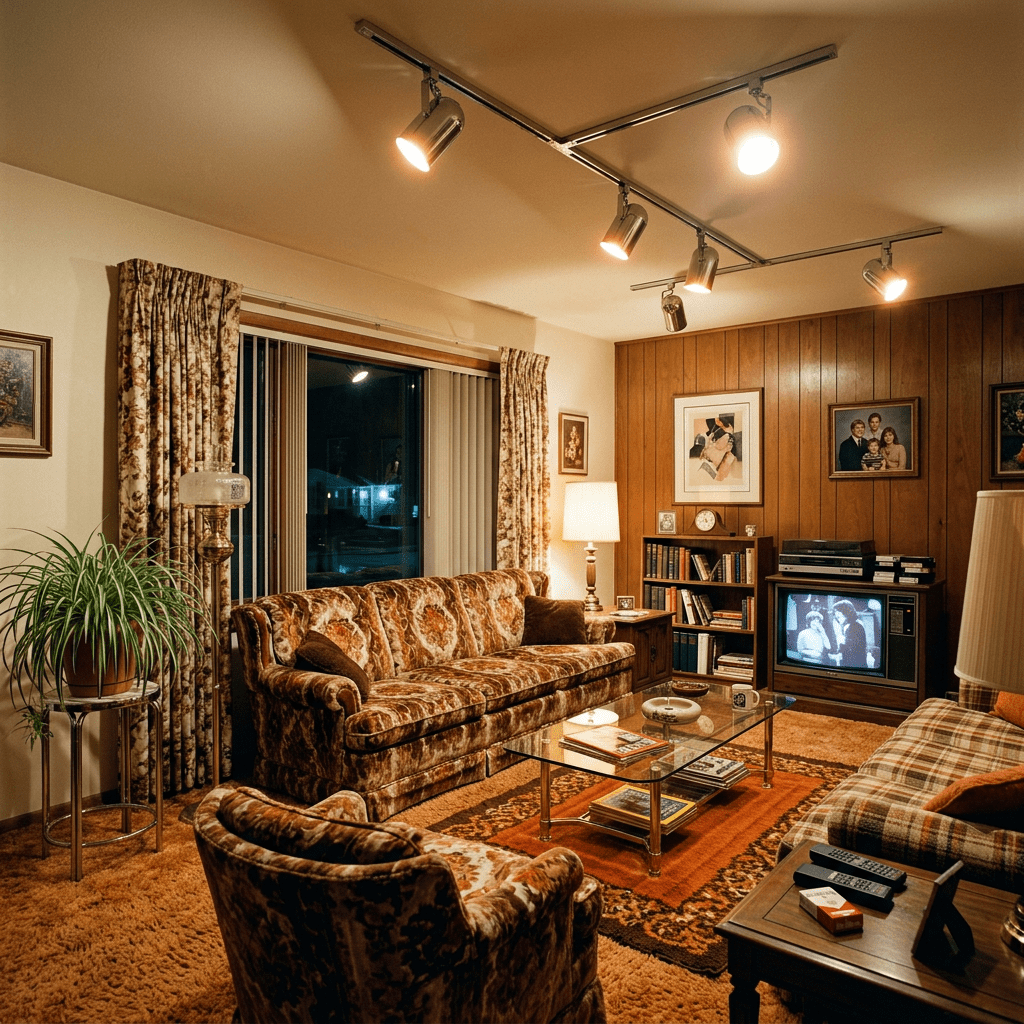
But somewhere along the way, track lighting quietly faded from center stage. Recessed lighting took over. Minimalist fixtures became popular. Open-concept homes changed the way lighting was designed. So now many people wonder:
Is track lighting outdated?
The answer may surprise you.
Track lighting is not completely gone. In fact, it is quietly making a comeback in modern interior design — just in a more refined and updated way. Today’s track lighting looks very different from the bulky metal systems many people remember from decades ago.
Let’s take a deeper look at the fascinating history of track lighting, why it became so popular, why it faded, and whether it still deserves a place in modern homes today.
What Is Track Lighting?
Track lighting is a lighting system where multiple light fixtures are attached to a continuous track mounted on the ceiling or wall. The fixtures can often be adjusted or moved along the track, allowing homeowners to direct light exactly where it is needed.
Unlike traditional fixed ceiling lights, track lighting was revolutionary because it offered flexibility.
You could:
- Highlight artwork
- Brighten dark corners
- Illuminate kitchen counters
- Focus light on furniture or decor
- Change the direction of lighting anytime
At the time, this felt incredibly advanced.
The History of Track Lighting
Track lighting first gained popularity during the mid-20th century, particularly in the 1960s and 1970s.
Its rise was heavily connected to modern architecture and changing interior design trends. Homes were becoming more contemporary, and designers wanted lighting that felt cleaner and less traditional than chandeliers or bulky ceiling fixtures.
Track lighting originally appeared in:
- Art galleries
- Retail stores
- Museums
- Commercial spaces
Why? Because it was perfect for spotlighting displays and changing layouts without constantly rewiring lighting systems.
Eventually, homeowners fell in love with the same concept.
By the late 1970s and throughout the 1980s, track lighting became one of the hottest trends in home design.
Why Track Lighting Became So Popular
1. Flexibility Changed Everything
Before track lighting, most homes relied on:
- One central ceiling fixture
- Table lamps
- Floor lamps
Track lighting gave homeowners control. Suddenly you could point light exactly where you wanted it.
That was a huge innovation.
2. It Felt Modern and High-End
During the 70s and 80s, futuristic and industrial-inspired interiors became extremely popular.
Track lighting matched:
- Open layouts
- Vaulted ceilings
- Minimalist furniture
- Industrial decor
- Contemporary kitchens
It looked sophisticated at the time.
3. It Solved Lighting Problems
Older homes often had poor overhead lighting. Track lighting became an easy way to brighten difficult spaces without major renovations.
It worked especially well in:
- Kitchens
- Basements
- Hallways
- Home offices
- Art studios
4. It Highlighted Decor
Track lighting was one of the earliest forms of “accent lighting” in residential design.
Homeowners could finally spotlight:
- Paintings
- Decorative walls
- Sculptures
- Shelving
- Architectural details
This helped homes feel more customized and luxurious.
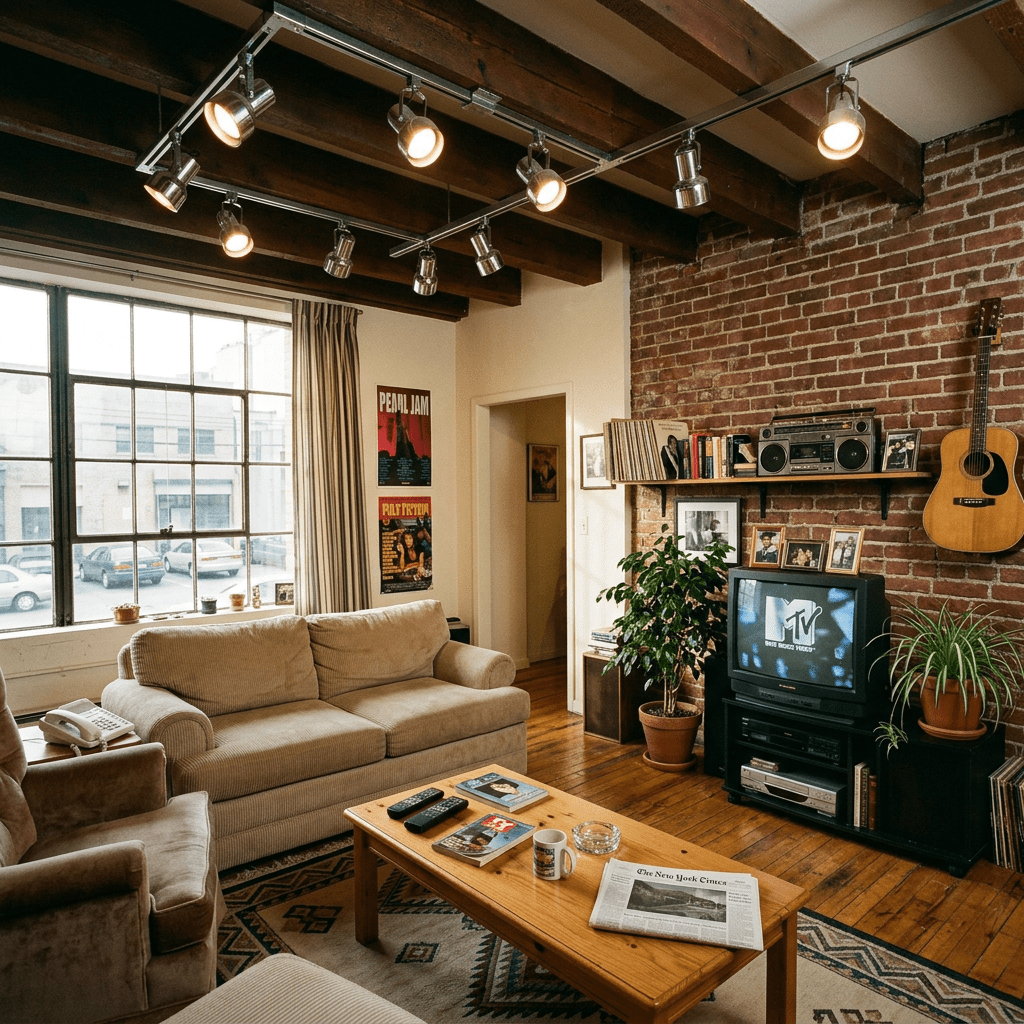
Why Track Lighting Started to Fade
Like many design trends, track lighting eventually became overused.
By the late 1990s and early 2000s, many homeowners began viewing older track lighting systems as bulky and dated.
Here’s why the popularity declined.
1. Recessed Lighting Took Over
Recessed can lighting became the new standard.
People loved it because it:
- Disappeared into the ceiling
- Looked cleaner
- Felt more minimal
- Created even lighting
Compared to sleek recessed lights, older track systems began to feel visually heavy.
2. Some Designs Felt Harsh
Older track lighting often used:
- Bright halogen bulbs
- Harsh directional lighting
- Exposed metal tracks
This sometimes made rooms feel cold or overly commercial rather than cozy.
3. Trends Shifted Toward Softer Spaces
Interior design moved toward:
- Warmer aesthetics
- Layered lighting
- Softer ambiance
- Cozy textures
Track lighting became associated with older contemporary homes instead of the newer cozy-modern styles people preferred.
4. Poor Installations Hurt Its Reputation
One major issue was overuse.
Some homes installed track lighting everywhere:
- Across entire ceilings
- In awkward directions
- With too many visible fixtures
This created cluttered ceilings and made the lighting feel chaotic rather than elegant.
Is Track Lighting Coming Back?
Yes — but in a completely updated form.
Modern track lighting is:
- Slimmer
- More minimal
- More architectural
- Better integrated into ceilings
- Often matte black, bronze, or neutral toned
Today’s designers are using track lighting in a much more intentional way.
Where Modern Track Lighting Works Best
Kitchens
Track lighting remains incredibly useful in kitchens because adjustable heads can direct light onto:
- Islands
- Countertops
- Coffee stations
- Dining areas
Art Walls and Galleries
Modern homes still use track lighting to highlight:
- Framed artwork
- Floating shelves
- Statement walls
This is where track lighting truly shines.
Small Spaces
In apartments or condos where wiring options are limited, track lighting can provide excellent overall lighting with a modern look.
Industrial and Modern Homes
Track lighting pairs beautifully with:
- Loft-style interiors
- Minimalist homes
- Scandinavian design
- Modern farmhouse spaces
- Contemporary luxury interiors
Why Track Lighting Was Actually Effective
Despite changing trends, track lighting succeeded for a reason.
It solved real problems.
It provided:
- Adjustable lighting
- Multi-directional coverage
- Accent lighting
- Task lighting
- Flexibility without major electrical work
Many modern lighting systems today still borrow ideas originally popularized by track lighting.
Even recessed directional lights are influenced by the concept of adjustable illumination.
How to Make Track Lighting Look Modern Today
If you already have track lighting in your home, you do not necessarily need to remove it.
Instead:
- Replace outdated bulbs with warm LED lighting
- Choose minimalist track heads
- Use matte black or soft metallic finishes
- Keep layouts simple and intentional
- Pair with softer layered lighting like lamps or sconces
The key is balance.
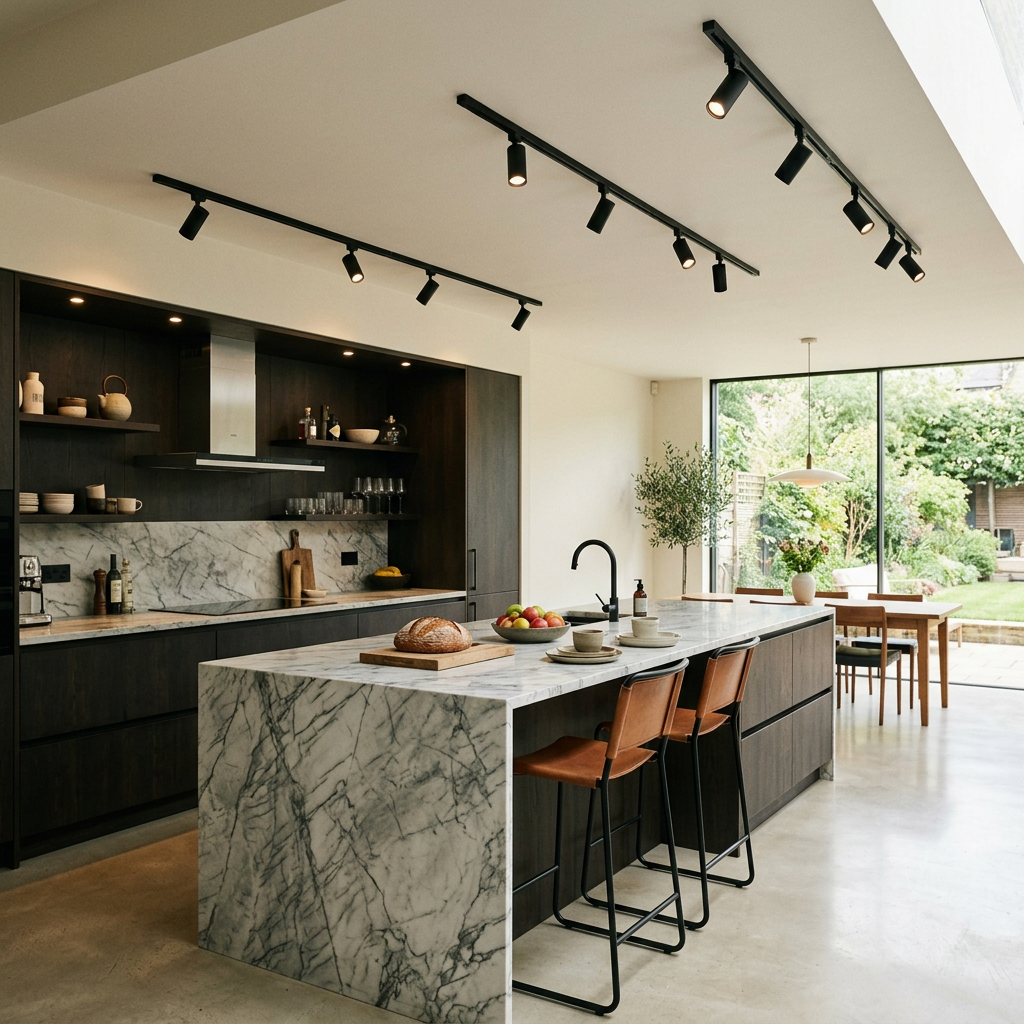
Final Thoughts
Track lighting is not necessarily a thing of the past — it has simply evolved.
Like many home trends, its reputation suffered because of overuse and outdated designs. But at its core, track lighting was innovative, practical, and highly effective.
In many ways, it helped shape modern lighting design as we know it today.
What once symbolized futuristic interiors may now represent something even more important: flexible design that adapts to how we truly live in our homes.
And honestly? When done correctly, modern track lighting can still look incredibly stylish today.
Especially in homes that value clean lines, thoughtful lighting, and functional beauty.
For homeowners looking to blend practicality with modern design, track lighting may deserve a second look after all.


 Discoveringlifellc
Leave a comment