

There’s something undeniably inviting about a bungalow. Whether it’s the welcoming front porch, cozy living spaces, or charming architectural details, bungalow homes have remained one of the most beloved home styles for well over a century. While design trends come and go, the bungalow continues to capture the hearts of homeowners who appreciate comfort, craftsmanship, and character.

If you’ve ever dreamed of owning a home that feels warm, lived-in, and full of personality, a bungalow may be exactly what you’re looking for. Let’s explore what makes these homes so special, where they originated, and how to decorate one beautifully.
What Is a Bungalow?
A bungalow is a small to medium-sized home, typically one to one-and-a-half stories tall, designed with simplicity, functionality, and comfort in mind.

Although no two bungalows are exactly alike, most share several recognizable features:
- Low-pitched roof
- Wide front porch
- Deep roof overhangs
- Exposed rafters or decorative brackets
- Large front windows
- Built-in cabinetry and shelving
- Open living and dining areas
- Efficient floor plans
- Natural materials like wood, brick, and stone
Unlike many larger modern homes, every square foot of a bungalow is designed to serve a purpose. The layout encourages gathering, conversation, and everyday living rather than simply showcasing excess space.
The History of the Bungalow
The word bungalow comes from the Hindi word “bangla,” meaning “a house in the Bengal style.”
During the 1800s, British officials living in India admired these simple one-story homes because they stayed cool in the warm climate and were practical for everyday life. They eventually brought the architectural concept back to England. By the early 1900s, bungalow homes exploded in popularity throughout the United States.
Between 1905 and the 1930s, bungalows became one of America’s favorite home styles, particularly during the Arts and Crafts movement. Architects rejected the overly elaborate Victorian style and instead focused on craftsmanship, natural materials, and homes that felt comfortable rather than extravagant.
Many companies even sold entire bungalow kits through mail-order catalogs. Homeowners could literally order every piece needed to build a house, delivered by railroad.
This made homeownership more affordable for middle-class families and helped spread bungalow neighborhoods across America.
Why Are Bungalows So Loved?
They Feel Instantly Welcoming
Perhaps no home style says “welcome” quite like a bungalow. The large front porch naturally encourages neighbors to visit, children to play outside, and homeowners to spend evenings enjoying fresh air. It’s a design that promotes community.
They Prioritize Comfort
Instead of towering ceilings and unused formal rooms, bungalows are designed around comfortable living. Rooms flow naturally into one another, making the home feel intimate without feeling cramped.
Incredible Craftsmanship
Older bungalows often include details that are difficult to find in many newer homes:
- Built-in bookcases
- Window seats
- Original hardwood flooring
- Thick wood trim
- Coffered ceilings
- Brick fireplaces
- Leaded glass windows
- Handmade cabinetry
These details give every bungalow a unique personality.
Easy Maintenance
Most bungalows are modest in size. Smaller homes often mean:
- Lower utility bills
- Less cleaning
- Easier maintenance
- More affordable renovations
- Better use of space
Many homeowners today appreciate quality over quantity.

Where Are Bungalows Most Common?
Bungalows can be found throughout the world, but they’re especially common in:
California
California Craftsman bungalows are among the most recognizable.
Cities include:
- Pasadena
- Los Angeles
- Long Beach
- Berkeley
Chicago
Chicago has thousands of iconic brick bungalows built during the early 1900s.
Entire neighborhoods were developed around this style.
Portland, Oregon
Many Portland neighborhoods feature beautifully preserved Craftsman bungalows with lush gardens and tree-lined streets.
Seattle
Seattle embraced bungalow construction during its rapid early growth. Many still feature original woodwork and stunning front porches.
Indianapolis and the Midwest
The Midwest is home to countless bungalow neighborhoods, particularly in Indianapolis, where early 20th-century development created streets filled with charming Craftsman and bungalow-style homes.
Popular Types of Bungalows
Not every bungalow looks the same. Some popular variations include:
Craftsman Bungalow
The most famous style.
Features include:
- Exposed beams
- Natural wood
- Stone columns
- Built-in furniture
- Handcrafted details
California Bungalow
Light-filled interiors paired with indoor-outdoor living.
Perfect for warm climates.
Tudor Bungalow
Combines bungalow layouts with Tudor architecture.
Features:
- Decorative half-timbering
- Steep roof accents
- Brick exteriors
Prairie Bungalow
Influenced by Frank Lloyd Wright.
Features:
- Horizontal lines
- Wide windows
- Earth-toned colors
- Open layouts
How to Decorate a Bungalow Home
Because bungalows are full of character, decorating them is often about enhancing what already exists rather than covering it up.
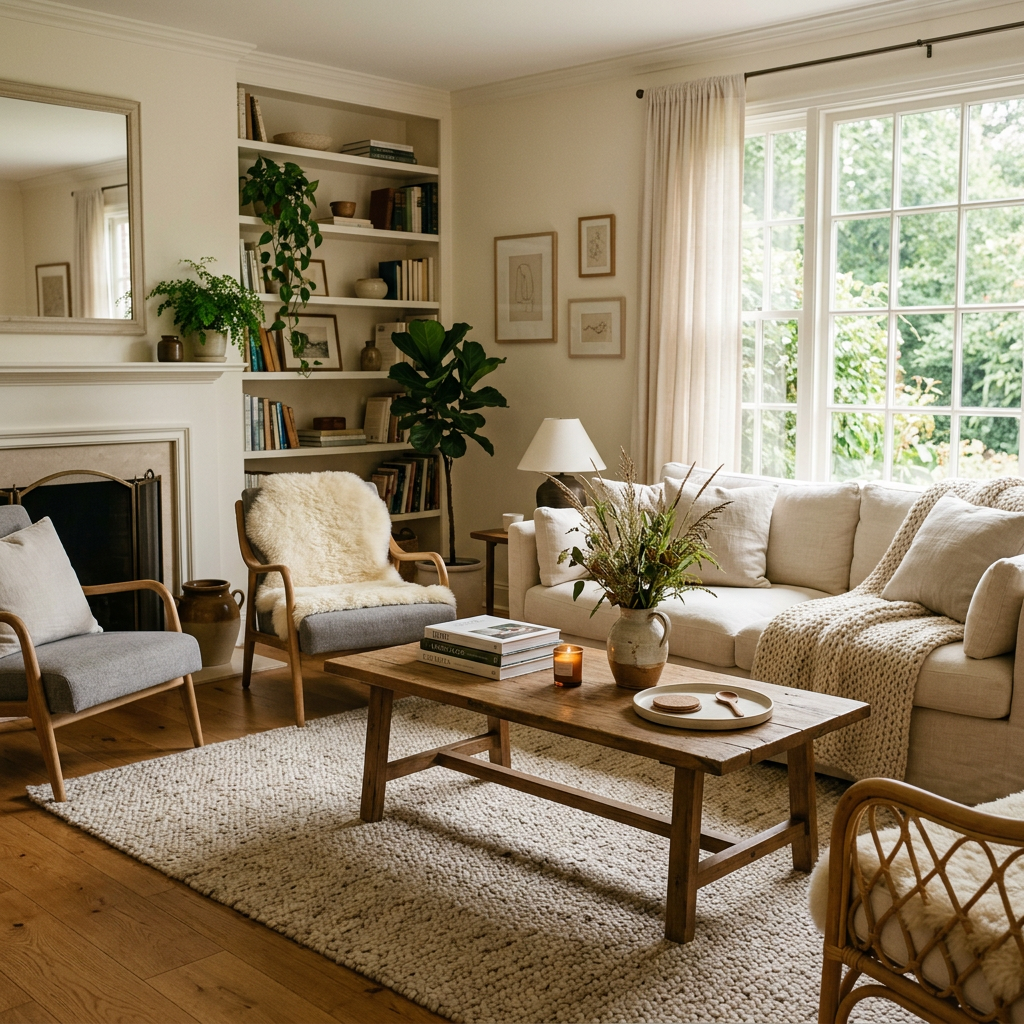
Celebrate Original Woodwork
Never underestimate beautiful trim. Instead of painting everything white, consider preserving:
- Oak trim
- Hardwood floors
- Built-in shelving
- Window casings
- Fireplace mantels
Natural wood adds warmth that is difficult to replicate.
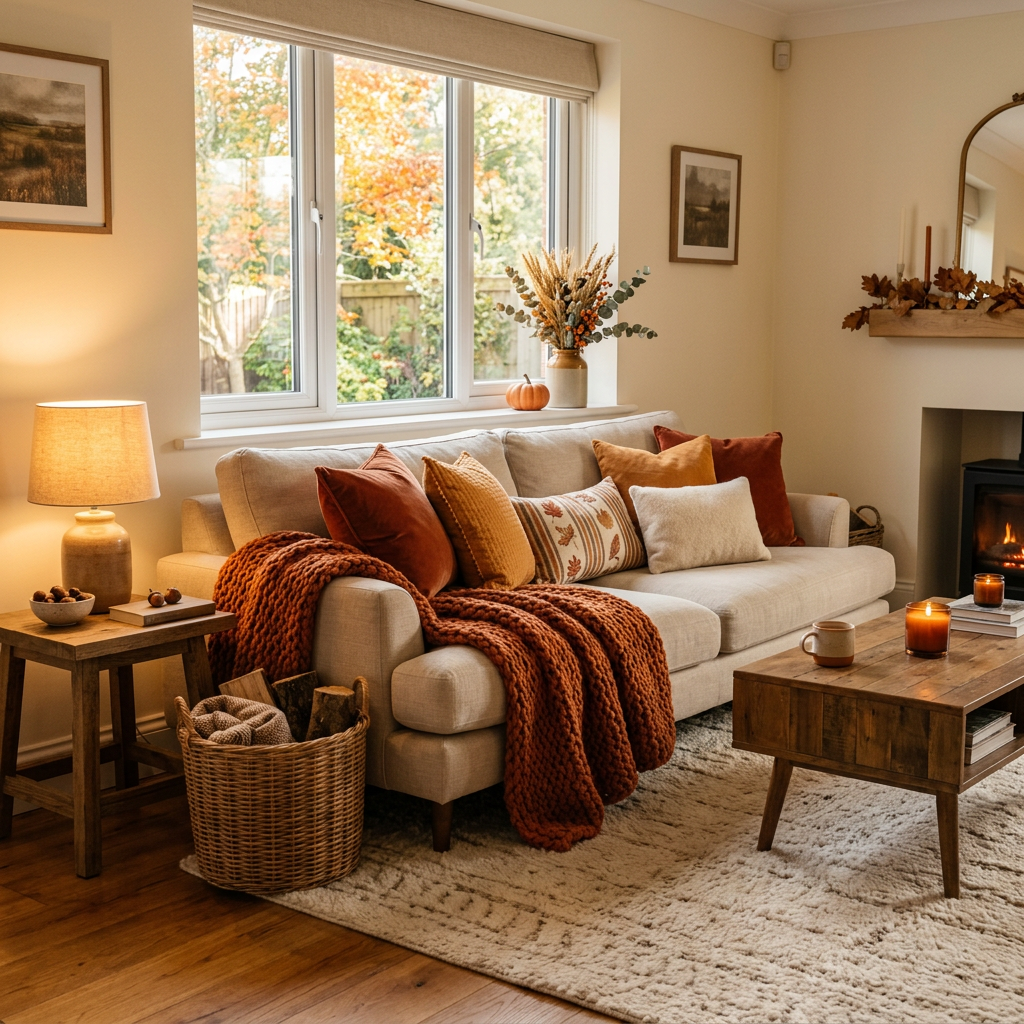
Choose Warm, Earthy Colors
Bungalows pair beautifully with colors inspired by nature.
Popular choices include:
- Sage green
- Olive
- Warm cream
- Soft taupe
- Terracotta
- Rust
- Mustard
- Deep navy
- Forest green
These colors complement the home’s handcrafted character.
Highlight Built-In Features
If your bungalow has built-in bookcases or window seats, let them become focal points.
Style shelves with:
- Vintage books
- Plants
- Handmade pottery
- Framed family photos
- Woven baskets
Avoid overcrowding; curated displays help architectural details shine.
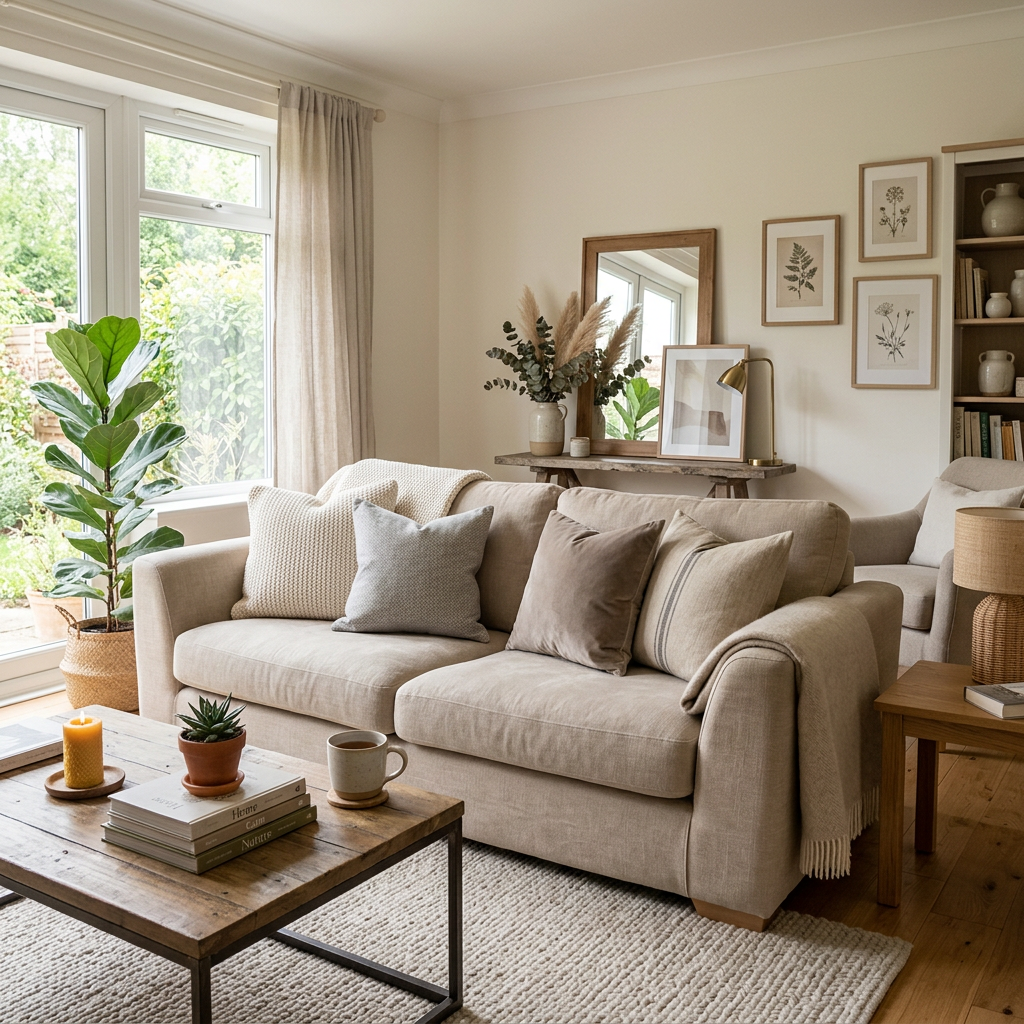
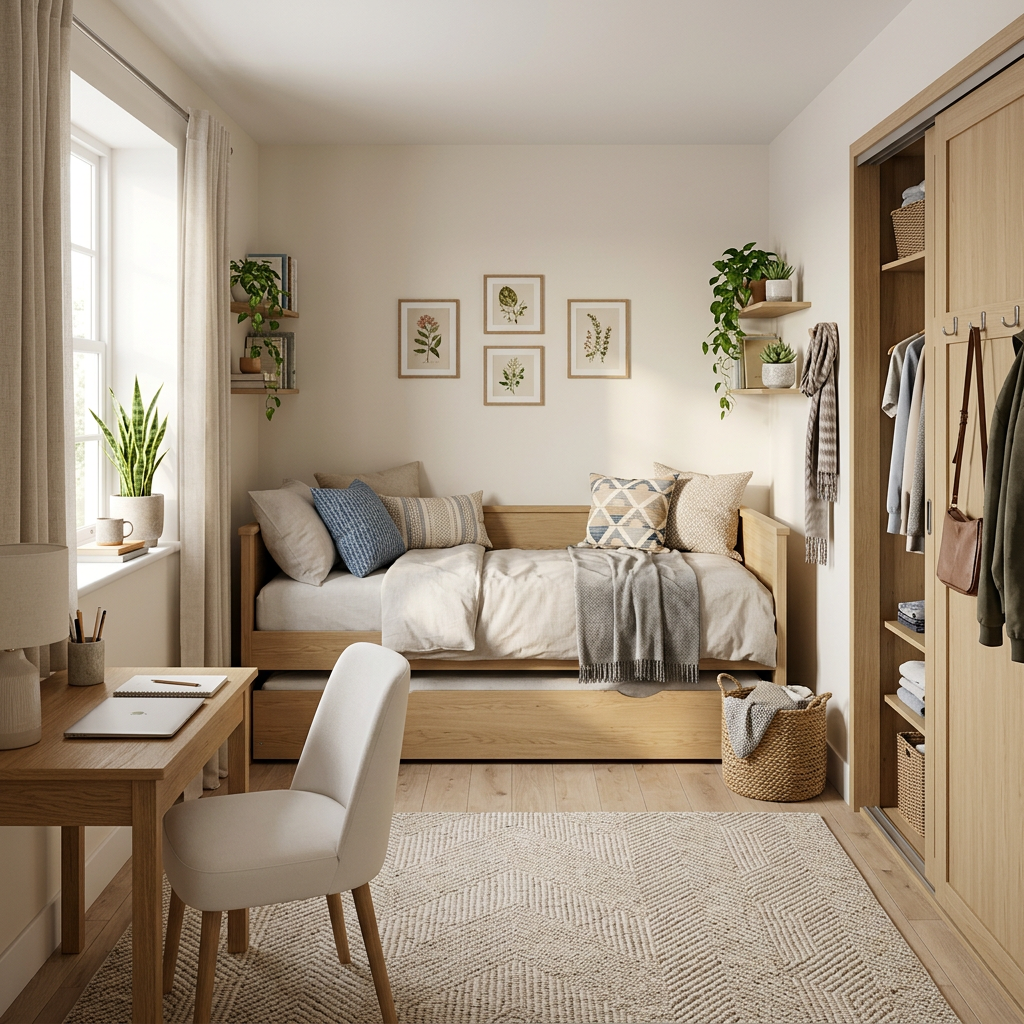
Keep Furniture Proportional
Many bungalows have smaller rooms. Instead of oversized sectionals, choose furniture with slimmer profiles and visible legs to maintain an open feel. Look for pieces that balance comfort with scale.
Layer Natural Textures
Bring warmth into your home by mixing materials such as:
- Linen curtains
- Cotton throws
- Wool rugs
- Leather chairs
- Woven baskets
- Rattan accents
- Ceramic vases
- Solid wood furniture
Texture adds depth without overwhelming the space.
Make the Front Porch an Extension of Your Home
The porch is one of a bungalow’s defining features. Create an inviting outdoor room with:
- Rocking chairs
- Porch swings
- Outdoor rugs
- Lantern lighting
- Seasonal planters
- Small side tables
- Cozy cushions
A thoughtfully styled porch enhances curb appeal and encourages relaxation.
Mix Vintage and Modern
A bungalow doesn’t have to feel like a museum. Blend original architectural details with updated furnishings by incorporating:
- Modern lighting
- Minimalist artwork
- Contemporary sofas
- Vintage wood furniture
- Brass hardware
- Black accents
This mix keeps the home feeling timeless rather than dated.
Decorating Mistakes to Avoid
When decorating a bungalow, keep these common pitfalls in mind:
- Covering original hardwood floors with wall-to-wall carpet.
- Painting beautiful wood trim without considering its historical value.
- Filling rooms with oversized furniture that overwhelms the scale.
- Ignoring architectural details like built-ins and fireplaces.
- Choosing cold, stark color palettes that clash with the home’s warmth.
- Overdecorating every surface instead of letting craftsmanship take center stage.
Respecting the home’s proportions and original features often produces the most beautiful results.

Why Bungalows Continue to Stand the Test of Time
More than a century after they first became popular, bungalow homes remain highly sought after because they offer something many modern homes struggle to provide: authenticity.
Their thoughtful layouts encourage connection. Their handcrafted details celebrate quality over excess. Their welcoming porches invite neighbors to gather, and their manageable size makes everyday life feel simpler and more intentional.
In a world where homes often seem to get bigger and more complex, the bungalow reminds us that beauty doesn’t depend on square footage. It comes from thoughtful design, timeless craftsmanship, and spaces that make us feel truly at home.
Whether you’re restoring a century-old Craftsman bungalow or decorating a newly built home inspired by this classic style, embracing its warmth, natural materials, and architectural charm will help create a home that feels inviting for years to come.

Leave a Reply