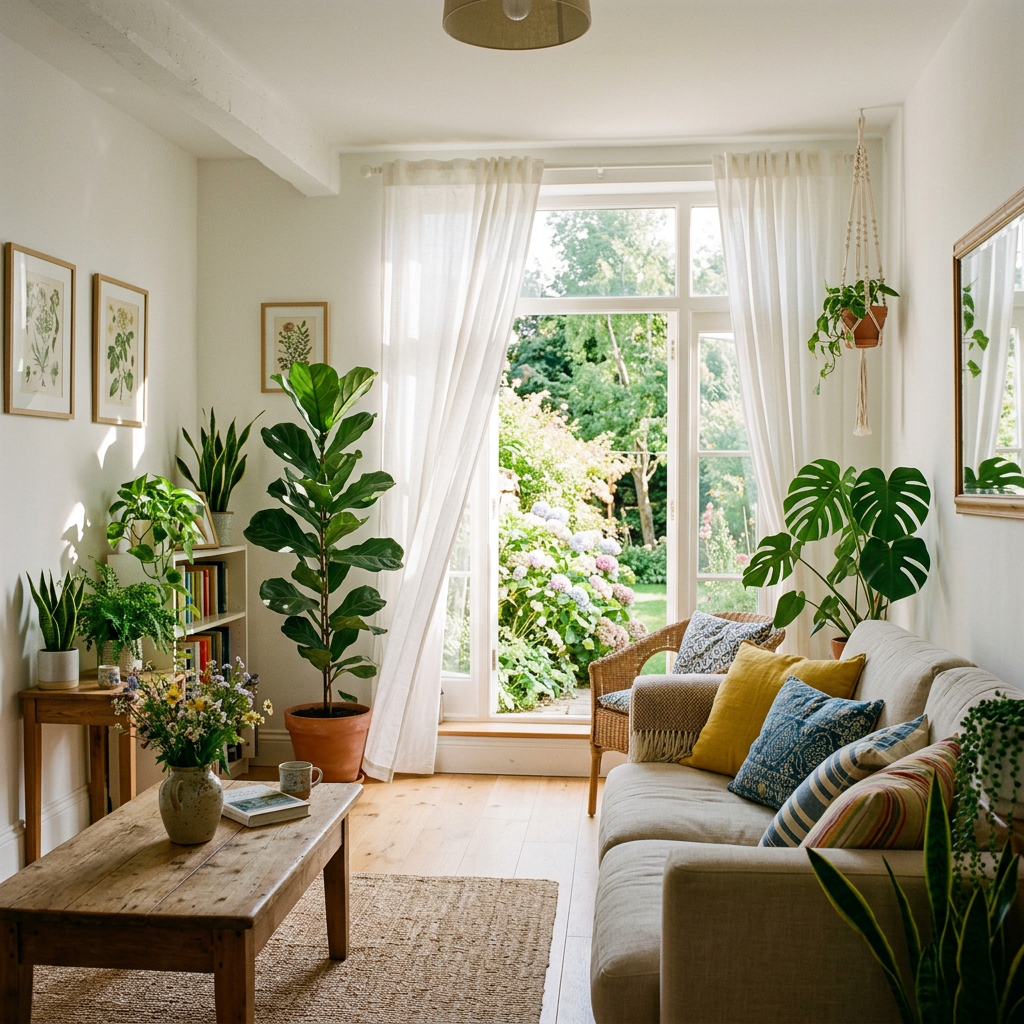
Beat the heat, lower your energy bills, and stay comfortable all summer long.
Summer sunshine is wonderful—until your home starts feeling like an oven. While air conditioning is one of the easiest ways to cool down, running it from morning until bedtime can send your electricity bill soaring. Fortunately, there are plenty of simple, affordable ways to keep your home cooler without relying on your AC 24/7.

Whether you live in a house, apartment, condo, or townhouse, these practical tips can help you stay comfortable while reducing energy costs.

Why Does Your Home Get So Hot?
Before solving the problem, it helps to understand where the heat comes from.
Your home naturally absorbs heat through:
- Windows
- Roofs
- Exterior walls
- Attics
- Doors
- Appliances
- Electronics
- Cooking
- Lighting
The goal isn’t just cooling the air—it’s preventing heat from entering in the first place.
1. Close Your Curtains and Blinds
One of the easiest ways to cool your home is by blocking direct sunlight. South- and west-facing windows often let in the most heat during the afternoon.
Consider using:
- Blackout curtains
- Thermal curtains
- Cellular shades
- Light-colored curtains
- UV window film
Keeping curtains closed during the hottest part of the day can significantly reduce indoor temperatures.
Pro Tip: Open them again after sunset to let cooler evening air brighten your home.
2. Open Windows at the Right Time
Many people leave their windows open all day. Unfortunately, if it’s 92°F outside, you’re simply letting hot air inside.
Instead:
- Open windows early in the morning.
- Close them before temperatures climb.
- Reopen them after sunset.
- Create cross-ventilation by opening windows on opposite sides of your home.
Fresh air circulating naturally often makes a home feel much cooler.
3. Use Ceiling Fans Correctly
Did you know your ceiling fan has two directions? During summer: ✔ Run fans counterclockwise. This pushes cool air downward and creates a refreshing breeze.
Remember: Fans cool people, not rooms. Turn them off when no one is using the room to save electricity.
4. Create a DIY Cross Breeze
No central air? No problem. Place one fan facing inward on the shady side of your home. Place another fan facing outward on the opposite side. This creates a tunnel that pulls hot air out while bringing cooler air inside. It’s surprisingly effective during mornings and evenings.
5. Avoid Heating Up Your Kitchen
Cooking generates an incredible amount of indoor heat.
Instead of using:
- The oven
- Large stovetops
- Long baking sessions
Try:
- Slow cookers
- Pressure cookers
- Air fryers
- Outdoor grills
- Microwave meals
- Fresh salads
- Sandwiches
- Fruit bowls
Even preparing dinner after sunset can make a noticeable difference.
6. Switch to LED Lighting
Older incandescent bulbs waste energy by producing heat.
LED bulbs:
- Stay cooler
- Use less electricity
- Last much longer
- Reduce indoor heat buildup
This is a simple upgrade with long-term savings.
7. Unplug Electronics You’re Not Using
Many electronics continue generating heat even when turned off.
Los ejemplos incluyen:
- TVs
- Gaming systems
- Computers
- Chargers
- Coffee makers
- Impresoras
Using power strips makes it easy to completely shut off multiple devices at once.
8. Seal Air Leaks
Cool air can escape through tiny cracks around:
- Windows
- Doors
- Electrical outlets
- Baseboards
Weather stripping and caulk are inexpensive solutions that improve energy efficiency year-round. Your home stays cooler while your AC works less.
9. Add Indoor Plants
Plants aren’t just beautiful. Many also help cool spaces by releasing moisture through a natural process called transpiration.
Popular choices include:
- Snake plants
- Peace lilies
- Areca palms
- Boston ferns
- Rubber plants
- Spider plants
They add freshness while enhancing your home’s décor.
10. Reduce Indoor Humidity
Humidity makes warm temperatures feel even hotter.
Ways to lower humidity include:
- Running bathroom exhaust fans after showers
- Using kitchen exhaust fans while cooking
- Emptying dehumidifiers regularly
- Fixing plumbing leaks
- Drying clothes outside when possible
Lower humidity often makes your home feel several degrees cooler.
11. Upgrade Your Bedding
Sleeping comfortably during summer starts with breathable fabrics.
Choose:
- Cotton sheets
- Linen bedding
- Bamboo sheets
- Lightweight blankets
Avoid thick comforters until cooler weather returns.
12. Shade the Outside of Your Home
Prevent heat before it reaches your windows.
Consider:
- Outdoor shades
- Retractable awnings
- Shade sails
- Pergolas
- Trees
- Large shrubs
Natural shade can dramatically reduce indoor temperatures.
13. Keep Interior Doors Open
Allowing air to move freely between rooms improves circulation. If one room gets particularly hot, placing a fan near the doorway helps distribute cooler air throughout the home.
14. Upgrade Your Attic Insulation
Many homeowners overlook the attic. Poor insulation allows extreme heat to transfer into living spaces.
Better insulation can:
- Lower energy costs
- Improve year-round comfort
- Reduce AC usage
- Protect your roof
Although it’s a larger investment, it often pays for itself over time.
15. Use Cooling Fabrics Throughout Your Home
Swap heavy materials for lightweight alternatives.
Consider:
- Cotton throw blankets
- Linen curtains
- Lightweight area rugs
- Breathable furniture covers
Your home will instantly feel lighter and more suited for summer.
Budget-Friendly Cooling Ideas
You don’t need expensive renovations to stay cool.
Affordable upgrades include:
- Blackout curtains
- Box fans
- Weather stripping
- Window film
- LED light bulbs
- Indoor plants
- Reflective blinds
- Reusable cooling towels
Many of these improvements cost less than a single month of high AC bills.
A Summer Story: Making a Cool Home on a Budget
When Melissa opened her June electric bill, she nearly spilled her iced tea. It was the highest bill she’d ever received, and summer had only just begun. Determined to avoid another expensive month, she challenged herself to keep her home cool without running the air conditioner nonstop.
She started small by closing her blackout curtains every morning before leaving for work. She swapped out the last of her old incandescent bulbs for LEDs, unplugged electronics that weren’t in use, and picked up a pair of inexpensive box fans from a local discount store. Instead of baking dinner in the oven, she grilled outdoors a few nights a week and made fresh salads on the hottest days.
Within a week, Melissa noticed her home felt noticeably cooler, especially in the evenings. By the end of the month, her energy bill had dropped, and she realized that staying comfortable didn’t require expensive renovations—just a few thoughtful changes. Best of all, her living room looked brighter and more inviting thanks to a few new indoor plants and airy linen curtains that complemented her summer décor.
Is it cheaper to leave the AC on all day?
Generally, no. It’s usually more energy-efficient to raise the thermostat while you’re away and use additional cooling strategies like fans, window coverings, and proper insulation.
Do fans actually cool a room?
Fans don’t lower the room’s temperature. They create airflow that helps your body feel cooler by increasing evaporation from your skin.
What color curtains keep a room cooler?
Light-colored, thermal, or blackout curtains are excellent options because they reflect sunlight and reduce heat gain.
What’s the biggest source of heat in most homes?
Windows are one of the largest contributors, especially those that receive direct afternoon sunlight.

Final Thoughts
Keeping your home cool doesn’t have to mean running the air conditioner around the clock. By combining simple habits—like blocking sunlight, improving airflow, reducing indoor heat sources, and making a few smart home upgrades—you can enjoy a more comfortable living space while lowering your energy bills.
Small changes often have the biggest impact. Start with one or two of these ideas today, and you’ll likely notice a cooler, more relaxing home before the next heat wave arrives.





Leave a Reply