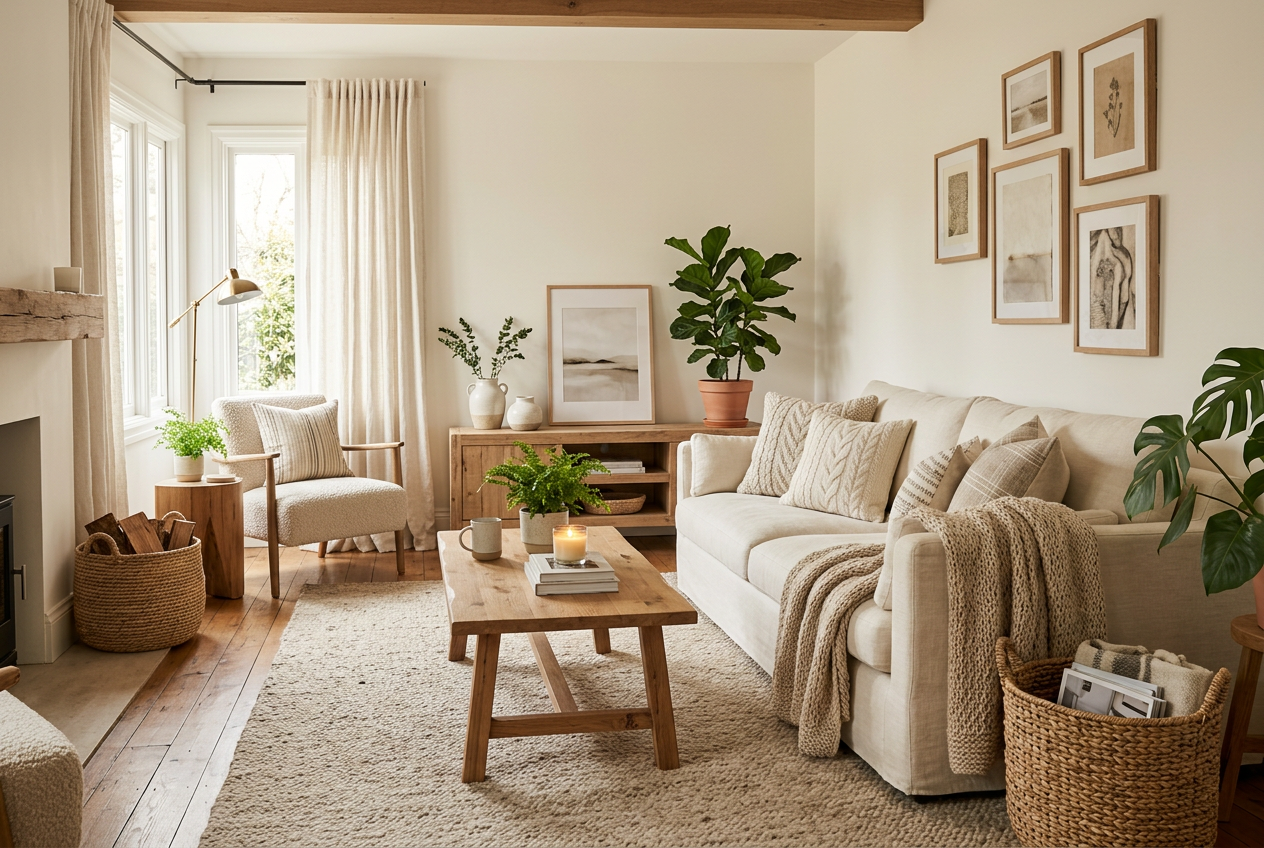
Have you ever walked into someone’s home, looked around, and thought, I love how this looks, but I have no idea how to make my home look like that? Maybe you have browsed Pinterest, visited a furniture store, or flipped through a home décor magazine, only to feel more confused about where to begin.

You know you want your home to look nice, feel comfortable, and reflect your personality, but choosing furniture, colors, accessories, and decorating styles can feel overwhelming when you don’t know what you like.

The good news is that you don’t need to have a decorating style before you begin. You don’t need to know the difference between contemporary and transitional, understand color theory, or have an eye for interior design. You can learn those things as you go.
Discovering your home style is a process of learning what you like, what feels right to you, and how to bring those things together in your home.
Whether you are decorating your first apartment, updating your current home, or starting over with a new space, let’s walk through how to begin creating a home that feels like yours.
1. Start With How You Want Your Home to Feel
Before choosing furniture or paint colors, think about how you want your home to make you feel. This may sound simple, but it can help guide almost every decorating decision you make.
When you walk through your front door after a long day, what kind of atmosphere do you want to experience? Do you want to feel relaxed, energized, welcomed, peaceful, or inspired?
Perhaps you want your home to feel cozy and warm, with soft blankets, warm lighting, and comfortable furniture. Maybe you prefer a clean, uncluttered environment where everything has a place. Or perhaps you love a home that feels elegant, with beautiful accessories, rich colors, and thoughtful details.
Start by choosing three words that describe the atmosphere you want your home to have. For example, comfortable, warm, and welcoming or elegant, peaceful, and simple.
Keep those three words in mind as you decorate. When you are deciding whether to purchase something, ask yourself if it helps create the feeling you want. This can prevent you from buying items simply because they are attractive but don’t fit the direction you want your home to take.
2. Pay Attention to What You Already Love
You may already have an idea of your style without realizing it. Look at your surroundings, the places you enjoy visiting, and even the colors you choose when shopping for clothes.
Do you love the atmosphere of a luxury hotel? Are you drawn to cozy coffee shops, modern restaurants, vacation homes, or beautifully decorated model homes? Think about what makes those spaces appealing to you.
Maybe you love the soft bedding and neutral colors in hotel rooms. Perhaps you enjoy the natural wood, greenery, and warm lighting in a coffee shop. You might be attracted to rooms with bold artwork, dramatic furniture, or lots of color.
Look around your own home, too. Is there a piece of furniture, artwork, rug, or decorative item you absolutely love? What makes it special to you? Is it the color, the shape, the texture, or the memories attached to it?
Your preferences are clues. Start paying attention to what you naturally gravitate toward instead of worrying about what is popular or what you think your home is supposed to look like.

3. Explore Decorating Styles to Find What Attracts You
You don’t have to memorize every decorating style, but learning a few of the basics can help you identify what you like. Think of decorating styles as inspiration, not strict rules you must follow.
- Modern: Clean lines, simple shapes, uncluttered spaces, and functional furniture.
- Farmhouse: Warm wood, comfortable furnishings, rustic touches, and welcoming details.
- Traditional: Classic furniture, decorative details, symmetry, and timeless patterns.
- Bohemian: Layered textiles, plants, patterns, natural materials, and creative expression.
- Coastal: Light colors, airy fabrics, natural textures, and relaxed surroundings.
- Transitional: A combination of classic and contemporary elements that feels balanced and timeless.
You may discover that you like more than one style. Maybe you love modern furniture but prefer farmhouse warmth. Maybe you enjoy traditional furniture but want contemporary artwork. That’s perfectly fine.
Your home does not have to fit into one category. Combining styles can make your home feel more personal and unique.
4. Create an Inspiration Collection
One of the easiest ways to discover your decorating style is to create a collection of images you love. Browse Pinterest, home décor websites, magazines, furniture stores, or social media and save pictures that catch your attention.
Don’t worry about whether the room is too expensive, too large, or unrealistic for your home. For now, focus on what you like.
Try collecting 15 to 20 images of rooms, furniture, lighting, colors, and accessories. Then look at them together and search for patterns.
Do you repeatedly save rooms with cream walls? Do you love dark furniture, gold accents, curved sofas, natural wood, or rooms with very little clutter? Are you drawn to colorful spaces or neutral ones?
These similarities can help you identify your preferences. You may discover that you love neutral colors with black accents, or that you prefer soft, cozy rooms with layers of textures.
You don’t need to name your style. Recognizing what you like is more important than knowing the decorating term for it.
5. Learn to Choose Colors That Work Together
Color can be intimidating when you are decorating for the first time. You may worry about choosing the wrong wall color, purchasing furniture that clashes, or mixing colors that don’t look good together.
A simple way to begin is by choosing three colors for a room: a main color, a secondary color, and an accent color.
Your main color will appear most often, perhaps on your walls, larger furniture, or rug. Your secondary color supports the main color and adds variation. Your accent color is used in smaller amounts to bring personality to the room.
For example, cream could be your main color, warm brown your secondary color, and black your accent. Or you could choose soft gray, dusty blue, and white. You could also use beige, sage green, and gold.
If you are unsure what colors to choose, start with an item you already own and love. A rug, piece of artwork, pillow, or comforter can serve as your inspiration. Pull two or three colors from that item and use them throughout the room.
You don’t need to use every color everywhere. Repeating a few colors in different places helps a room feel connected.

6. Understand That Furniture Doesn’t Have to Match
Many beginners believe that furniture must be purchased as a matching set to make a room look good. While matching furniture can create a coordinated appearance, it is not the only way to decorate.
You can mix different furniture colors, materials, and styles as long as they feel connected. A cream sofa may look beautiful with a dark wood coffee table. A black metal end table may complement a natural wood TV stand. A modern accent chair can work beside a traditional sofa.
When choosing furniture, consider the size of the room, the shape of the pieces, the colors, and how you will use them. Think about comfort and functionality, not just appearance.
Instead of purchasing everything at once, take your time finding pieces you love. Your home can come together gradually, and you may find that mixing items gives your space more personality than buying an entire furniture collection.
7. Add Texture to Make Your Home Feel Complete
If you love neutral colors but worry your home may look boring, texture can make a big difference. Texture adds visual interest and makes a room feel layered and inviting without requiring lots of color.
Think about combining different materials, such as wood, linen, velvet, glass, metal, woven baskets, ceramic, and soft fabrics.
For example, a neutral sofa can be styled with textured pillows and a throw blanket. A smooth coffee table can be paired with a woven basket or ceramic vase. A simple room can feel more finished with a textured rug and natural wood accents.
As you shop, pay attention to how materials look and feel. You don’t have to fill your home with accessories. A few different textures can create depth and make a space feel thoughtfully decorated.
8. Lighting Can Change the Entire Room
Sometimes a room doesn’t feel right, even when you have nice furniture and décor. The problem may be lighting.
Instead of relying on one overhead light, try incorporating different lighting sources. Table lamps, floor lamps, wall sconces, and accent lighting can make a room feel warmer and more inviting.
Think about how you use each space. Bright lighting may be helpful in a kitchen or workspace, while softer lighting may be more comfortable in a living room or bedroom.
Lighting also affects how colors appear. Before committing to a paint color, look at it at different times of the day. Natural light, warm bulbs, and cool bulbs can change the appearance of a color.
A few thoughtfully placed lamps can make a room feel more comfortable without replacing any furniture.
9. Decorate With Intention Instead of Filling Every Space
When you begin decorating, it can be tempting to purchase lots of accessories to make your home feel finished. Candles, vases, trays, wall art, picture frames, and decorative objects are fun to shop for, but too many items can make a room feel cluttered.
Before purchasing something, ask yourself where it will go, whether it works with your colors, and whether it helps create the atmosphere you want.
You don’t have to decorate every shelf, wall, table, or corner. Leaving some empty space can help your room feel balanced and allow your favorite pieces to stand out.
Sometimes removing items is just as important as adding new ones.
10. Start With One Room and a Realistic Budget
You don’t need to transform your entire home at once. Choose one room or even one small area to begin with.
Start by identifying what you love, what isn’t working, and what you would like to change. Make a list of your priorities and determine how much you can comfortably spend.
Before shopping, try rearranging your furniture, moving artwork, changing pillow covers, adding a throw, or reorganizing your shelves. You may be able to create a noticeable change without spending anything.
If you do need to purchase items, prioritize the things that will make the biggest difference. Perhaps your room needs better lighting, a rug, curtains, or a more functional furniture arrangement before it needs additional décor.
Decorating on a budget doesn’t mean your home can’t look beautiful. It means making thoughtful decisions and giving yourself time to create the space you want.

Your Style Will Develop as You Go
Discovering your home style doesn’t happen in one afternoon. Your preferences may change as you learn, experiment, and experience different spaces. You may begin with a love for farmhouse décor and later discover you prefer a more modern look. You may start with neutral colors and eventually introduce more color and pattern.
That’s okay. Your home should evolve with you.
Don’t feel pressured to have everything perfectly decorated or to make your home look like someone else’s. Start by noticing what you love, exploring new ideas, and making small changes that feel right.
You don’t need to be a designer to create a beautiful home. You simply need to give yourself permission to experiment, make decisions, and discover your own preferences.
Your home style isn’t something you have to know before you begin. It’s something you create, one choice at a time.
Start where you are, use what you have, and let your home tell your story.
Discover comfort. Discover purpose. Discover life with meaningful home décor.



Leave a Reply