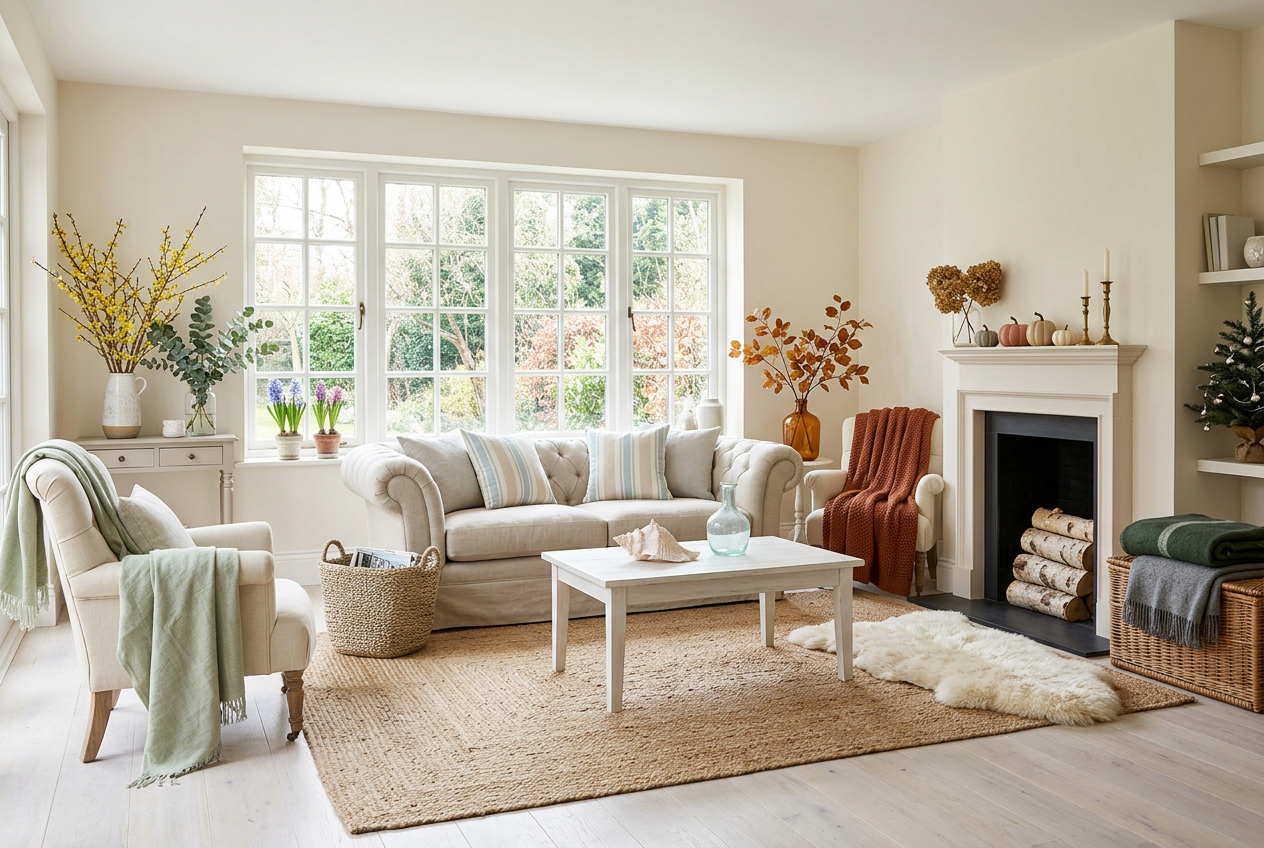
Have you ever noticed how Seasonal Room Decorating can make your home feel different simply because the seasons have changed? The same living room that feels bright, airy, and refreshing in the spring may feel a little cold when winter arrives. A bedroom that feels perfect during the summer may suddenly need warmer textures, softer lighting, and a few cozy layers in the fall. Even without changing your furniture, a room can take on an entirely new personality with a few thoughtful decorating adjustments.

Seasonal decorating is more than putting up holiday decorations or changing your front door wreath. It is a way of allowing your home to reflect the changing environment outside while creating a space that feels comfortable, welcoming, and appropriate for the time of year. Some people decorate for every season, while others make only a few small changes throughout the year. There is no right or wrong way to do it.

The beauty of Seasonal Room Decorating is that it does not have to be expensive, complicated, or time-consuming. With planning and versatile decorative pieces, you can refresh your home throughout the year without redecorating every room.
Why Do People Decorate Their Homes for the Seasons?
Seasonal decorating is often associated with holidays, but the practice goes beyond celebrating Christmas, Easter, Halloween, or Thanksgiving. People decorate seasonally because they enjoy creating an environment that reflects how they feel during different times of the year.
Our surroundings can influence our moods. During the warmer months, many people naturally gravitate toward brighter colors, lighter fabrics, open windows, and fresh flowers. When temperatures begin to drop, we may find ourselves reaching for heavier blankets, warm lighting, richer colors, and softer textures. These changes often happen naturally because our needs change along with the weather.
Seasonal decorating also gives people something to look forward to. Changing a room can make an ordinary routine feel a little more exciting. Bringing out fall decorations, refreshing the bedroom for spring, or adding winter layers to the living room can create a sense of anticipation and enjoyment.
For some, decorating is a creative outlet. It is an opportunity to experiment with colors, textures, arrangements, and accessories without making permanent changes. For others, it is about creating a home that feels inviting to family and friends.
There is also something satisfying about making your home feel fresh again. Sometimes we become so accustomed to seeing the same furniture, artwork, and accessories every day that we stop noticing them. Rearranging a few items or introducing a new seasonal color can help us appreciate our spaces all over again.
Spring Decorating: Fresh, Light, and Renewed
Spring is often associated with renewal, growth, and fresh beginnings. After spending months surrounded by cold temperatures, darker evenings, and heavier winter fabrics, many people are ready to make their homes feel lighter.
Spring decorating does not require pastel colors everywhere or an abundance of floral patterns. The goal is to create a feeling of freshness and openness.
Begin by removing some of the heavier winter accessories. Thick throw blankets, dark pillow covers, faux fur accents, and winter-inspired decorations can be stored away until the next cold season. Replace them with lighter fabrics, breathable textures, and colors that make the room feel more open.
Colors such as soft green, pale blue, blush, cream, yellow, and warm white can work beautifully in spring. If your home already has a neutral color scheme, you do not need to introduce an entirely new palette. A few green pillows, a vase of fresh flowers, or a light-colored throw may be all you need.
Fresh flowers and greenery are especially effective during spring. Tulips, daffodils, hydrangeas, and branches with delicate blossoms can bring life to a room. If maintaining real flowers is not practical, quality faux greenery can offer a similar visual effect.
Spring is also a wonderful time to clean and reset your space. Wash curtains, clean windows, dust decorative accessories, and reorganize shelves. Seasonal decorating can begin with cleaning rather than shopping. Sometimes the most noticeable transformation comes from removing items that no longer belong in the room.

Summer Decorating: Creating a Relaxed and Airy Home
Summer decorating is about creating a home that feels relaxed, comfortable, and easy to live in. The temperatures are warmer, the days are longer, and many people spend more time entertaining, enjoying their patios, or simply relaxing at home.
During summer, consider simplifying your decorative arrangements. Rooms can feel more comfortable when there is less visual clutter. Remove accessories that make a space feel crowded and allow your furniture and architectural features to breathe.
Natural materials are excellent choices for summer decorating. Woven baskets, rattan, jute, linen, cotton, bamboo, and light wood can bring texture without making a room feel heavy. These materials also work well with neutral color palettes, making them easy to incorporate into many decorating styles.
Color can be introduced through smaller accessories. Blue, turquoise, coral, yellow, green, or sandy beige can create a summer-inspired atmosphere without requiring a permanent commitment. You might choose a few decorative pillows, a table runner, new artwork, or a centerpiece.
One of the easiest ways to make a room feel seasonal is to change the textiles. Replace heavy curtains with lighter options if practical, use cotton or linen bedding, and choose thinner throws for the sofa. The goal is to make your home feel comfortable during warmer temperatures.
Do not forget about the transition between indoor and outdoor living. If you have a patio, porch, balcony, or backyard, consider carrying a few colors or design elements from your indoor spaces outside. Coordinating cushions, outdoor rugs, lanterns, and planters can make your home feel cohesive.
Fall Decorating: Warmth, Texture, and Comfort
Fall is one of the most popular seasons for decorating. The changing leaves, cooler temperatures, and return of comfortable evenings indoors make it a natural time to introduce warmth into the home.
Fall decorating often focuses on richer colors and layered textures. Rust, terracotta, caramel, chocolate brown, burgundy, olive green, mustard, and warm cream are colors that can make a room feel cozy without overwhelming it.
You do not need to decorate every surface with pumpkins to create a fall atmosphere. In fact, a more subtle approach can make your home feel sophisticated and seasonally appropriate long after the first week of autumn.
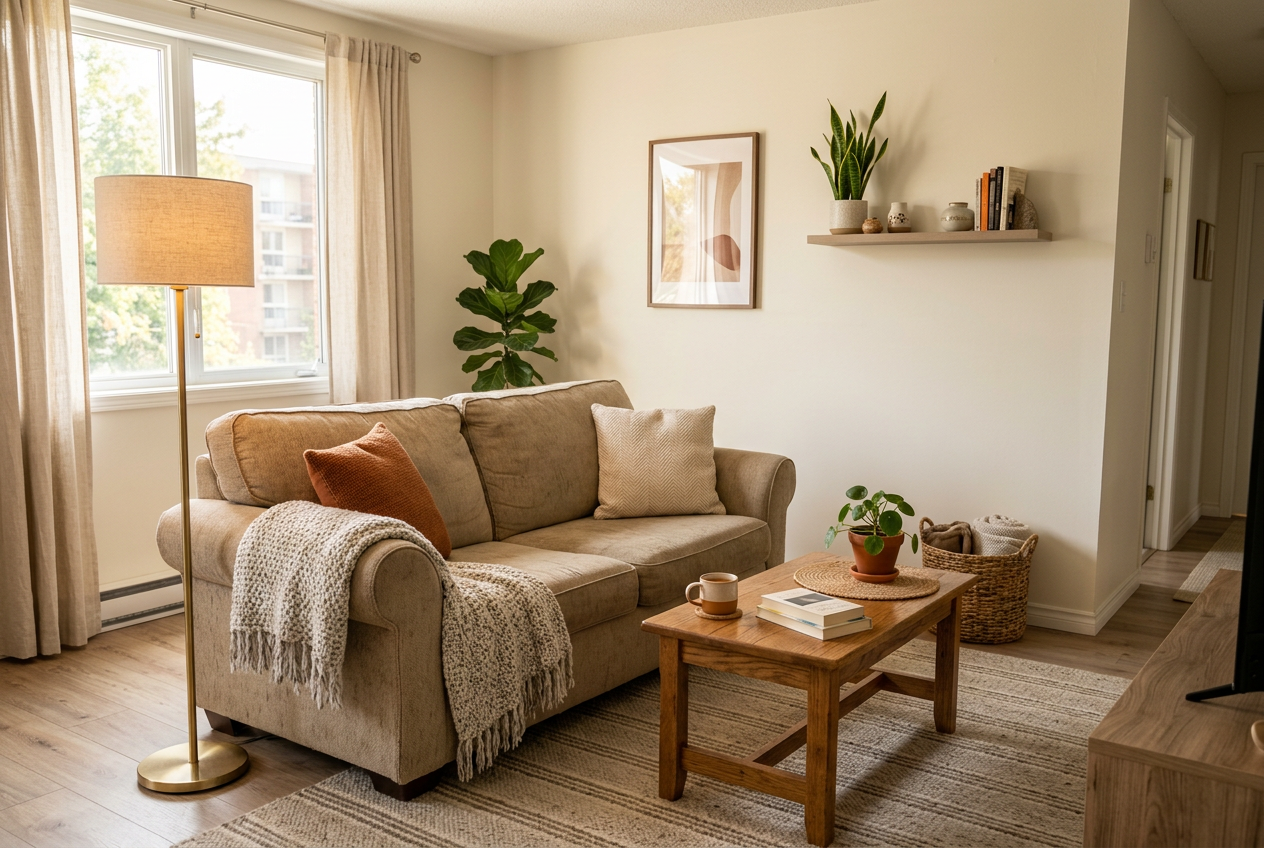
Start with your existing color palette. If your living room is gray, cream, or beige, you might add rust-colored pillows, a caramel throw, or a warm brown decorative vase. If your room already contains wood furniture, these colors can complement the natural tones beautifully.
Texture is especially important during fall. Knit blankets, velvet pillows, textured rugs, woven baskets, and heavier curtains can make a room feel warmer. Even if you do not change your furniture, adding layers can completely alter the feeling of a space.
Lighting is another important element. As the days become shorter, lamps, candles, and soft ambient lighting become more noticeable. Replace harsh overhead lighting with a combination of table lamps, floor lamps, and warm bulbs whenever possible. The right lighting can make an ordinary evening feel much more inviting.
Fall decorating can also include natural elements such as branches, dried flowers, pinecones, decorative leaves, and seasonal fruits. These items bring a little of the outdoors inside and can be used in simple arrangements on coffee tables, dining tables, mantels, or entryway consoles.

Winter Decorating: Making Your Home a Cozy Retreat
Winter is a season when comfort becomes a priority. Cold weather, shorter days, and more time spent indoors can make our homes feel like a retreat from the outside world.
Winter decorating does not have to mean decorating exclusively for Christmas. Once the holiday decorations are packed away, your home can still feel warm, beautiful, and seasonal.
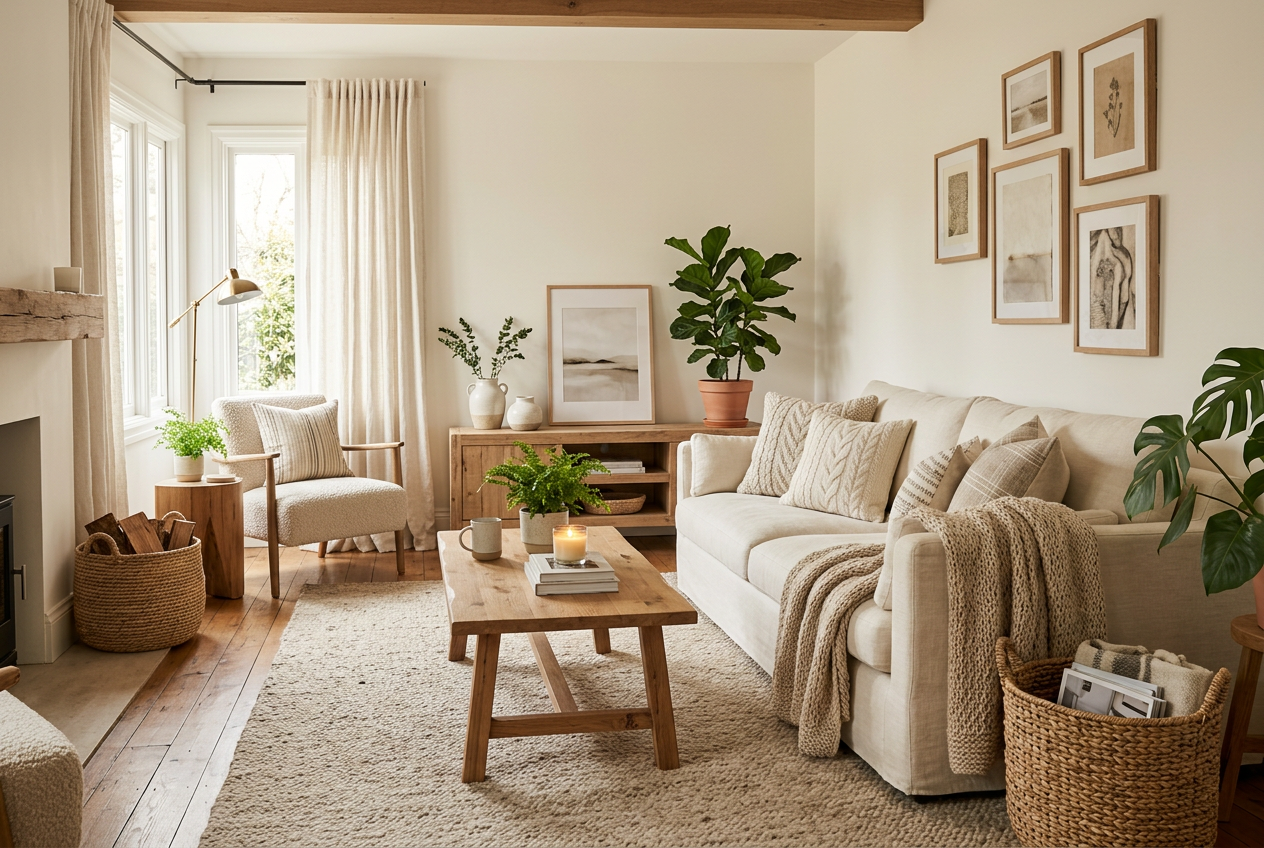
Think about the textures you introduce into the room. Chunky knit blankets, faux fur accents, soft wool, velvet, flannel, and thick area rugs can add warmth and visual interest. These materials make a room feel comfortable and inviting.
Winter color palettes can be dramatic or understated. Deep charcoal, navy, forest green, burgundy, chocolate brown, ivory, and metallic accents can all work beautifully. If you prefer a lighter look, use creams, whites, taupes, and soft gray with natural wood accents.
Candles, lanterns, and decorative lights can help create warmth even when the temperature outside is low. A soft glow from a lamp or candle can make a living room feel especially inviting during a winter evening.
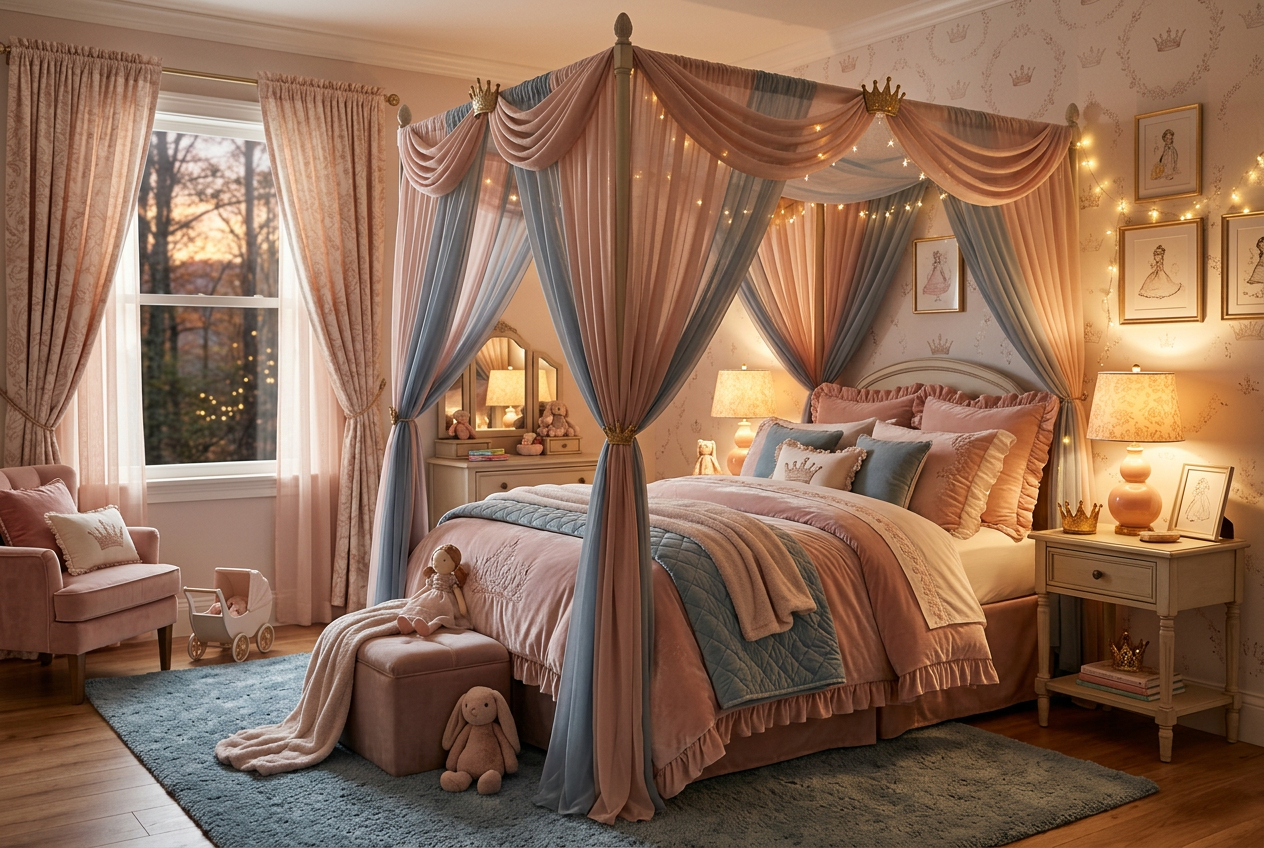
Consider the bedroom as well. Winter is a wonderful time to layer bedding, add a warmer comforter, introduce soft pillows, and use bedside lighting to create a peaceful atmosphere. Your bedroom should feel like a place where you can slow down, relax, and recharge.
The key to winter decorating is creating warmth without making the space feel crowded. A few intentional layers can be more effective than filling every corner with decorations.
How to Decorate Seasonally Without Spending a Lot of Money
One of the biggest misconceptions about seasonal decorating is that you need to purchase an entirely new collection of decorations every few months. That can quickly become expensive and can lead to storage problems.
Instead, build your seasonal decorating collection slowly.
Start with a neutral foundation. Furniture, rugs, curtains, and larger decorative pieces are often expensive to replace. Choosing versatile colors for these items allows you to change the room’s appearance using smaller, more affordable accessories.
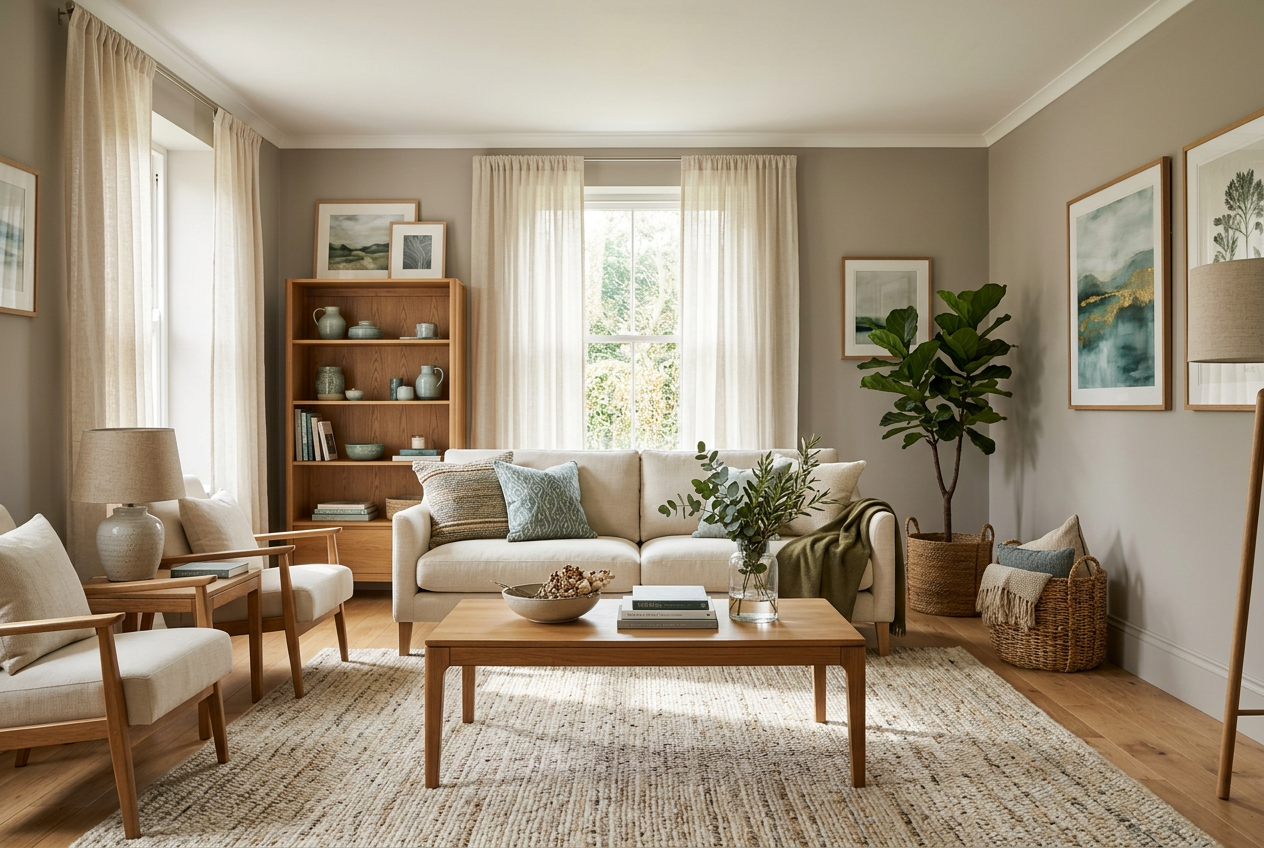
For example, a cream sofa can work with blush and green pillows in spring, blue and white accessories in summer, rust and brown pillows in fall, and charcoal or burgundy accents in winter. The sofa remains the same, but the room changes.
Focus on items that are easy to store and replace, such as decorative pillow covers, throw blankets, table runners, small vases, seasonal greenery, decorative trays, artwork, candles, wreaths, and small tabletop decorations.
Pillow covers are especially useful because you can store several seasonal sets without taking up much space. Rather than purchasing multiple pillows, invest in pillow inserts and change the covers as needed.
Shopping your own home is another excellent way to save money. Before purchasing anything new, look through your closets, storage bins, and other rooms. You may already own decorative pieces that can be used in a different space or arranged in a new way.
You can also find affordable seasonal decorations at thrift stores, yard sales, discount retailers, and clearance sections. The best time to purchase seasonal decorations is often after the season ends, when stores reduce prices to clear inventory.

How to Create a Seasonal Decorating Plan
If you want seasonal decorating to feel enjoyable rather than overwhelming, create a simple plan.
Begin by deciding which rooms you want to decorate. You do not have to change every room in your home. The living room, entryway, dining area, and bedroom are often the easiest places to make seasonal changes because they are frequently used and visible.
Next, decide what elements you want to change each season. Perhaps your plan is to change pillow covers and flowers in the spring, add natural-inspired accessories in the summer, introduce warmer colors in the fall, and layer blankets and lighting in the winter.
Keeping the changes consistent can make decorating easier. You will not have to reinvent your home every three months. Instead, you can reuse your favorite pieces and add one or two new items when you feel inspired.
Create a designated storage area for seasonal decorations. Use labeled bins so you know exactly what belongs to each season. Store items carefully to prevent damage and avoid purchasing duplicates because you cannot find what you already own.
Most importantly, do not feel pressured to decorate according to a strict schedule. You can begin decorating for fall when you feel ready, keep spring decor out a little longer, or skip a season altogether. Decorating should work around your lifestyle, not become another responsibility.
Seasonal Decorating Does Not Mean Changing Your Style
One of the most important things to remember is that seasonal decorating should complement your personal style.
For lovers of modern minimalism, seasonal decorating can involve simple color changes, natural textures, and a few carefully selected accessories. If you love farmhouse decor, you might incorporate seasonal greenery, wooden accents, and textured fabrics. If your style is contemporary, you can use sculptural accessories, sophisticated colors, and modern floral arrangements.
You do not have to abandon your decorating style to celebrate the seasons. Instead, think of seasonal decorating as an extension of your existing design. Your home should still feel like your home in January, April, July, and October. The colors, textures, and accessories may change, but the overall character of your space can remain consistent.
This approach also makes decorating easier because you are not trying to create four completely different homes throughout the year.
Make Seasonal Decorating Enjoyable
Seasonal decorating should be something you enjoy, not something that creates stress or pressure to spend money.
Consider turning this into a family pastime, letting children help adorn the living room or create easy seasonal crafts. You can make it a personal tradition by refreshing your home on the first weekend of a new season. You can even take photographs of your room each season to see how small changes transform the space.
Sometimes, all a room needs is a little rearranging. Moving a chair closer to a window, changing the coffee table arrangement, replacing artwork, or introducing a different throw can create a fresh perspective without purchasing anything.
The best seasonal decorating ideas are often the ones that reflect your personality, your lifestyle, and the way you want to feel in your home.

Final Thoughts: Let Your Home Change With You
Seasonal room decorating is an opportunity to celebrate the changing year while making your home feel comfortable and inspiring. It allows you to introduce new colors, textures, and decorative elements without committing to permanent changes. It can help you reconnect with your home, appreciate what you already own, and create an environment that feels fresh throughout the year.
You do not need a large budget, a perfectly decorated home, or a storage room full of seasonal accessories. You simply need a willingness to make small changes that bring you joy.
Whether you prefer a few subtle touches or a complete seasonal refresh, let your home reflect the season in a way that feels natural to you. A home is meant to be lived in, enjoyed, and changed over time.
Sometimes, something as simple as a new throw blanket, a vase of flowers, or a different color on your sofa is enough to remind you that your home can feel new again.


Leave a Reply