
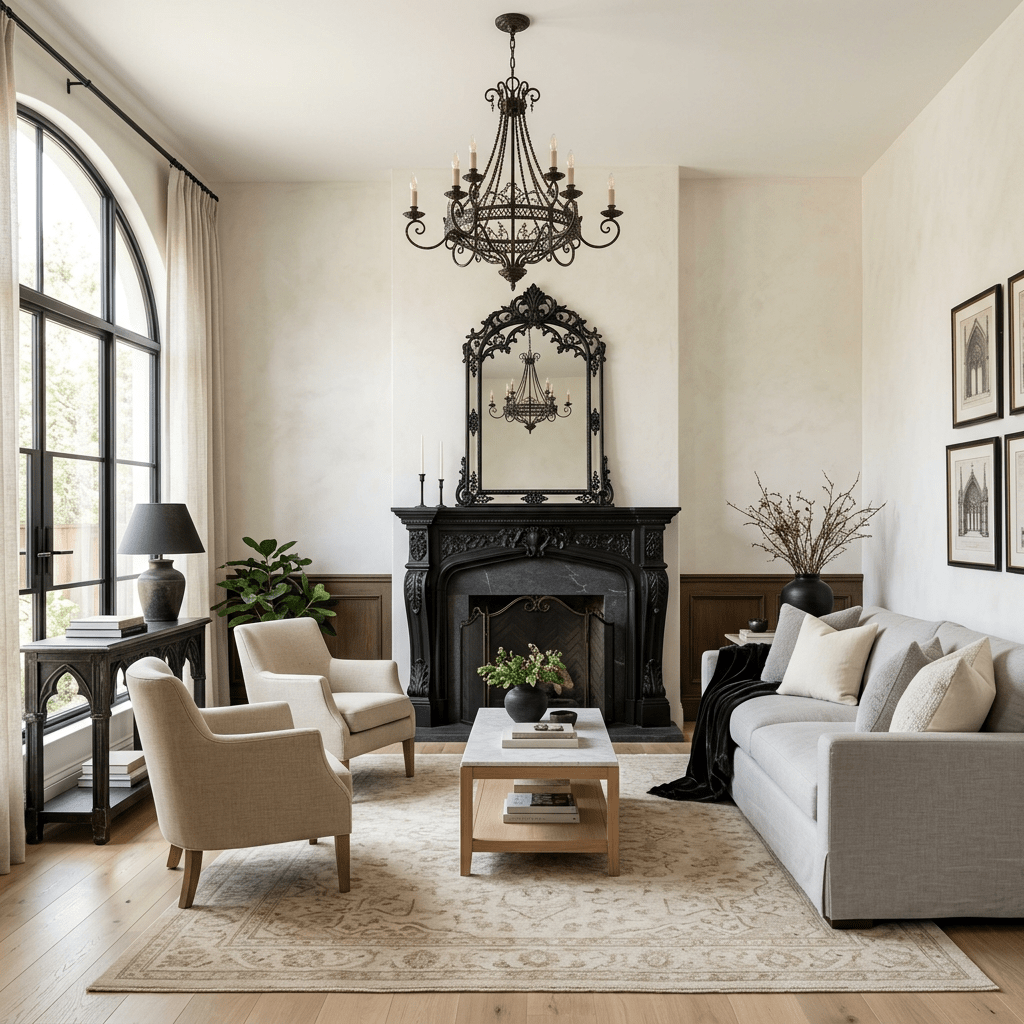
There’s something undeniably captivating about gothic style. It’s dramatic, emotional, and deeply expressive—filled with rich textures, intricate details, and a sense of mystery that feels almost cinematic. But let’s be honest: not everyone wants to live in a space that feels like a midnight cathedral every single day.
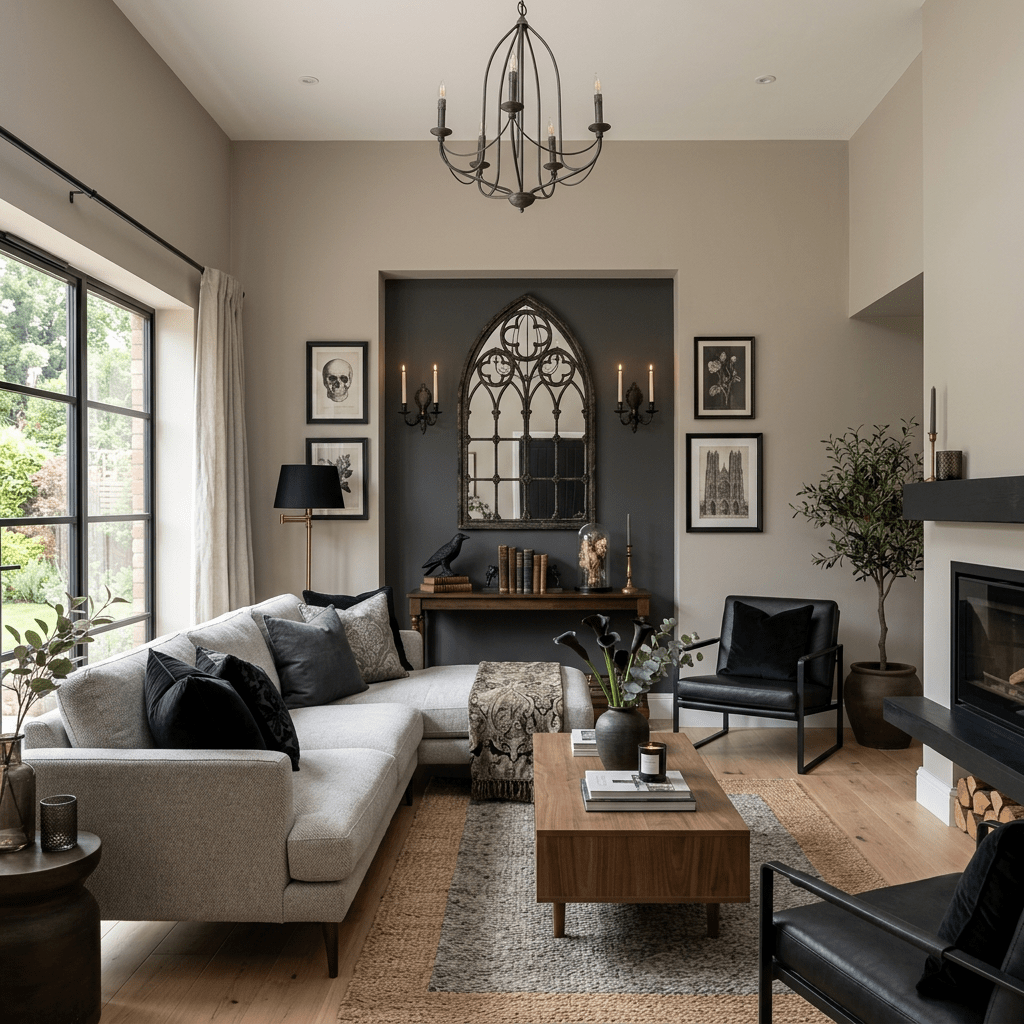
So the question becomes—can you love gothic style without committing to an all-black aesthetic?
Absolutely. In fact, some of the most stunning interiors today are doing exactly that: softening gothic elements, blending them with other styles, and creating spaces that feel both moody and livable.
Let’s explore how to find that perfect middle ground.
What Defines Gothic Style in Home Decor?
Before we tone it down, we need to understand what makes gothic style… gothic.
Traditionally, gothic interiors are known for:
- Deep, moody color palettes (black, burgundy, deep plum, forest green)
- Ornate details (carved wood, arches, dramatic frames)
- Luxurious fabrics (velvet, lace, brocade)
- Vintage or antique-inspired pieces
- A slightly mysterious, romantic atmosphere
But here’s the secret: gothic style is more about feeling than color.
It’s about drama, depth, and elegance—not just darkness.
Can You Do Gothic Without Everything Being Black?
Short answer? Yes—and it might look even better.
Going full black can sometimes make a space feel heavy or closed in, especially in smaller or low-light areas. But when you layer gothic elements into lighter or more neutral spaces, you get something incredibly balanced and visually interesting.
Try This Instead:
- Swap black walls for charcoal, deep gray, or moody taupe
- Use ivory, cream, or champagne tones as a base
- Add gothic accents through decor, not dominance
Think of it like this: You don’t need a fully gothic room—you need gothic moments.
How to Incorporate Gothic Style with Other Aesthetics
This is where the magic really happens. Mixing gothic with other styles creates a layered, designer-level look that feels intentional—not overwhelming.
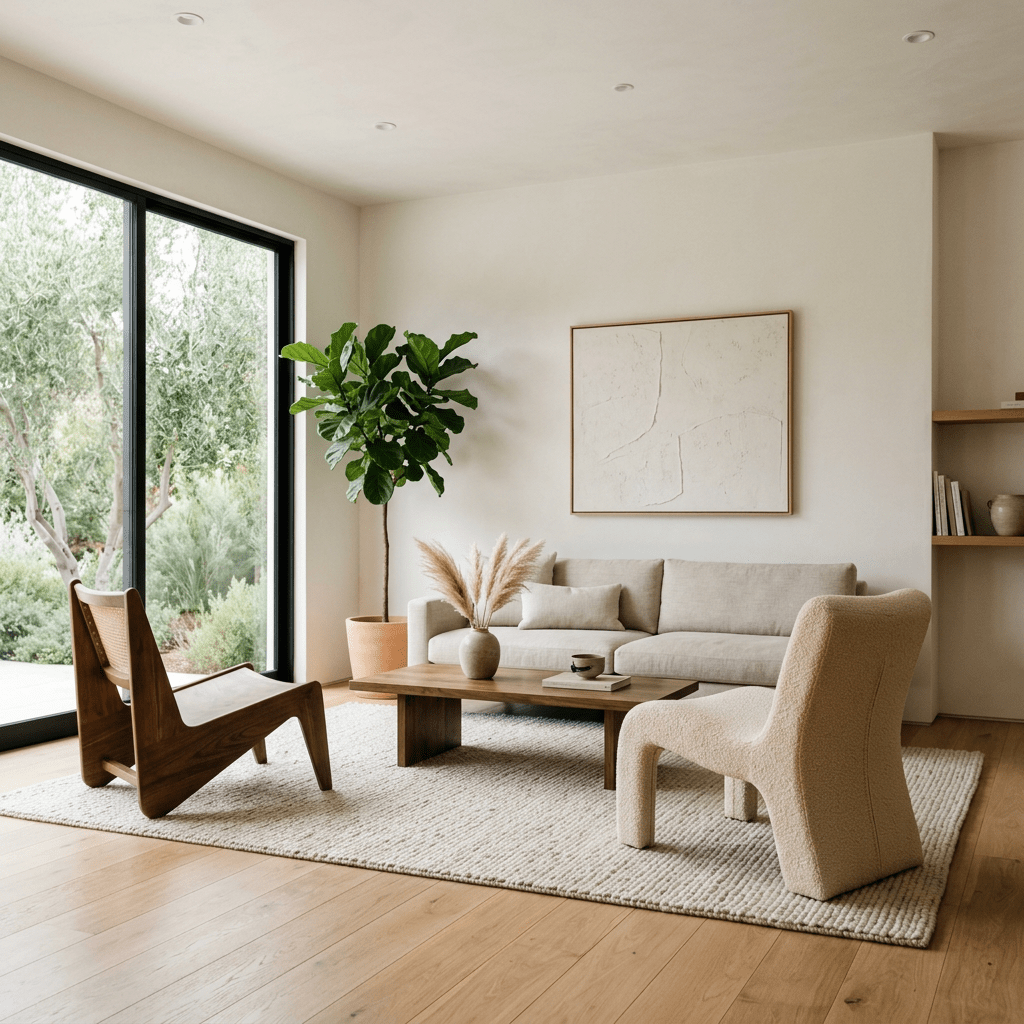
1. Gothic + Modern Minimalist
If you love clean lines but crave depth, this combo is perfect.
- Keep furniture simple and structured
- Add a statement gothic mirror or wall art
- Use black sparingly against neutral backdrops
- Incorporate matte finishes and subtle metallics (like rose gold or champagne)
Result: Sleek, moody, and effortlessly elevated.
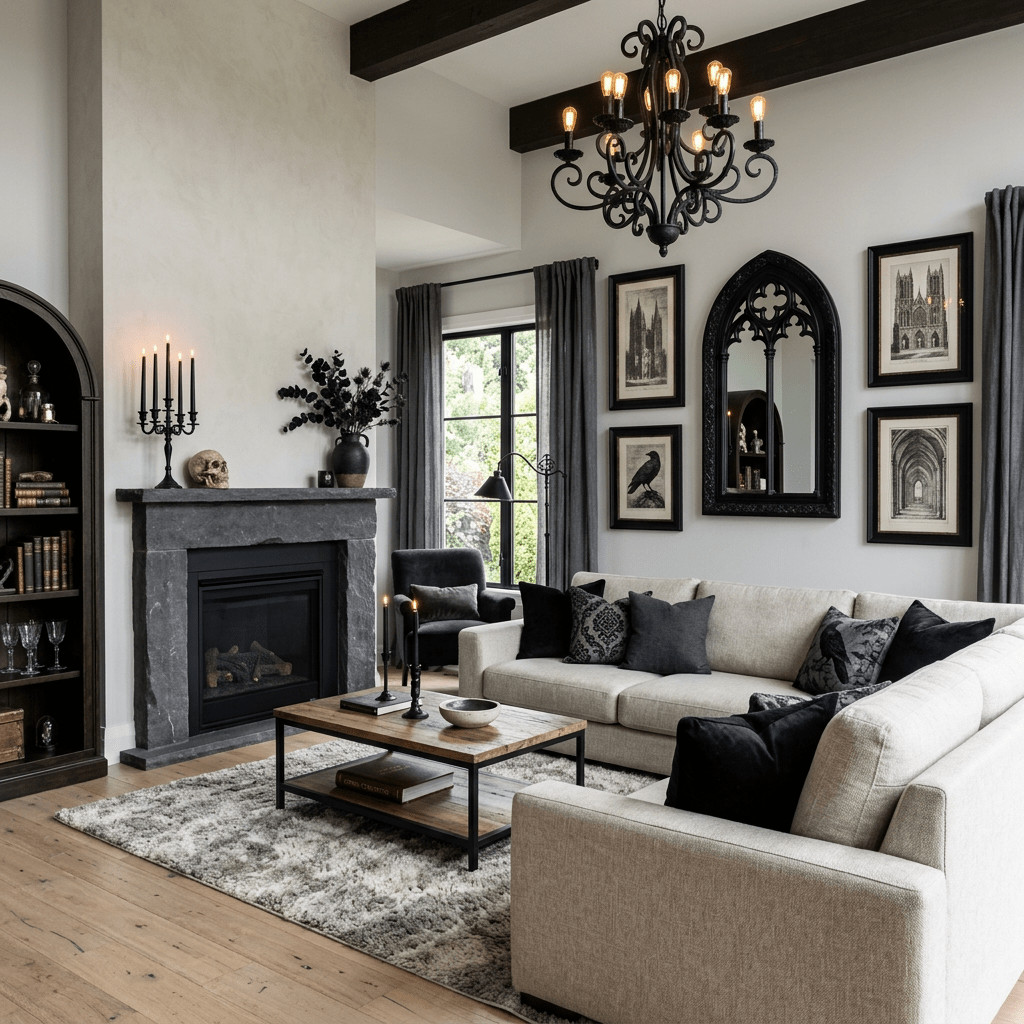
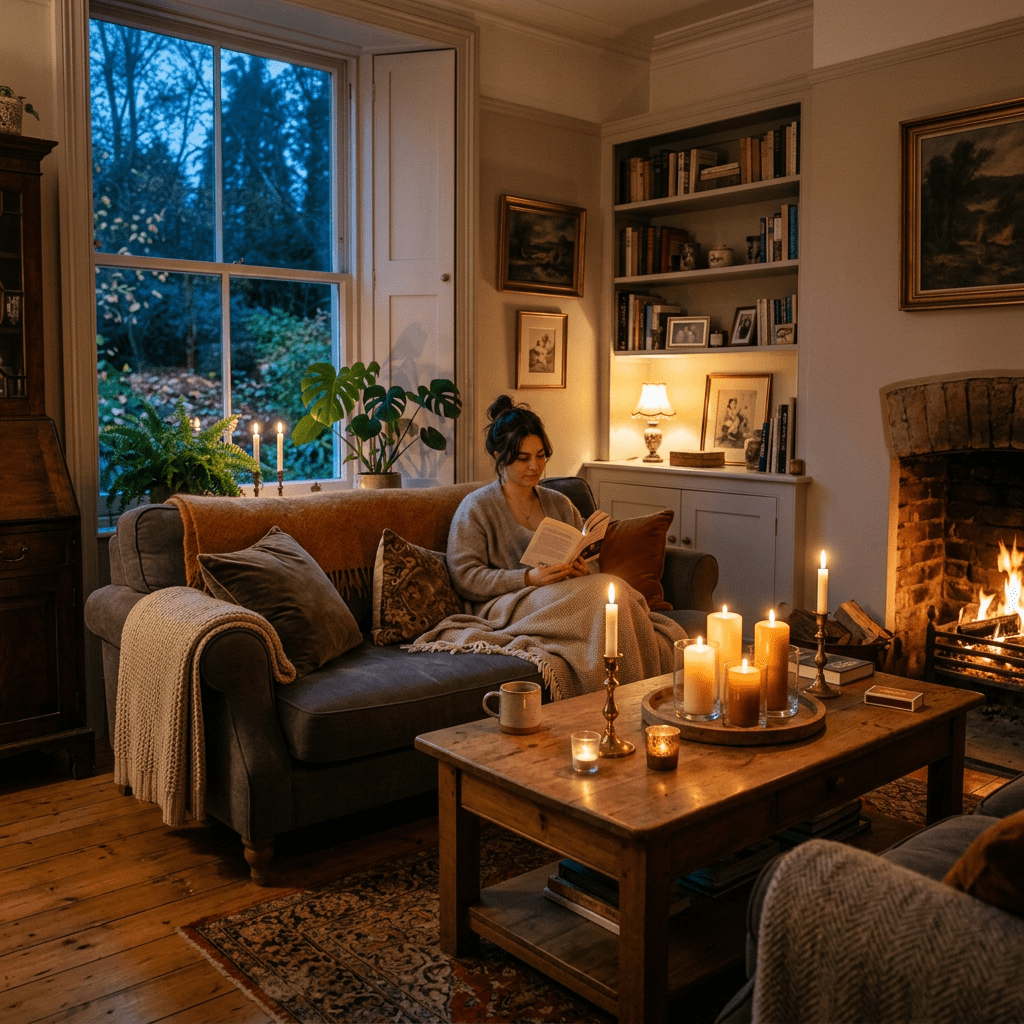
2. Gothic + Romantic / Soft Feminine
This blend softens gothic intensity while keeping its emotional appeal.
- Pair black or deep tones with blush, dusty rose, or mauve
- Use floral patterns (especially roses) in darker palettes
- Add sheer curtains, lace details, or soft lighting
Result: Moody romance that feels cozy, not cold.
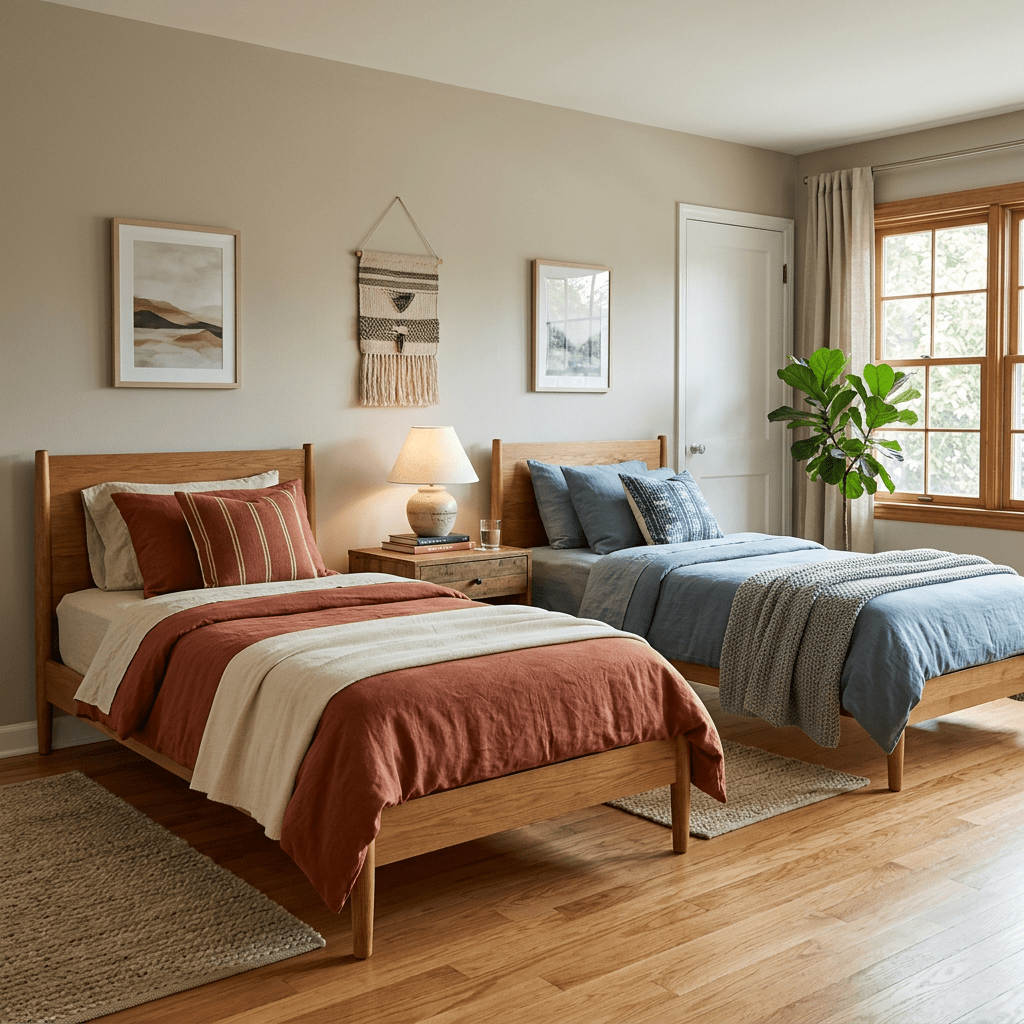
3. Gothic + Rustic / Earthy
Ground gothic style with warmth and natural textures.
- Mix dark accents with wood tones
- Use earthy colors like olive, terracotta, or sand
- Add woven textures, linen, or aged finishes
Result: A lived-in, grounded version of gothic that feels approachable.
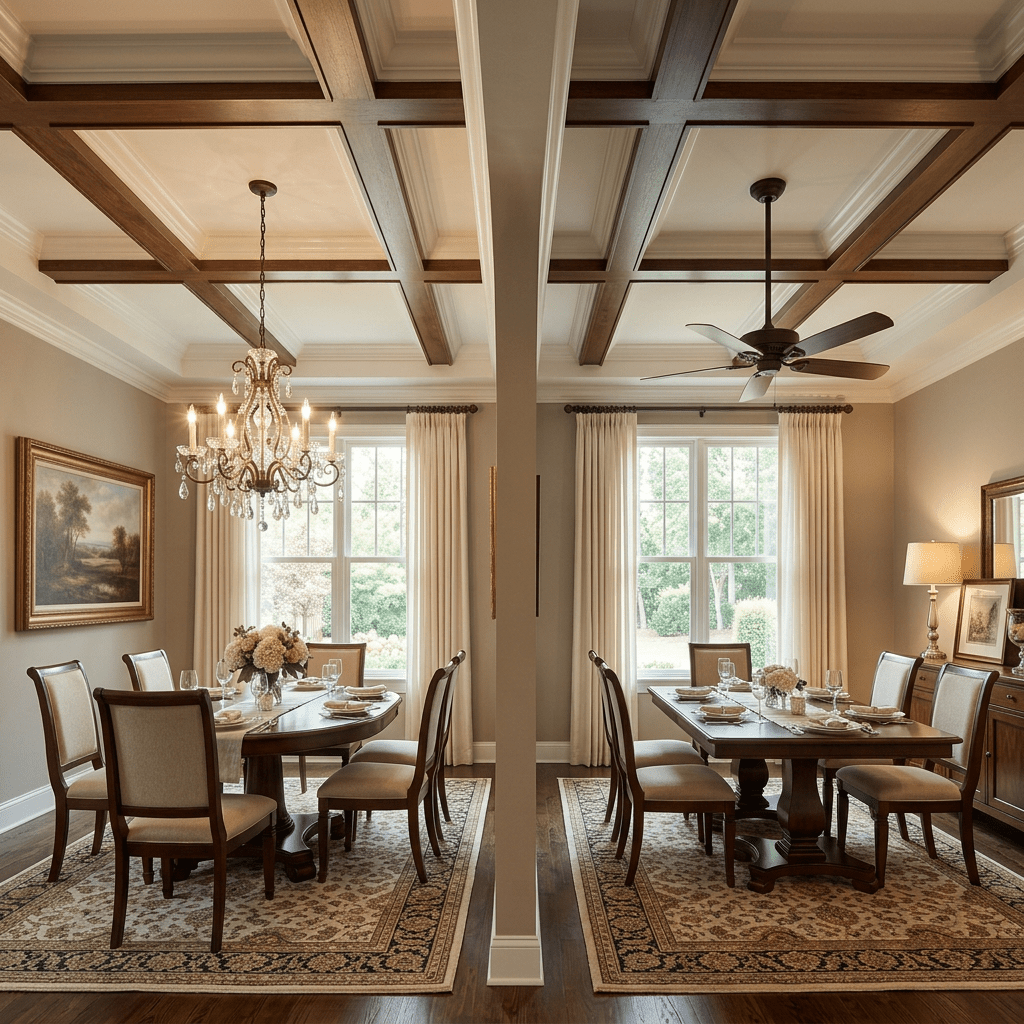
4. Gothic + Luxe Glam
This is where gothic meets elegance—and it’s stunning.
- Pair deep colors with metallics (gold, champagne, rose gold)
- Use velvet furniture or pillows
- Add dramatic lighting like chandeliers or sculptural lamps
Result: Moody luxury that feels high-end, not heavy.
Finding the Middle Ground (Without Losing the Style You Love)
Finding balance isn’t about removing gothic elements—it’s about controlling how much of them you use.
Here’s a simple formula to guide you:
The 70/30 Rule
- 70%: Light, neutral, or base style (modern, minimal, etc.)
- 30%: Gothic accents and details
This keeps your space feeling open while still honoring your style.
Small Changes That Make a Big Impact
If you’re not ready for a full transformation, start with subtle touches:
- A dark floral wall art piece
- Black or antique-style picture frames
- A moody throw blanket or pillow
- Candles or candle holders with gothic shapes
- A vintage-inspired mirror with ornate detailing
These pieces let you test the style without committing to it fully—and they’re perfect for rotating seasonally too.
A Quick Story: Finding Balance in Real Life
Imagine walking into a home where the walls are a soft ivory, sunlight gently fills the room, and everything feels calm… until your eyes land on a stunning black-framed mirror above a console table.
Below it sits a velvet runner in a deep plum tone. A single vase holds dark roses, and nearby, a candle flickers in a gold holder.
It’s not overwhelmingly gothic—but it feels gothic. It’s intentional. Balanced. Beautiful. And that’s the goal.
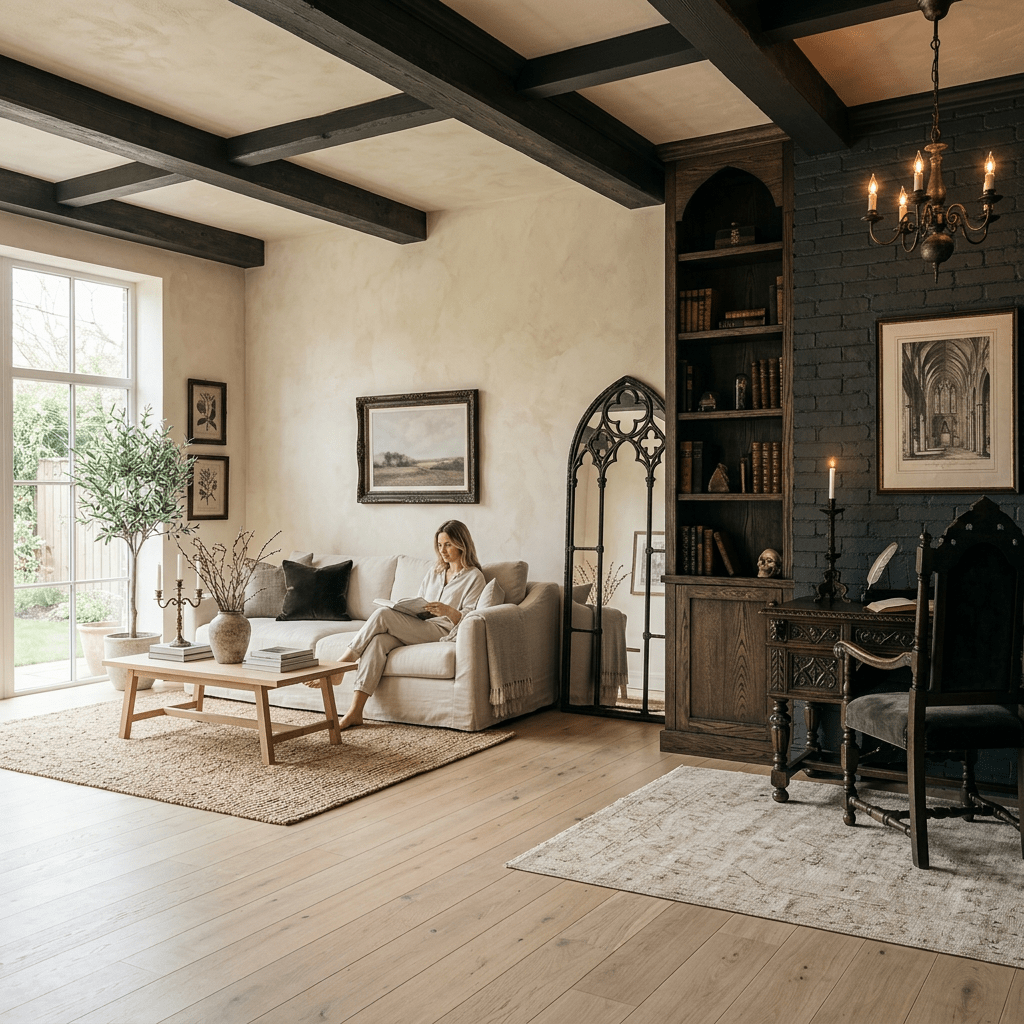
Final Thoughts: You Don’t Have to Choose One Style
Loving gothic style doesn’t mean you have to go all in—and honestly, you shouldn’t feel like you have to.
Your home should reflect you—your moods, your layers, your personality.
So if you love the drama of gothic design but also crave light, warmth, or softness…
Blend it.
Tone it down.
Make it yours.
Because the best spaces aren’t built on rules—they’re built on feeling.
 Discoveringlifellc
Leave a comment