

Home decor is far more than arranging furniture or choosing paint colors. It is a reflection of culture, personality, lifestyle, and even history itself. From ancient civilizations decorating stone walls to today’s carefully curated Pinterest-worthy interiors, home decor has evolved into one of the most influential and inspiring industries in modern life.

Today, millions of people spend hours scrolling through home inspiration online, watching makeover shows, and redesigning spaces that reflect comfort, beauty, and identity. But how did home decor become such an important part of everyday life? The answer lies in centuries of evolution, changing lifestyles, and humanity’s timeless desire to make a house feel like home.

The Early Beginnings of Home Decor
Ancient Egypt (3000–30 BCE)
The roots of home decor date back thousands of years. Ancient Egyptians were among the first civilizations to intentionally decorate their homes with style and symbolism. Wealthy Egyptians filled their homes with ornate furniture, colorful textiles, wall paintings, and handcrafted pottery.
Decor was often tied to status and spirituality. Gold accents, carved wood furniture, and elaborate artwork symbolized wealth and importance. Even in ancient times, homes were designed not only for function but also for beauty and identity.
Popular Elements:
- Painted walls
- Decorative pottery
- Carved wooden furniture
- Luxurious fabrics
- Gold detailing
Ancient Greece & Rome (800 BCE–476 CE)
The Greeks and Romans introduced balance, architecture, and elegance into home design. Homes became more sophisticated with columns, mosaics, marble accents, and carefully designed layouts.
Roman homes often included:
- Courtyards
- Decorative fountains
- Mosaic flooring
- Sculptures
- Elegant dining areas
This era helped establish the idea that a home should feel impressive and welcoming.
Medieval Home Decor (5th–15th Century)
During the Middle Ages, home decor became heavily influenced by survival and practicality. Most homes were simple, dark, and functional. However, castles and wealthy estates featured decorative tapestries, handcrafted furniture, and detailed woodwork.
Tapestries became especially important because they:
- Added warmth
- Displayed wealth
- Told stories through art
Furniture during this period was heavy and handcrafted, often made from oak or other durable woods.
Renaissance Era (14th–17th Century)
The Renaissance marked a major turning point in art, architecture, and interior design. Beauty, creativity, and luxury became central to home decor.
People began decorating with:
- Fine artwork
- Ornate mirrors
- Decorative ceilings
- Elegant fabrics
- Intricate furniture carvings
Homes became symbols of refinement and culture. Wealthy families showcased their sophistication through interior styling.
This period helped establish home decor as an artistic expression rather than just a necessity.
18th & 19th Century Home Decor
Victorian Era (1837–1901)
The Victorian era transformed home decor into a richly layered experience. Homes became filled with:
- Floral wallpaper
- Decorative rugs
- Heavy curtains
- Antique furniture
- Ornate lighting
- Family heirlooms
Victorian homes embraced abundance. The more decorative a space looked, the more fashionable it seemed.
This period also introduced the idea of decorating different rooms with specific purposes and styles.
Why Victorian Decor Became Popular:
- Industrial Revolution made furniture more accessible
- Middle-class families could now afford decorative pieces
- Home ownership increased
Early 20th Century: Simplicity Begins
As the world modernized, home decor began shifting toward simplicity and function.
Art Deco (1920s–1930s)
Art Deco introduced:
- Bold geometric shapes
- Metallic accents
- Luxurious finishes
- Glamorous lighting
This style reflected optimism, innovation, and modern living.
Mid-Century Modern (1940s–1960s)
One of the most timeless styles in history emerged during this era. Mid-century modern design focused on:
- Clean lines
- Minimal clutter
- Functional furniture
- Natural wood tones
- Open spaces
This movement changed how people viewed interior design. Homes became more practical while still feeling stylish.
Even today, mid-century modern remains one of the most beloved home decor styles worldwide.

The Rise of DIY & Personal Style (1970s–1990s)
Home decor became increasingly personal during the late 20th century. Families started experimenting with:
- Bold colors
- Wallpaper
- DIY projects
- Eclectic furniture
- Handmade decor
Television also began influencing design trends. Home improvement shows introduced decorating ideas directly into living rooms across America.
This era made home decor more accessible and less formal.
The Digital Era of Home Decor (2000s–Today)
The internet completely transformed home decor.
Platforms like:
- TikTok
- YouTube
- Home decor blogs
have made inspiration available instantly. Today, people can redesign an entire room after watching a 30-second video or scrolling through curated images online.
Online shopping also revolutionized accessibility. Consumers can now:
- Order furniture online
- Buy custom wall art
- Shop vintage decor
- Discover global design trends
- Create luxury-inspired spaces on a budget
Home decor is no longer reserved for designers or wealthy homeowners. Anyone can create a beautiful space with creativity and inspiration.
A Timeline of Home Decor Evolution
| Time Period | Home Decor Style & Influence |
|---|---|
| Ancient Egypt | Decorative furniture, gold accents, wall paintings |
| Ancient Greece & Rome | Marble, mosaics, symmetry, architecture |
| Medieval Era | Functional decor, tapestries, handcrafted furniture |
| Renaissance | Luxury interiors, artwork, ornate decor |
| Victorian Era | Layered decor, floral patterns, antiques |
| Art Deco | Glamorous geometric design |
| Mid-Century Modern | Minimalism, functionality, clean lines |
| 1970s–1990s | DIY trends, bold colors, personalization |
| 2000s–Present | Digital inspiration, modern aesthetics, social media influence |
The Status of Home Decor Today
Today, home decor is one of the most popular lifestyle topics in the world.
People are more emotionally connected to their homes than ever before. Modern homes are no longer just places to sleep — they are:
- Workspaces
- Relaxation spaces
- Creative spaces
- Entertainment hubs
- Personal sanctuaries
Because of this, decorating has become deeply personal.
Why Home Decor Is So Popular Today
1. Social Media Changed Everything
Platforms like Pinterest and Instagram turned interior design into daily inspiration. Beautiful homes are constantly shared online, motivating people to improve their own spaces.
Home decor content performs well because it is:
- Visual
- Inspirational
- Relaxing to consume
- Aspirational
- Easy to share
2. People Want Comfort
After stressful days, people want homes that feel peaceful, welcoming, and calming. Decor helps create emotional comfort.
Soft textures, warm lighting, neutral colors, and organized spaces can improve mood and reduce stress.
3. Homes Reflect Personality
Modern decor is highly individualized. Some people love minimalism while others prefer cozy maximalism or vintage aesthetics.
Decor choices now communicate:
- Lifestyle
- Personality
- Values
- Creativity
- Identity
4. DIY Culture Is Thriving
DIY home projects exploded in popularity because people enjoy customizing spaces while saving money.
Popular DIY trends include:
- Furniture flipping
- Accent walls
- Peel-and-stick wallpaper
- Handmade decor
- Repurposed furniture
5. Home Decor Feels Achievable
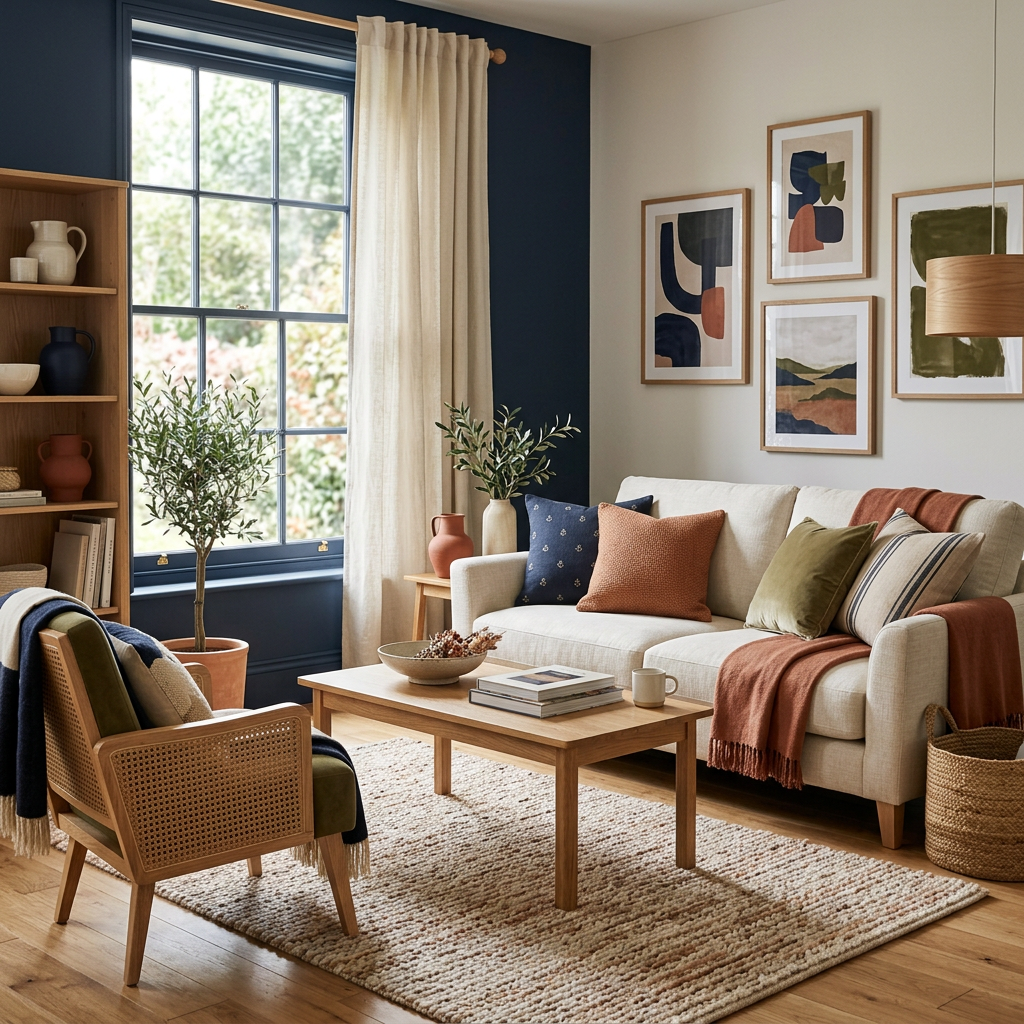
Unlike luxury fashion or expensive cars, decorating can feel attainable. Small changes can dramatically transform a room.
Even adding:
- Throw pillows
- Wall art
- Lighting
- Rugs
- Plants
can make a home feel refreshed and beautiful.
Timeless Home Decor Trends That Continue to Evolve
Some trends never truly disappear. Instead, they evolve with time.
Timeless Design Elements:
- Neutral color palettes
- Natural materials
- Functional furniture
- Cozy textures
- Statement lighting
- Personalized decor
- Indoor plants
- Vintage accents
These elements remain popular because they create spaces that feel both stylish and comfortable.
The Future of Home Decor
Home decor continues evolving with technology and lifestyle changes.
Future trends are expected to include:
- Smart home integration
- Sustainable furniture
- Eco-friendly materials
- Multifunctional spaces
- Personalized AI-inspired design
- Wellness-focused interiors
As homes become even more central to daily life, decor will continue blending comfort, beauty, and functionality.

Final Thoughts
The evolution of home decor tells the story of humanity itself. Across centuries, people have always sought ways to make their homes feel meaningful, comfortable, and beautiful.
From ancient Egyptian palaces to modern minimalist apartments, home decor continues to evolve alongside culture, technology, and personal expression.
Today, home decor is more than a trend — it is a lifestyle, a form of creativity, and a way to turn everyday living into something inspiring.
No matter how styles change over time, one thing remains timeless: the desire to create a home that truly feels like your own.



Leave a Reply