
Learning Who You Are Through the Space You Create
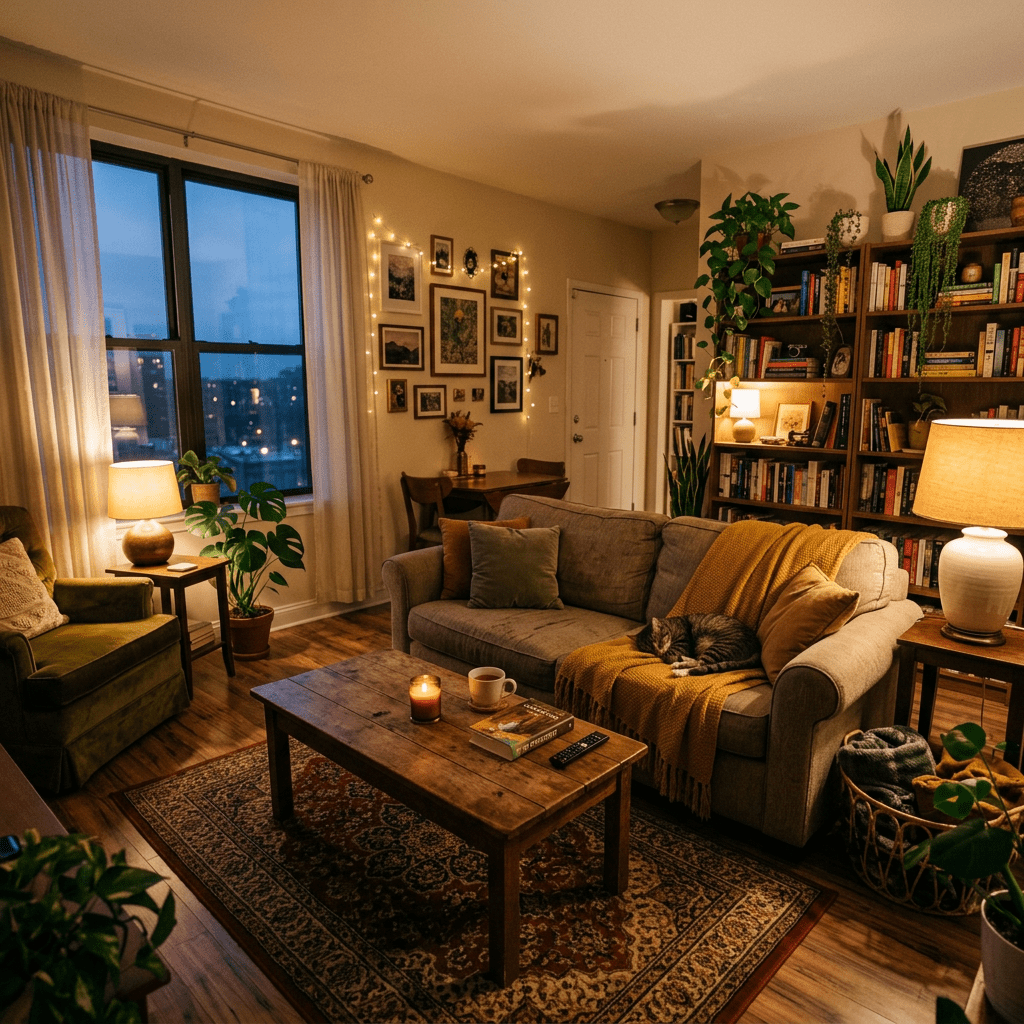
There is something emotional about leaving your parents’ home for the first time. Whether you move into a small apartment, your first house, a dorm, or a shared living space, one thing becomes clear very quickly: you finally have the opportunity to decide what your home looks and feels like.
For many people, that experience is exciting—but also confusing.
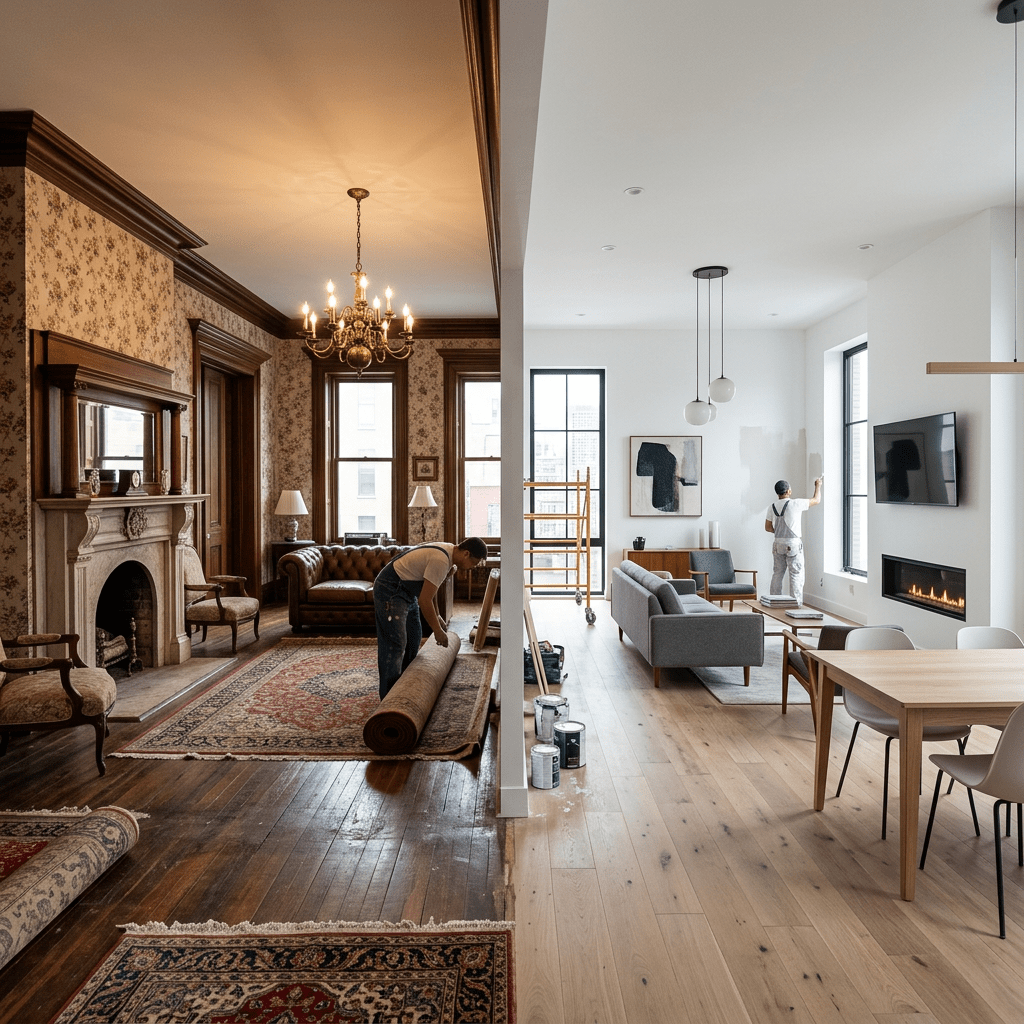
You may discover that you automatically choose the same paint colors your parents used. Maybe you decorate with the same style furniture you grew up around. Or maybe you realize you dislike everything you thought you liked because it was simply familiar. Finding your personal style after leaving home is not just about decorating—it is about identity, comfort, independence, and self-discovery.
The truth is, most of us begin life surrounded by someone else’s design choices. The colors, furniture, scents, routines, and decor styles in our childhood homes become deeply connected to our understanding of “home.” It often takes living on your own to figure out what truly reflects you.
Why Your Parents’ Style Influences You So Much
The home you grew up in shaped your first understanding of comfort and beauty. Even if you never consciously noticed it, your environment influenced your preferences.
Maybe your parents loved:
- Traditional furniture
- Farmhouse decor
- Minimalism
- Bright colors
- Heavy wood furniture
- Floral patterns
- Neutral spaces
- Matching furniture sets
- Collectibles and heirlooms
Because those elements surrounded you daily, they became normal. Familiarity often feels comforting, even when it is not your personal preference.
Some people naturally continue their parents’ style because it genuinely resonates with them. Others eventually realize they were recreating a childhood environment without questioning whether it actually reflected their personality.
There is no right or wrong outcome. The important part is discovering your preferences intentionally instead of automatically.
The Difference Between Familiarity and Preference
One of the biggest challenges when finding your style is understanding the difference between:
- What feels familiar
- What genuinely inspires you
For example:
You may think you love dark wood furniture because that is what your parents had. But after exploring different styles, you may discover you actually prefer lighter woods, softer colors, and more modern textures.
Or perhaps you grew up in a minimalist home and later realize you love layered spaces with personality, books, art, and collected decor.
Sometimes our true style appears only after we are exposed to new environments, trends, cultures, and experiences.
That is why finding your style takes time.
Your First Home Is Often a Learning Experience
One thing many people do not realize is that your first place does not need to be perfect.
In fact, your first apartment or home is usually where you begin experimenting.
You learn:
- What colors calm you
- What furniture styles fit your lifestyle
- Whether you enjoy cozy or open spaces
- If you like trendy decor or timeless pieces
- Which textures and materials make you feel comfortable
- What kind of atmosphere helps you relax
Your style evolves as you evolve.
The pieces you choose at 22 may not match your preferences at 32—and that is completely normal.
Home decor is personal growth made visible.
How to Separate Your Style From Your Parents’ Style
1. Start Paying Attention to What Naturally Draws You In
The easiest way to discover your personal style is to notice what captures your attention without outside influence.
Ask yourself:
- What rooms do I save on Pinterest?
- What stores do I naturally gravitate toward?
- Which hotels or cafes feel inspiring to me?
- What spaces make me feel peaceful or excited?
- What colors am I repeatedly drawn to?
Patterns will begin to appear.
You may notice:
- You love soft neutral luxury spaces
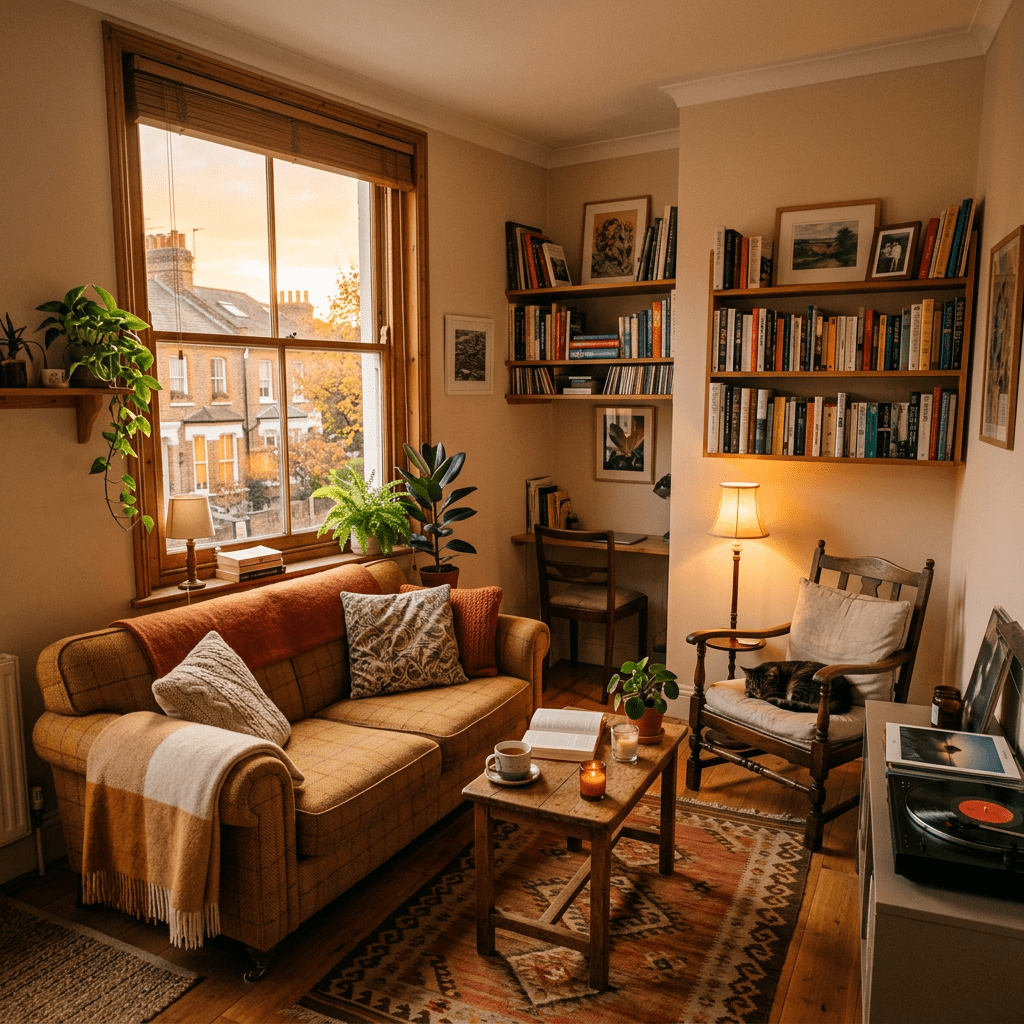
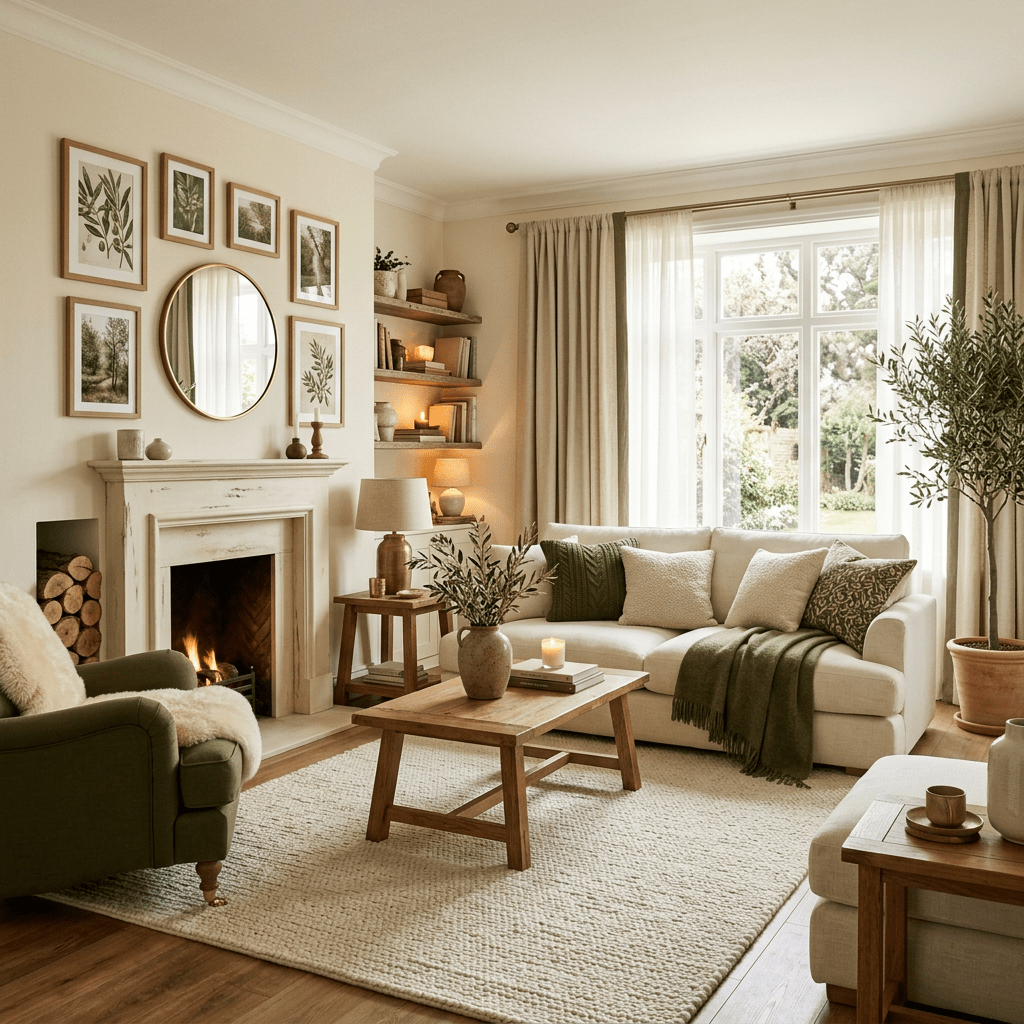
- You prefer earthy organic textures
- You enjoy colorful eclectic rooms
- You gravitate toward dark moody interiors
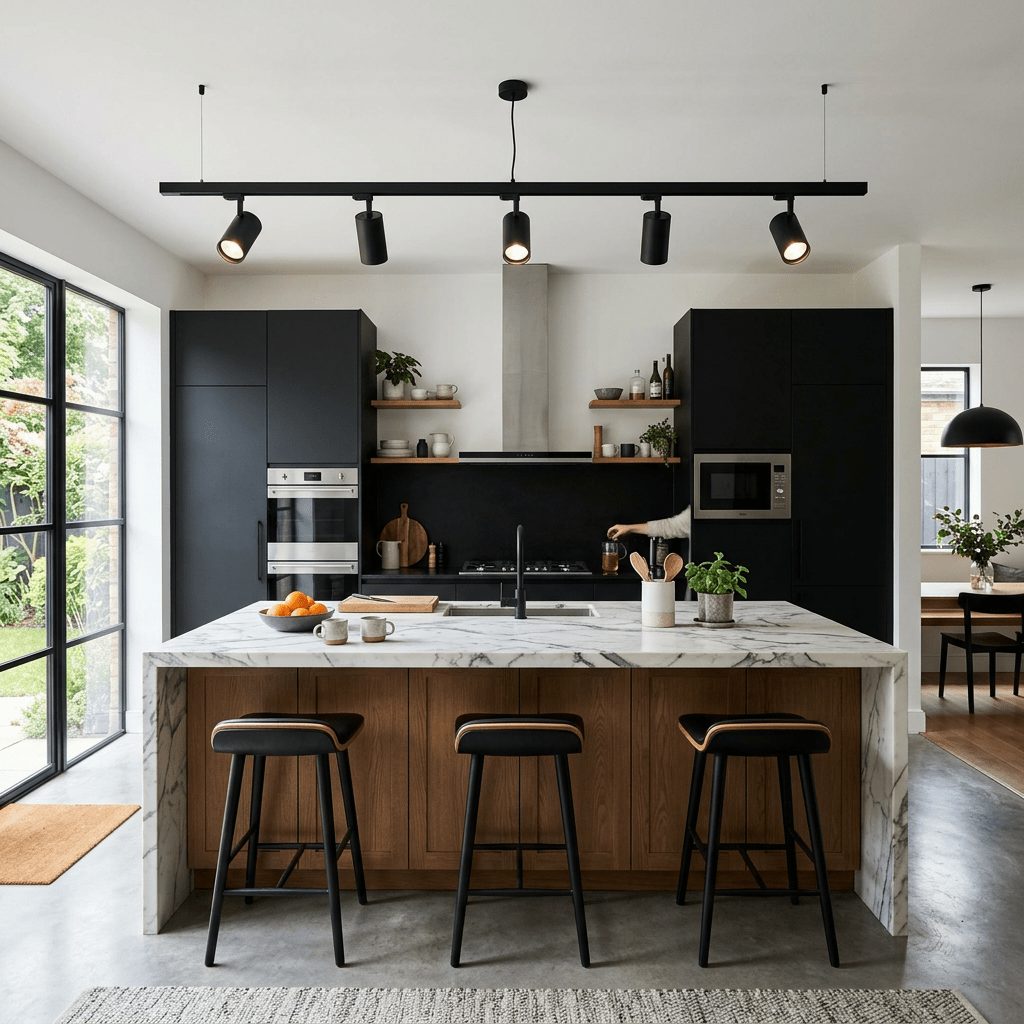
- You love modern simplicity
- You enjoy vintage-inspired decor
Your style often reveals itself quietly over time.
2. Separate Emotional Attachment From Actual Preference
Some decor choices carry emotional memories.
For example:
- Your grandmother’s dining table
- Your parents’ old couch style
- Family heirlooms
- Traditional wall art
- Decorative collections
Sometimes we keep or recreate things because they remind us of home—not because we truly love them stylistically.
That does not mean you should get rid of sentimental items. It simply means learning to ask:
“Do I genuinely like this style, or do I like the memory attached to it?”
You can honor memories while still building a home that reflects who you are becoming.
3. Experiment Without Pressure
One mistake people make is believing they need to commit to one permanent aesthetic immediately.
You do not.
Style develops through experimentation.
Try:
- Different bedding colors
- Temporary peel-and-stick wallpaper
- Affordable accent decor
- Rearranging furniture
- Mixing styles together
- Swapping out artwork
- Testing lighting changes
Your home should evolve naturally instead of feeling forced.
4. Stop Decorating for Approval
Sometimes people unconsciously decorate based on what:
- Their parents would approve of
- Social media says is trendy
- Friends consider stylish
- Guests might like
But your home is your personal sanctuary.
If you genuinely love:
- Colorful walls
- Minimal neutral spaces
- Bold patterns
- Vintage decor
- Maximalism
- Cozy clutter
- Elegant simplicity
Then embrace it.
A home feels most beautiful when it reflects the person living inside it.
5. Think About Lifestyle, Not Just Appearance
Your personal style is not only visual—it is functional.
Ask yourself:
- Do I need a calm environment to recharge?
- Do I entertain often?
- Do I work from home?
- Do I prefer cozy evenings or bright open spaces?
- Do I like low-maintenance decor?
- Am I sentimental or minimalist?
Sometimes the style you admire online is not the style that fits your real life.
A beautiful home should support your daily routines, personality, and emotional comfort.
Why Finding Your Own Style Is So Empowering
There is something incredibly empowering about walking into a space that genuinely feels like you.
Not your parents.
Not social media.
Not trends.
You.
Your style reflects:
- Your experiences
- Your growth
- Your personality
- Your comfort
- Your creativity
- Your independence
Creating your own environment is one of the first ways many people truly express themselves as adults.
And the beautiful part is that your style does not need to fit into one category.
You are allowed to combine:
- Modern and vintage
- Minimal and cozy
- Elegant and playful
- Neutral and colorful
- Trendy and timeless
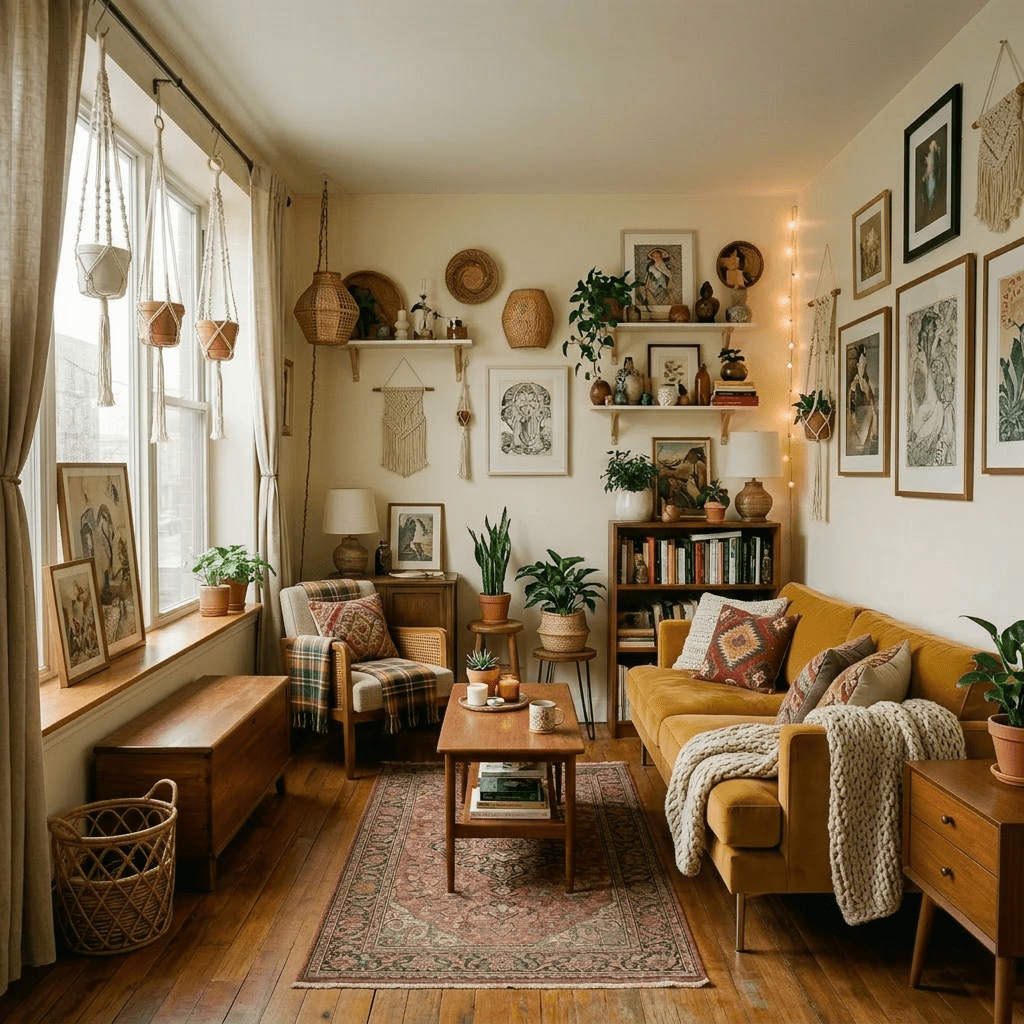
The best homes often feel collected, personal, and authentic rather than perfectly designed.
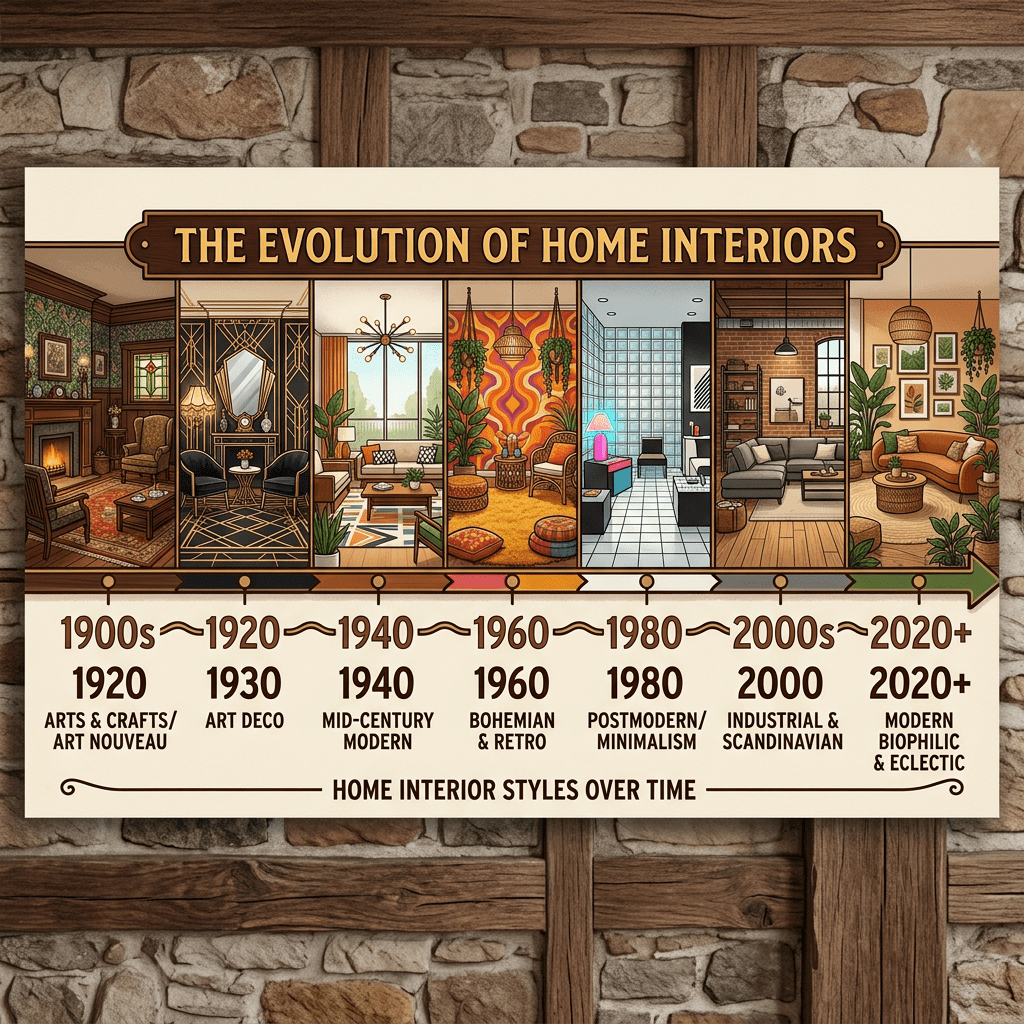
Your Style Will Continue to Change
One of the biggest misconceptions in home decor is the idea that you must “find your style” once and keep it forever.
Realistically, your home evolves alongside your life.
As you grow, your preferences shift.
Your first apartment may be filled with affordable basics and experimentation. Years later, you may crave quality furniture, calming tones, or meaningful decor pieces.
Life experiences shape style:
- Relationships
- Travel
- Career changes
- Motherhood or parenthood
- Personal healing
- Confidence
- Aging and maturity
Your home becomes a reflection of your journey.
Final Thoughts
Finding your own style after leaving your parents’ home is about more than decorating. It is about learning who you are outside of familiarity.
Some parts of your parents’ style may stay with you forever because they genuinely bring you comfort and joy. Other things may slowly fade as you discover new preferences and experiences.
Both are okay.
There is no perfect timeline for discovering your style. Some people know immediately. Others spend years experimenting before everything clicks into place.
The important thing is allowing yourself the freedom to explore.
Because at the end of the day, the most beautiful homes are not the trendiest ones.
They are the homes that truly feel like the people living inside them.
 Discoveringlifellc
Leave a comment