
HOME DECOR TRENDS
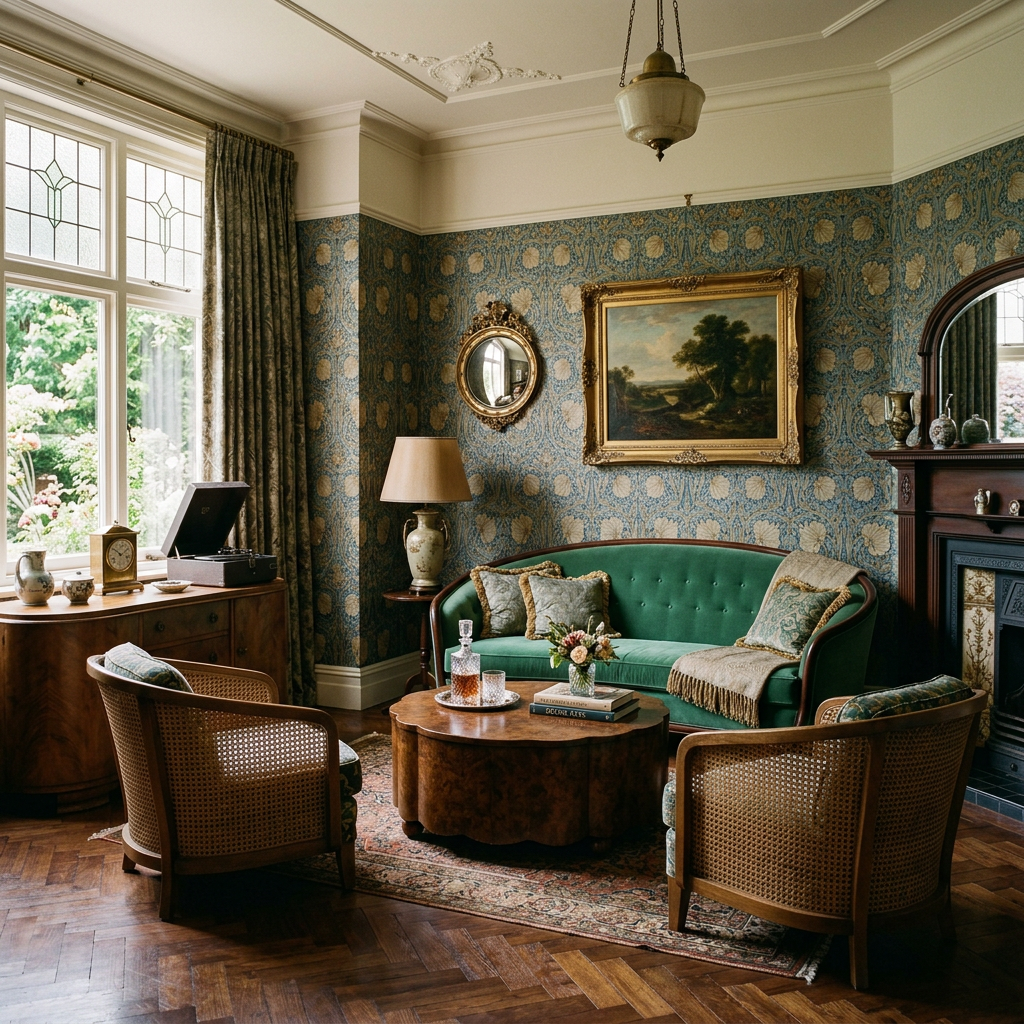
There is something fascinating happening in home decor right now—we are looking backward to move forward. After years of sleek minimalism, cool gray interiors, stark white walls, and perfectly coordinated spaces. Homeowners are beginning to crave something different. As a result, HOME DECOR TRENDS emphasize warmth. They want warmth. They want character. They want texture, history, and rooms that actually feel lived in. Many of the trends returning to homes are styles grandparents would recognize immediately.

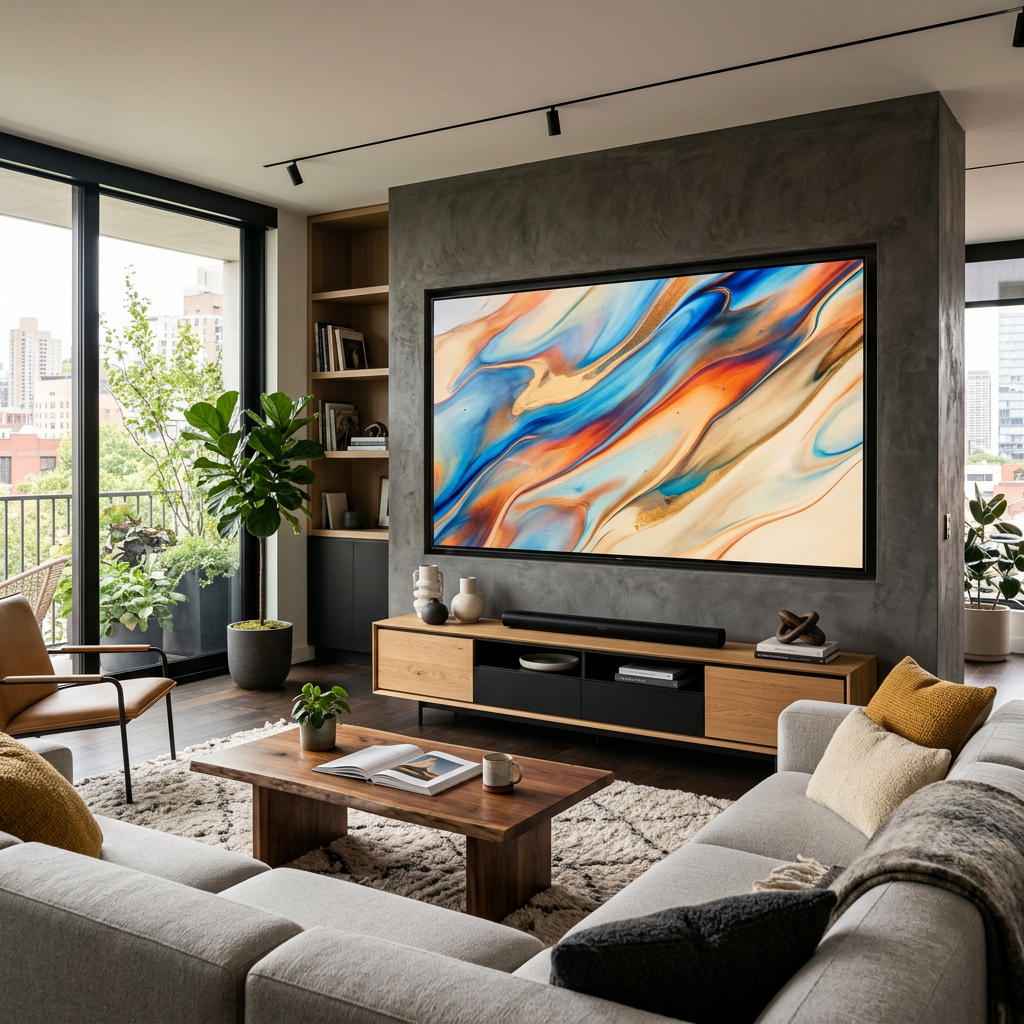
For years, modern decorating seemed to revolve around simplicity. The less you had, the better. Furniture was streamlined, colors were neutral, and accessories were carefully limited.
While there is beauty in minimalism, many people are now discovering that a home can feel inviting. Additionally, it has layers, personality, and a connection to the past. That shift has opened the door for vintage-inspired design, antique furniture, traditional patterns. It features warm wood tones, wallpaper, floral prints, and other decorative details once considered old-fashioned.
In many ways, the early 1900s were a completely different era of decorating. Homes were often designed with craftsmanship in mind. Woodwork, moldings, built-ins, decorative trim, intricate hardware, and substantial furniture were not simply extras. They were part of what made a house feel special. Furniture was purchased with the expectation that it would last for generations. It would not be replaced every few years.Appreciation for quality and craftsmanship feels especially meaningful today. That appreciation is making a comeback.
One of the biggest changes is the return of warm wood. Additionally, for a long time, painted furniture and lighter finishes dominated. Today, rich wood tones are welcomed back into kitchens and dining rooms, a core HOME DECOR TRENDS element. Dark wood tables, vintage dressers, wooden bookshelves, and antique cabinets offer warmth. Furniture with visible wood grain adds depth to any room almost instantly. Instead, homeowners are starting to celebrate the natural character of wood. And there is wallpaper.
If your grandmother had wallpaper throughout her house, she may have been ahead of her time. Wallpaper has returned in a big way, but today’s version doesn’t have to look like the wallpaper you remember from decades ago. Designers are using floral patterns, botanical prints, traditional motifs, and vintage-inspired designs in fresh and unexpected ways. A bold wallpaper might cover the walls of a dining room, create a dramatic powder room, or bring softness to a bedroom. The difference is that today’s homeowners are using wallpaper more intentionally, often pairing traditional patterns with modern furniture and contemporary lighting.
Florals are experiencing a similar revival. Floral patterns have never completely disappeared, but they are becoming much more prominent in interiors. They are appearing on wallpaper, bedding, curtains, upholstery, pillows, and artwork. The modern approach is not necessarily about creating a room that feels overly traditional. Instead, a floral chair might be paired with a contemporary coffee table, or vintage-inspired wallpaper might be placed in an otherwise modern bathroom. Mixing old and new allows traditional patterns to feel fresh again.
Even the furniture pieces that once seemed destined for the attic are getting another chance. China cabinets, display cabinets, secretary desks, sideboards, and curio cabinets are finding new life in today’s homes. But instead of using them strictly for formal china, homeowners are filling them with books, artwork, pottery, glassware, family treasures, and collected objects. This creates a more personal and layered look—one that suggests the room has evolved over time rather than being purchased from a single furniture showroom.

That idea of a “collected home” is one of the biggest reasons vintage design is becoming so appealing. People are moving away from the idea that everything in a room needs to match perfectly. Instead, they are mixing furniture styles, textures, materials, and time periods. A contemporary sofa can look beautiful beside an antique side table. A modern bedroom can feature a vintage dresser. A traditional rug can soften a room filled with contemporary furniture. These combinations create contrast, and contrast is often what makes a room interesting.
Even formal dining spaces are beginning to feel relevant again. For a while, the formal dining room seemed like a thing of the past. Open-concept living made dedicated dining rooms feel unnecessary, and casual eating became the norm. But there is something special about having a space where people gather around a table, sit down together, and make a meal feel like an occasion. A beautiful wooden table, comfortable chairs, a chandelier, artwork, and a few meaningful accessories can create that feeling without making the room feel overly formal.
Another classic making its way back into modern interiors is the checkerboard floor. Once a familiar feature in older kitchens, bathrooms, and entryways, checkerboard patterns are being reimagined in today’s homes. While black and white remains a classic combination, softer pairings such as cream and taupe, green and ivory, or terracotta and cream can give the pattern an entirely different personality. It’s another example of how an old design idea can feel surprisingly modern when interpreted in a new way.
Vintage linens and handmade-looking textiles are also becoming increasingly appealing. Quilts, embroidered pillows, linen napkins, tablecloths, crocheted details, and textured blankets can bring softness and personality into a home. These pieces remind us of a time when many household items were made to be used, cared for, repaired, and passed down. Adding one vintage or vintage-inspired textile to a modern room can make the entire space feel warmer.
Even furniture silhouettes are becoming a little more decorative. After years of straight lines and ultra-streamlined furniture, curved shapes, carved details, turned legs, and ornate accents are starting to reappear. That doesn’t mean modern homes are suddenly becoming formal or Victorian. Instead, homeowners are using one or two more decorative pieces to give their spaces personality. A beautifully carved dresser or a curved vintage-inspired chair can become the piece that makes an otherwise simple room memorable.
So why are we so drawn to the past? Perhaps it isn’t simply nostalgia. Perhaps it is comfort. We live in a world that moves incredibly fast. Technology changes constantly. Trends come and go quickly. We order furniture with a few clicks and can completely change the look of a room in an afternoon. Yet there is something comforting about objects that appear to have a history. A wooden table that shows its age, an antique mirror, a vintage quilt, an old family photograph, or a piece of furniture passed down through generations can make a home feel grounded. Maybe that is what we have been missing.
We don’t necessarily want to recreate our grandparents’ homes exactly as they were. Instead, we want to bring back the parts that made those homes feel special. We want craftsmanship without giving up convenience. We want vintage character without sacrificing modern functionality. We want homes that feel beautiful but also comfortable. We want spaces that tell a story. And that may be the secret to bringing the past into the present.
You don’t have to turn your home into a time capsule to embrace these trends. Start with one piece. Bring in a warm wood table. Add a vintage-inspired lamp. Try wallpaper in a small space. Display something that belonged to a family member. Layer a floral pillow onto a neutral sofa. Find an antique piece at a thrift store or estate sale and give it a place of honor. Mix it with the modern things you already love. The goal isn’t to make your home look old. The goal is to make it feel timeless.
Perhaps the biggest lesson we can take from early-20th-century decorating is that a beautiful home doesn’t have to be filled with the newest things. Sometimes, the pieces with the most character are the ones that have already lived a life.
So the next time you see an antique table, dark wood furniture, floral wallpaper, a vintage quilt, an old-fashioned cabinet, or a piece that reminds you of your grandparents’ home, don’t be so quick to dismiss it as outdated. It might just be exactly what your home has been missing.

Final Thought
A beautiful home isn’t created by following every new trend. It’s created by choosing pieces that make you feel comfortable, inspired, and connected to the space around you. Sometimes, the most meaningful design ideas are the ones that have already stood the test of time.
Your home should feel like comfort—not perfection. Create a space that tells your story, reflects your life, and gives you a reason to love coming home.
— Discovering Life


Leave a Reply