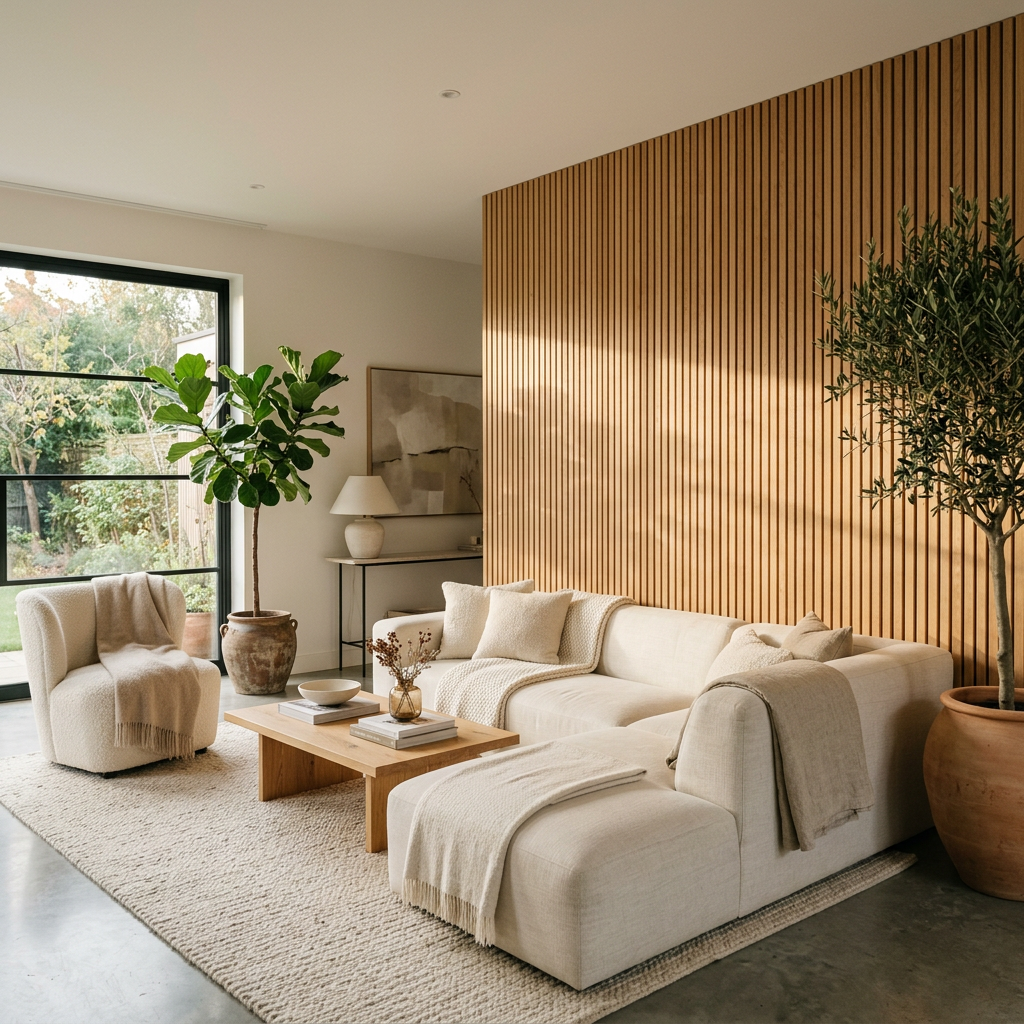
Natural textures, warm wood tones, and organic-inspired interiors are changing the way we think about wall design. Wood grain walls are making a statement, and they’re proving that sometimes the most beautiful design choices come from bringing a little bit of nature indoors.

There was a time when wood-paneled walls were associated with dated family rooms, dark basements, and traditional interiors. Today, that perception is changing. Wood grain walls are making a comeback, but this time, they’re getting a much more modern, sophisticated makeover.

From light oak accent walls to rich walnut finishes and dramatic vertical wood slats, homeowners and designers are finding creative ways to use wood as more than just a flooring or furniture material.
The appeal is easy to understand. Wood adds warmth, texture, character, and a sense of comfort that paint alone sometimes cannot achieve. Whether your home leans toward modern minimalism, contemporary design, farmhouse, or organic modern, there is a wood grain finish that can complement your style.
So, what is driving this trend, and how can you incorporate it into your own home without making your space feel outdated? Let’s take a closer look.
1. What Makes Wood Grain Walls So Popular?
The popularity of wood grain walls goes beyond looks. It signals a broader shift in interior design toward natural materials. The trend emphasizes warmth and spaces that feel personal rather than polished. Here are five reasons this trend is gaining attention for wood grain walls.
A. The Return of Natural Materials
Homeowners are becoming more interested in materials that bring an organic element into their homes. Wood is one of the easiest ways to accomplish this.
Unlike a flat painted wall, wood has natural variations, knots, patterns, and textures. No two pieces look exactly alike. These imperfections give a room character and make it feel more inviting.
B. Warmth Is Replacing Cold Minimalism
For years, cool grays, stark whites, and ultra-minimalist interiors dominated home design. While those styles aren’t disappearing, people are looking for ways to make their homes feel warmer.
Wood grain introduces warmth without requiring a complete redesign. Even a single accent wall can soften a room filled with neutral furniture, stone surfaces, and modern finishes.
C. It Creates Architectural Interest
One of the biggest advantages of wood paneling is that it can make an ordinary wall look like an intentional architectural feature.
Vertical slats, horizontal boards, geometric panels, and fluted wood surfaces create depth and dimension. They also interact with natural and artificial lighting, producing subtle shadows that change throughout the day.
D. It Works With Multiple Decorating Styles
You don’t have to live in a farmhouse to appreciate wood walls.
Depending on the finish, wood grain can complement:
- Modern and contemporary interiors.
- Organic modern and minimalist homes.
- Mid-century modern spaces.
- Traditional and transitional interiors.
- Rustic and modern farmhouse designs.
- Coastal and Scandinavian-inspired rooms.
E. It Feels Timeless Rather Than Temporary
Trendy colors and decorative accessories can change quickly. Natural wood, however, has a long history in residential architecture.
Today’s interpretation focuses on cleaner lines, thoughtful placement, and finishes that highlight the wood rather than conceal it. Designers are increasingly embracing natural grain, richer walnut tones, and lighter oak finishes. Vogue+2
2. The Wood Grain Styles Everyone Is Talking About
Not all wood grain walls look the same. The beauty of this trend is that there are several ways to achieve the look.
Vertical Wood Slats
One of the most recognizable modern wood wall designs. Narrow or wider vertical strips create clean lines and can make ceilings appear taller. This style works beautifully behind a television, in an entryway, or behind a bed.
Natural Walnut Paneling
Rich brown tones bring sophistication and depth. Walnut is particularly attractive in offices, dining rooms, libraries, and bedrooms where a cozy atmosphere is desired.
Horizontal Wood Panels
A more traditional approach with a contemporary update. Horizontal boards emphasize the width of a room and work well in living rooms, hallways, and bedrooms.
Arborelle Natural Oak Reeded Wall Panel | Naturewall
Fluted and Reeded Wood
These panels feature repeated grooves or rounded ridges. They add texture and a subtle decorative effect without requiring elaborate patterns or artwork.
Geometric Wood Designs
Wood arranged in herringbone, chevron, or other geometric patterns creates a more artistic statement. This is a great option when you want your wall to become the focal point of the room.
3. How to Incorporate Wood Grain Walls Into Your Home
The best thing about this trend is that you don’t have to cover every wall to enjoy it. In fact, using wood strategically can create a much more sophisticated result.
Living Room: Create a Statement Wall
Consider installing wood slats or natural wood panels behind your television or sofa. This creates a focal point without overwhelming the room.
Pair lighter oak with ivory upholstery, textured rugs, and black or brass accents. For a more dramatic look, choose walnut against warm beige or creamy white walls.
Bedroom: Create a Cozy Retreat
A wood grain wall behind the bed can replace a traditional headboard or give an existing headboard more presence.
Consider floor-to-ceiling panels, a partial wood feature wall, or horizontal boards extending slightly beyond the bed. Add soft lighting, neutral bedding, and layered fabrics to create a relaxing atmosphere.
Home Office: Add Character and Sophistication
A walnut or dark oak wall can give a home office a more established, professional appearance.
Combine the wood with a streamlined desk, comfortable seating, warm lighting, and minimal accessories. Acoustic slat panels may also help reduce echo, depending on their backing and construction.
Entryway: Make a Memorable First Impression
An entryway is an excellent place to experiment with wood grain. A small accent wall behind a console table can make an otherwise overlooked area feel thoughtfully designed.
Add a round mirror, decorative bowl, and a small lamp to complete the look.
Dining Room: Bring in Warmth and Texture
Wood paneling can make a dining area feel more intimate. Try a walnut feature wall behind the dining table or use decorative wood panels to frame a buffet or built-in shelving.
Kitchen: Introduce Natural Contrast
You don’t have to install wood on every kitchen wall. Consider a wood feature in a breakfast nook, pantry area, or on a suitable vertical surface away from direct water and heat exposure. Wood tones also pair beautifully with cream cabinetry, stone countertops, and brushed brass hardware.

4. Where Can You Find Wood Grain Wall Treatments?
You don’t necessarily need to hire a contractor or purchase expensive custom woodwork to achieve this look. There are several options depending on your budget, skill level, and the appearance you want.
Here are some places worth exploring.
Acupanel® Luxe Wood Wall Panel Individual Samples
Wood Veneer Panels
These feature a thin layer of real wood over a manufactured backing. They provide authentic wood grain without the cost of solid wood.
Where to look: Wood Veneer Hub.
Acoustic Slat Wall Panels 2.88m² Natural Oak 2x Panels – W 600mm x H 2400mm – Trade Depot
Wood Slat Wall Panels
Many manufacturers sell ready-to-install panels that make creating a slat wall easier. Some include acoustic backing.
Where to look: Home Depot and Lowe’s.
Wood Grain Wallpaper
If you rent or aren’t ready for a permanent renovation, wallpaper can give you the appearance of wood grain without installing actual panels.
Where to look: Wall paper direct and Etsy.
Natural Barnwood Samples – WoodPlank
Reclaimed Wood and Individual Planks
Reclaimed wood is an excellent option if you appreciate natural imperfections, weathered finishes, and a more rustic appearance.
Where to look: Local lumber suppliers, architectural salvage stores, and home improvement retailers.
MDF and Decorative Wall Panels
Manufactured panels can offer realistic wood-grain finishes at a more accessible price point. They are available in a variety of colors, textures, and profiles.
Where to look: Lowe’s and Home Depot.
Shopping tip: Always request samples when possible. A wood finish can look completely different online than it does in your home. Natural lighting, flooring, furniture, and existing finishes can all affect how the color appears.
5. Choosing the Right Wood Tone for Your Home
One of the biggest decisions you’ll make is selecting the right wood color. The wrong tone can compete with your furniture, while the right one can bring the entire room together.
Furniture Materials & Finishes
Light Oak
Airy, natural, and understated. Ideal for Scandinavian, coastal, and contemporary interiors.
Honey Oak
Warm and inviting. Works beautifully with cream, sage, terracotta, and earthy neutrals.
Walnut
Rich and sophisticated. A beautiful choice for transitional, traditional, and modern luxury spaces.
Dark Espresso
Dramatic and moody. Best for creating contrast and intimate spaces with thoughtful lighting.
A helpful rule is to avoid trying to match every wood finish in your home exactly. Instead, look for complementary undertones. A warm walnut wall can look beautiful alongside lighter oak furniture when the rest of the room ties the finishes together.
6. What to Consider Before Installing Wood Grain Walls
Before jumping into this trend, there are a few practical considerations worth remembering.
1. Consider the size of your room.
Dark wood can make a room feel intimate and dramatic, but covering every wall in a small room may make it feel enclosed. Lighter finishes can help maintain an open atmosphere.
2. Think about maintenance.
Real wood may require periodic cleaning, sealing, or refinishing. Manufactured panels have different care requirements, so check the manufacturer’s recommendations.
3. Pay attention to moisture.
Not every wood panel is suitable for bathrooms, kitchens, or other moisture-prone spaces. Look for products specifically rated for the intended environment.
4. Don’t overlook lighting.
Wood grain can look completely different depending on the lighting. Warm lighting can enhance brown and honey tones, while natural daylight helps showcase the grain.
5. Be intentional with placement.
A wood wall should complement your furniture, flooring, and accessories rather than compete with them. You don’t need to cover an entire room to make an impact.

7. Is This a Trend Worth Trying?
Absolutely, particularly if you are looking for a way to introduce warmth, texture, and personality into your home.
What makes this particular design movement interesting is that it takes something familiar and gives it a fresh perspective. Wood-paneled walls aren’t necessarily new, but the way homeowners and designers are using them today feels different.
Instead of dark, uniform panels covering every available surface, we’re seeing more natural finishes, expressive grain patterns, thoughtful architectural details, and combinations of materials.
And perhaps that’s the biggest takeaway: today’s interiors aren’t just about looking beautiful. They’re about creating spaces that feel comfortable, welcoming, and reflective of the people who live in them.
Whether you choose a dramatic walnut accent wall, light oak slats behind your television, or a subtle wood-grain wallpaper in your entryway, this is a trend that can be adapted to almost any decorating style.
Sometimes, all a room needs is a little texture and a natural element to make it feel completely different.
What do you think about the return of wood grain walls? Would you incorporate this trend into your home, or do you prefer traditional painted walls?
Editorial research: The 2026 wood paneling resurgence and its design direction are also discussed by House Beautiful, Vogue, and This Old House.
Discovering Life LLC — Transforming Spaces, Inspiring Lives.


Leave a Reply