
Walk into almost any home, and you will find furniture everywhere. It can be large or small, decorative or practical, traditional or modern.
Tables are among the most important pieces we use daily. From the coffee table in the living room to the dining table, they quietly help organize our spaces. Family meals are shared there.
Furniture varies in size and style, but they remain central to daily life.

But have you ever wondered why we need so many different types of tables?

Consequently, one table cannot always fit every task.
The answer lies in how our homes are designed and how we use each room.
Why Do We Have So Many Different Tables?
Tables are designed around function.
A coffee unit serves a different purpose from the dining setup.
An end unit has a different job from the console unit.
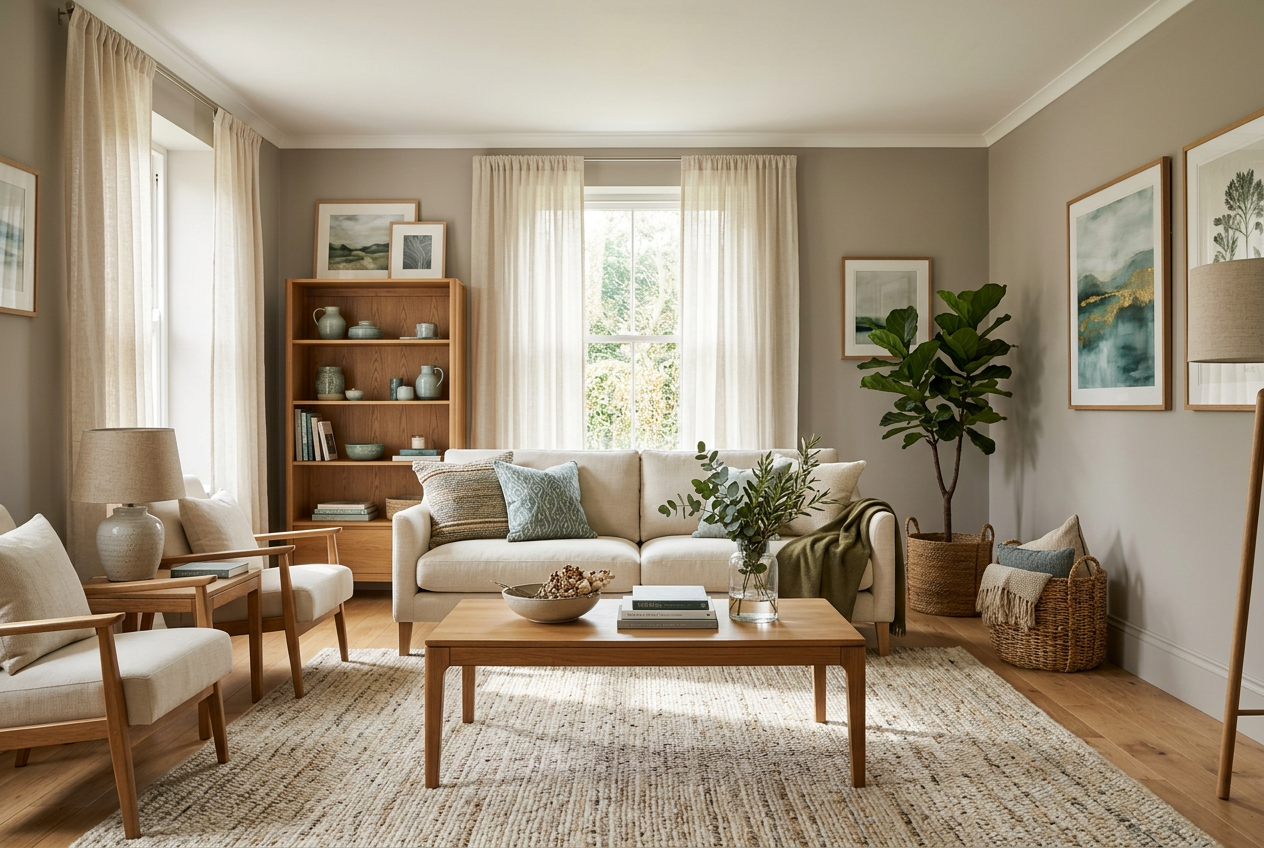
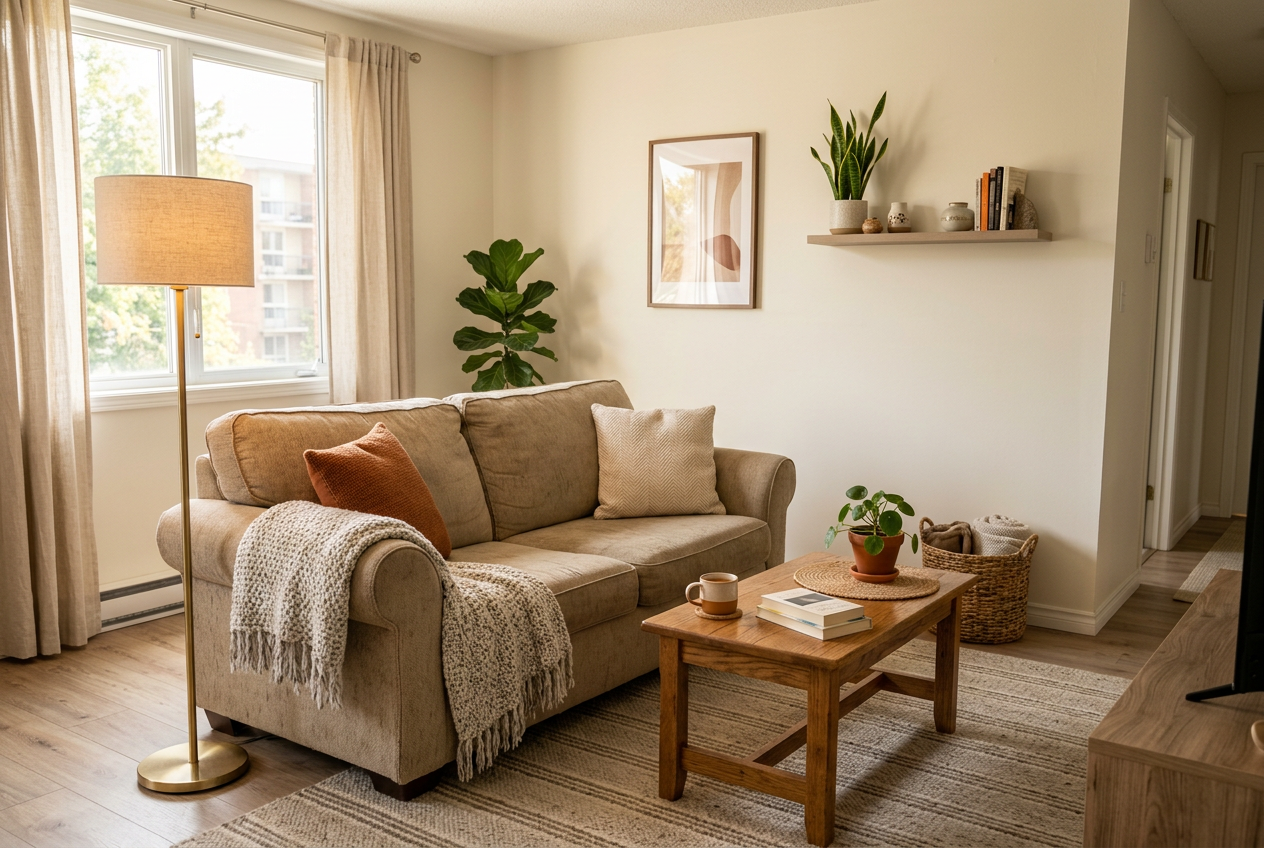
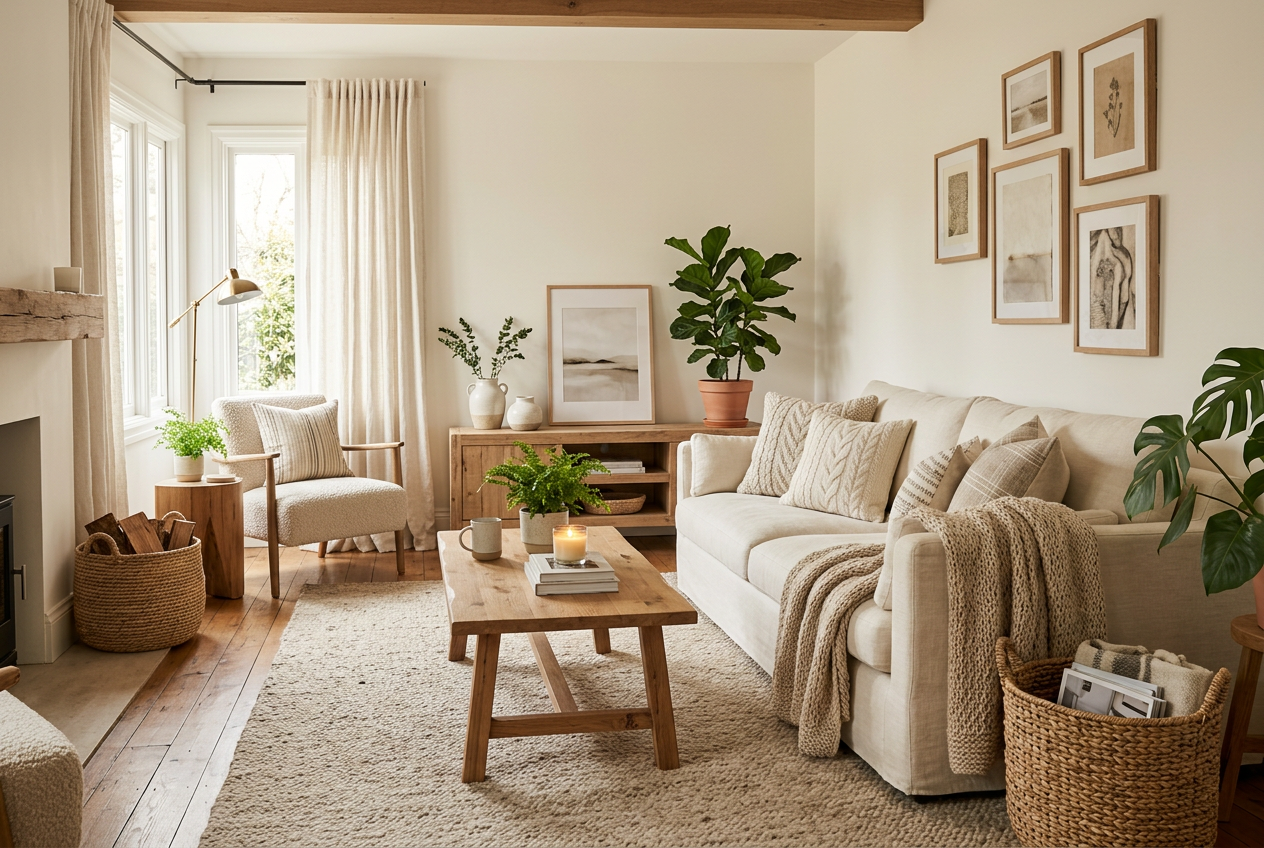
A coffee table is typically placed in front of a sofa or sectional. It gives us an easy place to set down drinks, books, remotes, candles, decorative objects, or snacks. It also helps anchor the seating arrangement and can make a living room feel more complete.
Tables provide a clear focal point for the seating area and help organize everyday living. They also offer a stable surface for lamps or decorations that tie the room together. This arrangement supports conversation and makes daily use easier.
In many homes, the coffee table becomes the visual center of the room. Its size and style influence how people move around the seating area and how surface textures unite decorative elements. A thoughtful choice can enhance comfort, balance, and cohesion throughout the living space.
End tables, sometimes called side tables, are positioned beside sofas and chairs. Their smaller size makes them perfect for items that need to be within arm’s reach, such as lamps, phones, books, or a morning cup of coffee. They are especially useful because they add function without taking up much floor space.
Then there is the dining table, one of the most social pieces of furniture in a home. Its primary purpose is eating, but it often becomes much more than that. The tables around it host homework, family conversations, holiday celebrations, game nights, crafts, and even remote work. It is often one of the places where memories are made.
A console table serves yet another purpose. Usually narrow and elongated, console tables work beautifully behind sofas, along entryway walls, or underneath artwork. They can provide storage and display space without requiring the footprint of a traditional table.
And let’s not forget bedside tables, baking or kitchen tables, nesting tables, accent tables, and sofa tables. Each one exists because our homes have different spaces and different needs.
In other words, tables aren’t simply decorative furniture. They are problem-solvers.
A Brief History of Tables in the Home
Tables have been part of human life for thousands of years. Ancient civilizations used simple raised surfaces for eating, writing, preparing food, and displaying objects. Early tables were often made from stone or wood and were considerably more basic than the furniture we know today.
During the Middle Ages, tables were generally functional and sturdy. Large wooden tables were common in dining halls and homes, and many were designed to be moved, expanded, or dismantled when necessary.
As furniture-making became more sophisticated, tables began to reflect wealth, craftsmanship, and personal style. During the Renaissance and later European periods, decorative tables became increasingly popular. Elaborate legs, carved details, exotic woods, and ornamental designs transformed tables from purely functional objects into expressions of status and artistry.
By the 18th and 19th centuries, specialized tables became increasingly common. Tea tables, writing tables, card tables, dressing tables, side tables, and dining tables were designed for specific activities.
The 20th century brought even more variety as manufacturing improved and interior design became more accessible to the average homeowner. Modern materials such as metal, glass, laminate, engineered wood, and acrylic expanded the possibilities.
Today, tables come in virtually every size, shape, material, and design imaginable. Yet their basic purpose remains the same: giving us a useful surface while helping define the way we live in our homes.

How Do You Find the Right Tables for Your Style?
Choosing a table shouldn’t begin with simply asking, “Do I like this?” A beautiful table can still look completely out of place if its size, shape, material, or design doesn’t work with the rest of your room.
Start by looking at your overall decorating style.
Do you love the warmth of farmhouse design? Look for natural wood, distressed finishes, chunky construction, and simple silhouettes.
Prefer modern decor? Consider tables with clean lines, geometric shapes, glass, metal, or smooth finishes.
Love traditional interiors? Look for classic wood finishes, turned legs, detailed craftsmanship, and timeless silhouettes.
If your style is more contemporary, consider tables with sculptural shapes, mixed materials, unusual bases, or sophisticated neutral finishes.
The key is to choose tables that complement the personality already present in your home rather than purchasing every table as an individual statement piece.
A Style Example: Modern Farmhouse
Let’s say your home has a modern farmhouse style.
For your living room, you might choose a rectangular coffee table made from warm natural wood with a simple black metal base. The wood adds the warmth associated with farmhouse design, while the streamlined metal introduces the cleaner look of modern decor.
Next to your sofa, you could add a smaller round end table. The change in shape keeps the room from becoming too predictable while still coordinating with the coffee table.
For the dining room, a large farmhouse-inspired wood table could become the centerpiece. Pair it with simple upholstered chairs or a combination of chairs and a bench. Rather than matching every piece perfectly, allow the materials and finishes to coordinate.
Finally, an entryway console with a natural wood top and black metal legs can connect the entire home.
Notice what happened? You didn’t purchase identical tables. Instead, you created visual relationships between them through repeated materials, colors, and finishes.
That is one of the secrets to creating a well-designed home.
Don’t Forget About Size and Proportion
Style isn’t the only consideration. Scale matters.
A massive coffee table can overwhelm a small living room, while a tiny table can look lost in front of a large sectional. Your dining table should provide enough room for the people who regularly use it without making the room difficult to navigate.
Before purchasing a table, measure the available space. Consider the height of nearby furniture, the walking paths around the piece, and how much surface area you actually need.
For coffee tables especially, think about the relationship between the table and your sofa. You want the table to feel connected to the seating rather than awkwardly separated from it.
The same principle applies throughout the home: the right table should feel as though it belongs in the space.
Tables Can Define a Room
One of the most interesting things about tables is that they can completely change the feeling of a room.
A thick reclaimed-wood table can make a space feel warm and rustic. A glass table can make a room feel lighter and more open. A marble table can introduce elegance and luxury. A black metal table can create a modern, industrial edge.
This makes tables an excellent way to experiment with your decorating style without completely redesigning a room.
If you’re unsure about adding a bold color or dramatic piece of furniture, a smaller accent table can be a great place to start.

The Final Thought
Tables may not always receive the attention that sofas, beds, or statement lighting receive, but they are some of the hardest-working pieces of furniture in our homes. They give us somewhere to eat, work, gather, decorate, relax, and connect with the people we love.
The beauty of tables is that there is no single “right” table for every home. The right choice depends on your space, your lifestyle, and your personal decorating style.
So the next time you look around your home and notice how many tables you have, remember that each one has a purpose. Some hold our coffee, some hold our favorite decorations, and some hold the memories created around them.
Your home doesn’t need more furniture just for the sake of filling a room. It needs pieces that make the space work for the life you’re actually living. And sometimes, the perfect table is the piece that brings everything together.


Leave a Reply