

A rug can completely change the look and feel of a room. It can make a space feel warmer, more inviting, pulled together, and even larger. But choosing the right rug is not always as simple as finding one you love. The wrong size can make furniture look disconnected, the wrong shape can make a room feel awkward, and the wrong color can compete with everything else in the space. RUG STYLE guides you toward balance and harmony.

So how do you know what rug will actually work in your home? The secret is to look beyond the rug itself and consider the room as a whole, guiding your RUG STYLE.
Start With the Size
One of the most common decorating mistakes is choosing a rug that is too small. A rug should generally help connect the furniture in a room rather than look like a small island floating in the middle of the floor.
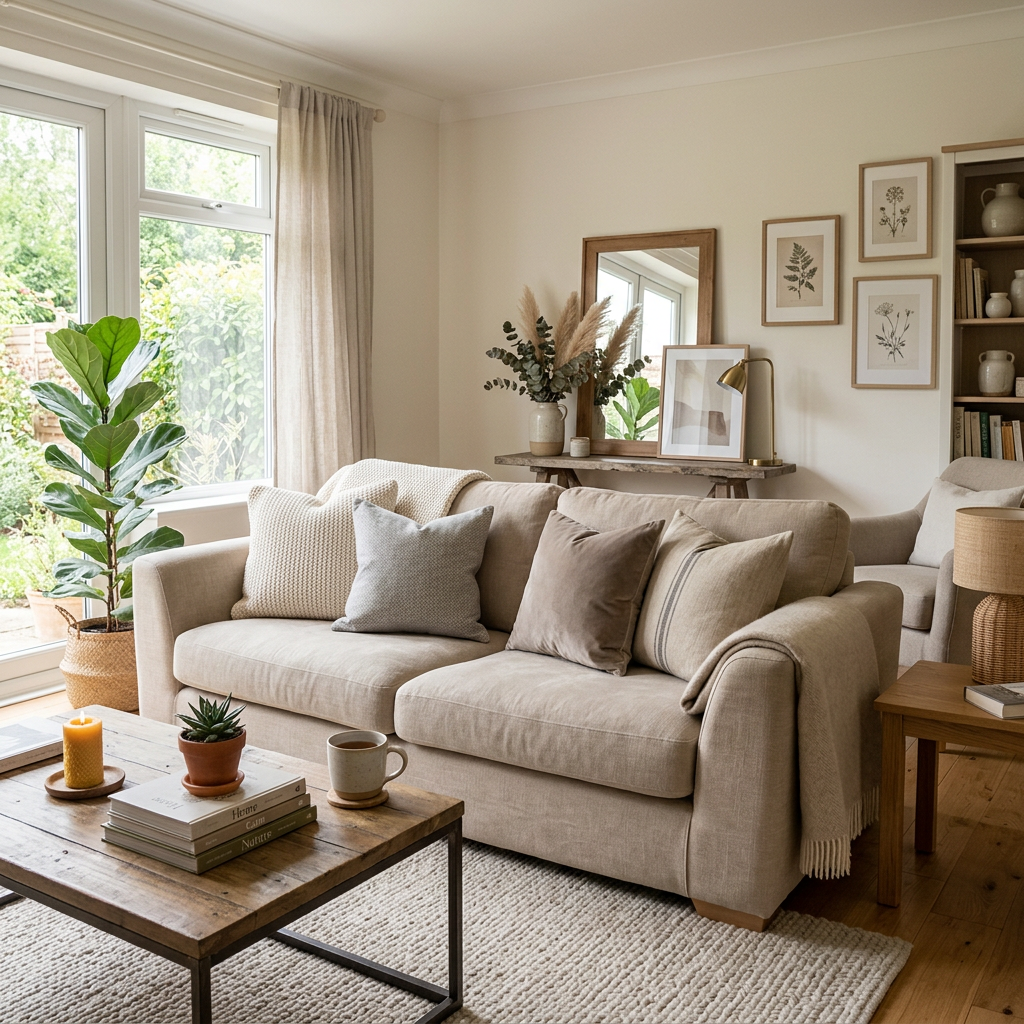
In a living room, an area rug should ideally be large enough for at least the front legs of your major seating pieces to sit on it. If your space allows, placing the entire sofa and chairs on the rug creates an even more cohesive look.
For a dining room, the rug should extend beyond the edges of the table far enough that chairs remain on the rug when they are pulled away from the table. A rug that is too small can cause dining chairs to catch on the edge every time someone sits down.
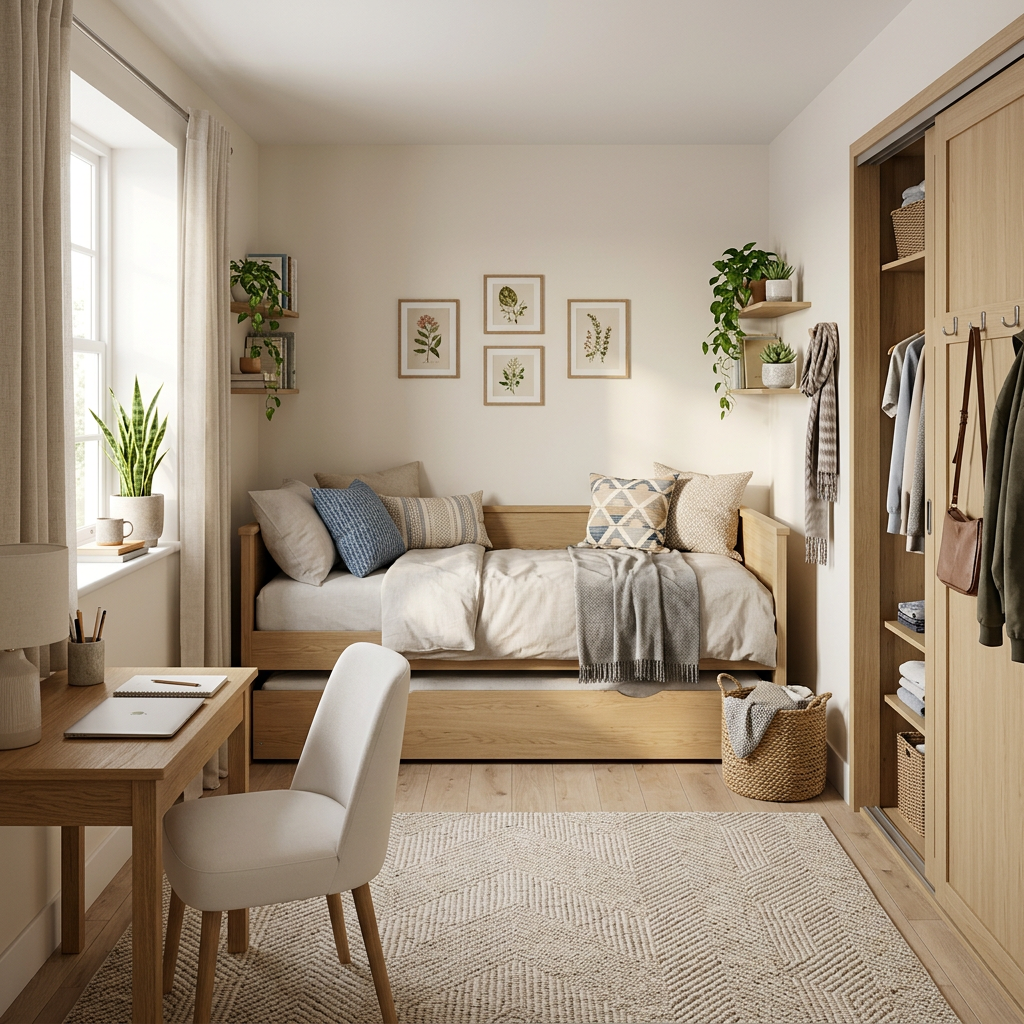
Bedrooms require a slightly different approach. A large rug positioned underneath the bed can create a soft landing area around the bed while visually anchoring the entire space. If a large rug isn’t practical, runners or smaller rugs placed along the sides of the bed can also work beautifully.
Before purchasing, measure your room and use painter’s tape to outline the approximate rug dimensions on the floor. This simple trick allows you to see how much floor the rug will cover before spending money.
Think About the Shape
Rectangular rugs are the classic choice because they work well in most rooms. However, don’t assume every room needs a rectangle.
A round rug can soften a room filled with straight lines and rectangular furniture. It can work particularly well underneath a round dining table, in a small sitting area, or beneath a statement light fixture.
Runner rugs are perfect for hallways, kitchens, entryways, and narrow spaces. They can add color and texture without overwhelming the room.
You can also use an irregularly shaped rug when you want something more artistic and unexpected. These rugs can become a focal point, especially in contemporary, eclectic, or bohemian interiors.
A good rule is to consider the architecture and furniture already in the room. If everything feels very angular, a curved or round rug may add balance. If the room already contains many curves, a structured rectangular rug may provide contrast.
Choosing the Right Color
Color is where choosing a rug becomes personal. Your rug can blend quietly into the room or become the statement piece that everything else revolves around.
If your furniture, walls, and artwork already have strong colors or patterns, a neutral rug can provide visual breathing room. Shades of ivory, beige, taupe, gray, and natural brown can create a calm foundation without making the room feel boring.
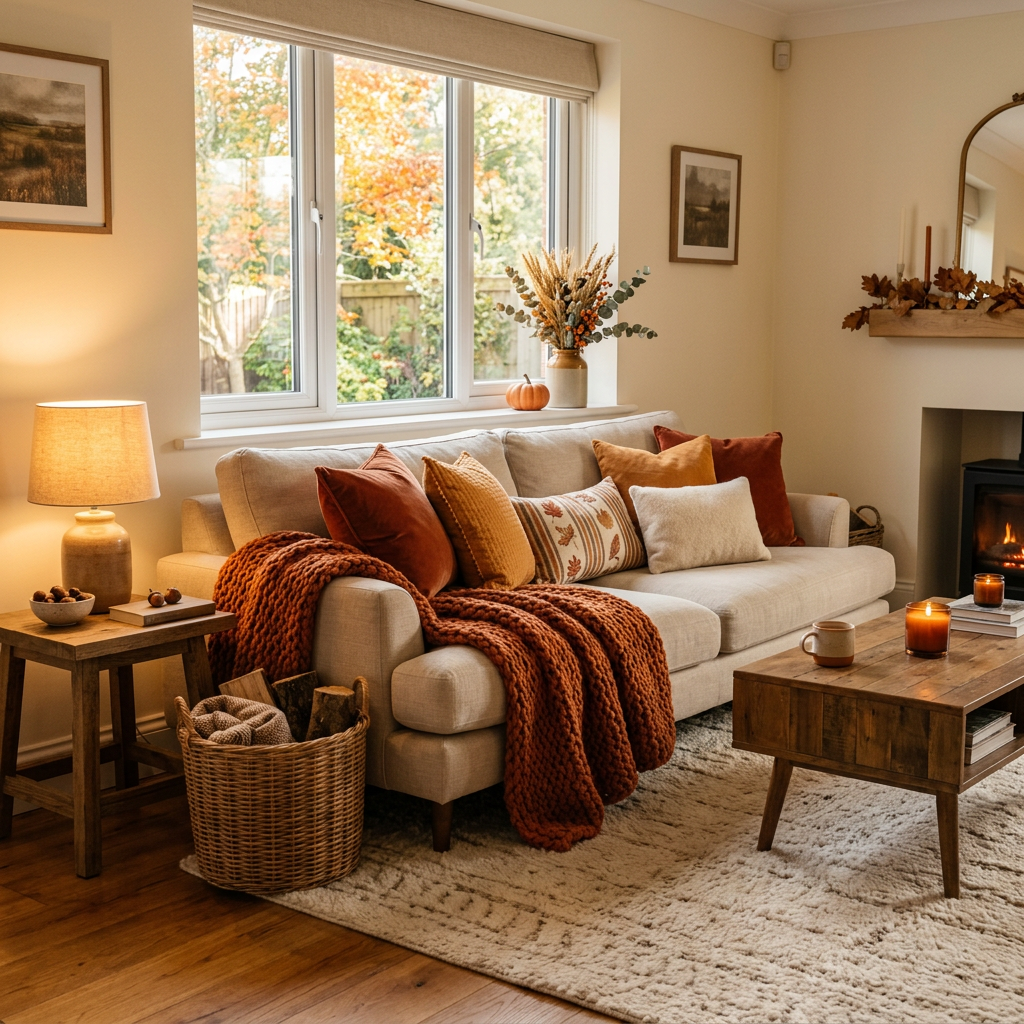
If your room is mostly neutral, however, a colorful rug can instantly add personality. Deep blues, earthy greens, warm terracotta, burgundy, muted pinks, or even dramatic black can transform an otherwise simple space.
Don’t forget to consider your lifestyle. A beautiful white rug may look stunning, but it may not be the most practical choice for a busy household. Patterned rugs can be especially useful because they tend to disguise everyday dust, crumbs, and minor stains better than solid colors.

Match the Rug to Your Decorating Style
Your rug should feel like it belongs in the room.
For a modern farmhouse space, consider natural textures, muted neutrals, vintage-inspired patterns, and warm beige or charcoal tones. A distressed patterned rug can add character without taking away from the simplicity of the design.
For a modern home, geometric patterns, solid colors, subtle textures, and clean lines can complement the furniture beautifully.
For a bohemian room, don’t be afraid of color, layered patterns, vintage-inspired designs, and textured materials.
For a traditional home, Persian-inspired patterns, classic borders, and deeper colors can add timeless elegance.
And for a minimalist space, a simple neutral rug with subtle texture may be all you need.
The goal isn’t necessarily to match every piece in the room. Instead, look for colors and patterns that complement what you already have.
Consider the Furniture First
One of the easiest ways to choose a rug is to start with your largest furniture pieces.
Ask yourself: What am I trying to visually connect?
In a living room, that might be the sofa, chairs, coffee table, and side tables. In a bedroom, it may be the bed, nightstands, and dresser. In a dining room, the table and chairs are the primary focus.
Once you know which pieces you want the rug to connect, determining the appropriate size becomes much easier.
Your rug should feel intentional rather than accidental. When furniture looks like it is floating around a tiny rug, the room can feel disconnected. When the rug appropriately anchors the furniture, the entire space tends to look more finished.
Don’t Forget the Rug’s Texture
Color and size aren’t the only considerations. Texture can have just as much impact.
A thick, plush rug can make a bedroom or living room feel cozy and luxurious. A flatweave rug can create a more casual and practical look. Natural fibers can bring warmth and an organic feeling into a space, while highly textured rugs can add dimension to rooms that rely heavily on neutral colors.
Think about how you want the room to feel when you walk into it. Soft and cozy? Clean and sophisticated? Relaxed and natural? Your rug can help establish that feeling.
How to Know When You’ve Found the Right Rug
Before purchasing, take a final look at the entire room.
Does the size properly anchor your furniture? Does the shape complement the room? Does the color work with your existing walls, furniture, artwork, and accessories? Does the pattern add interest without overwhelming the space? And most importantly, does it fit the way you actually live?
A rug doesn’t have to match everything in your room. In fact, the most interesting rooms often combine complementary colors, textures, and patterns instead of making everything identical.

Final Thought
The right rug is more than something you put on the floor. It can define a seating area, add warmth, introduce color, soften hard surfaces, and bring an entire room together.
When choosing a rug, remember size, shape, color, texture, and lifestyle. Measure before you shop, consider the furniture you’re trying to anchor, and don’t be afraid to choose a rug that adds personality.
Sometimes the perfect rug isn’t the one that matches your room the most. It’s the one that makes your room feel the most like home.

Deja un comentario